Basilica Cistern Skip-the-Line Tickets (Skip-the-Line Tickets to Basilica Cistern with Guided Tour)
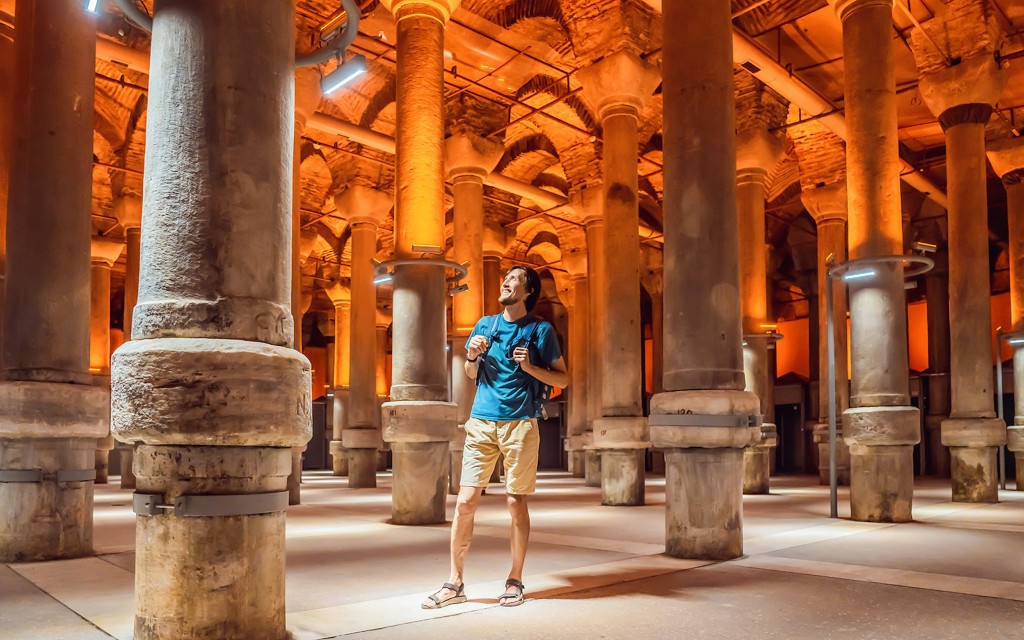
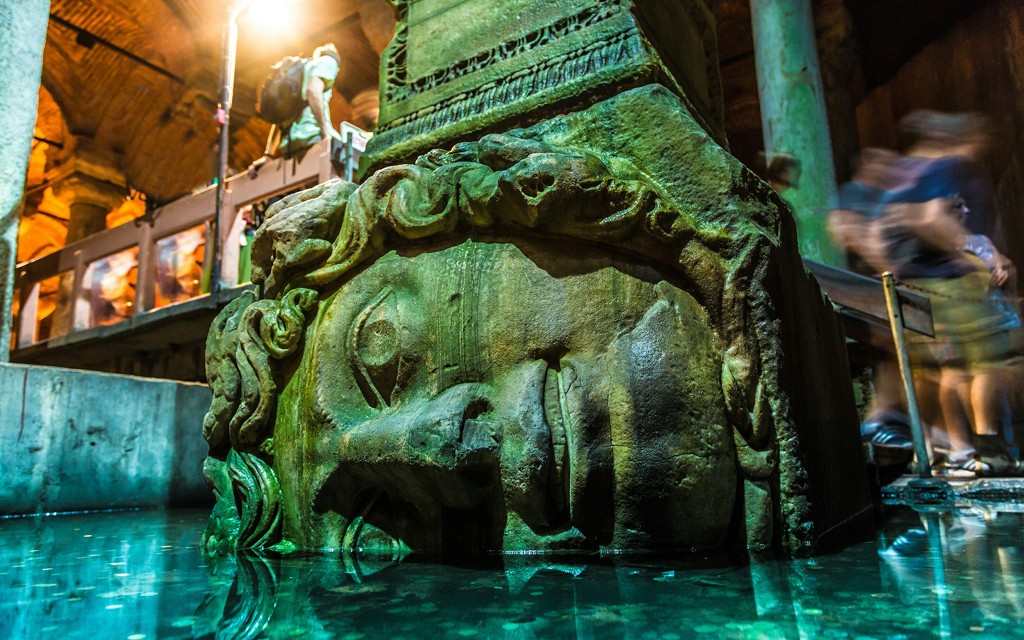
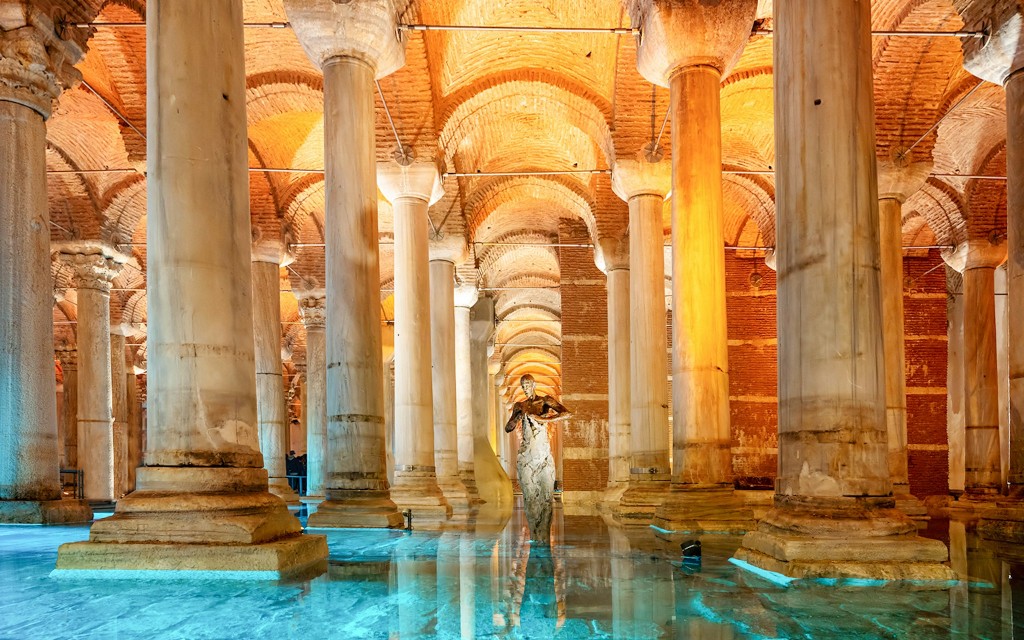
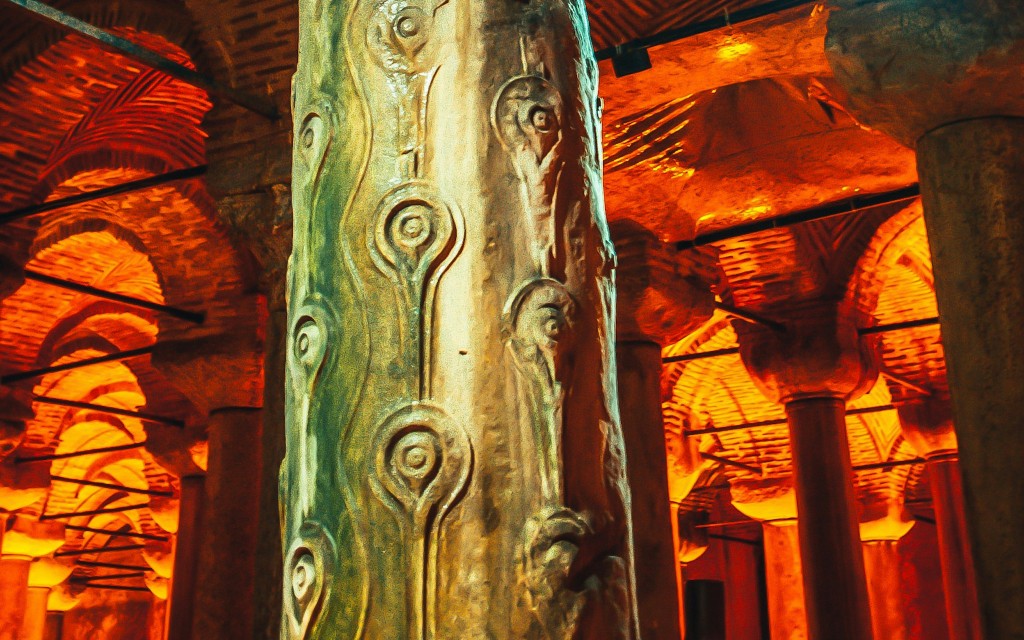


Capture stunning images of Byzantine columns, mysterious Medusa sculptures, and atmospheric water reflections inside this historic underground cistern. The dim lighting and unique architecture provide perfect photo opportunities.
The Basilica Cistern in Istanbul is a breathtaking underground water reservoir dating back to the Byzantine Empire. This marvel of engineering features an intricate forest of columns and mysterious atmospheric lighting, creating a magical setting beneath the city. Visiting this historic site offers a unique glimpse into Constantinople's ancient water supply system and architectural ingenuity. Exploring the cistern is an immersive experience that transports visitors back in time. Strolling through its dimly lit corridors surrounded by centuries-old stone pillars and listening to the gentle drip of water creates a truly atmospheric journey. It’s a must-see for history enthusiasts and anyone seeking a memorable, visually stunning adventure underground.
Smart casual attire is recommended. Wear comfortable walking shoes suitable for uneven floors. Cover shoulders and knees if visiting during religious festivals or ceremonies.
Your experience
Skip the lines and explore the Basilica Cistern with expert-led tours or audio guides.
Getting started
Arrive 10 to 15 minutes before your scheduled time and keep your mobile ticket and a valid photo ID ready. A staff member will meet you at the entrance and help you check in. You’ll breeze past the ticket queue, but do note that all visitors must go through a security check.
Basilica Cistern
The Basilica Cistern is one of Istanbul’s most atmospheric spots—a vast, ancient underground reservoir built in the 6th century. It’s best known for its forest of marble columns, the serene reflections in the water, and, of course, the mysterious Medusa heads hidden at the far end.
Depending on the ticket you choose, an expert guide will accompany you through the cistern. You’ll get the backstory behind the Medusa heads, learn how this shadowy space once supplied water to emperors, and hear quirky details you’d probably miss on your own.
Prefer to explore at your own pace? You can use the included audio app, available in five languages, to guide you through the cistern. If you want to see more of Istanbul, upgrade your ticket to include a guided tour of Hagia Sophia, an architectural masterpiece known for its massive dome and golden mosaics.
What's Included
Know Before You Go
Know before you go
What to bring
-
Wear comfortable shoes with a good grip—the stone floor can be damp and slightly slippery.
-
Bring a light jacket or shawl; it stays cool underground even in warm weather.
-
Carry wired headphones if you plan to use an audio guide app—Bluetooth often struggles underground.
-
Have your phone fully charged for photos and the audio guide (there are no charging stations inside).
What's not allowed
-
Flash photography is not permitted.
-
Tripods and selfie sticks are not allowed due to space and safety concerns.
-
Eating, drinking, and smoking are strictly prohibited inside the cistern.
Accessibility
-
The site is partially accessible; there is a lift near the exit on Alemdar Street near the tram line, but the walking path inside may be uneven in places.
-
Wheelchair users may need assistance, especially around corners or where the lighting is low.
-
There are no elevators inside the cistern, and seating is extremely limited.
Additional information
-
Your ticket allows you to skip the ticket queue, but all visitors must go through a security check.
-
Arrive early in the morning or visit in the evening to avoid crowds from cruise ship tours.
-
Don’t miss the Medusa heads tucked into the far corner. Walk around them to see both angles.
-
The exit leads out to a different street than the entrance; take note of your location before entering.
-
The lighting is intentionally dim—give your eyes a moment to adjust for better visibility and photos
Instructions
What to Expect
About Basilica Cistern Tickets, Tours & Visitor Information
The Basilica Cistern is one of the most remarkable surviving structures from the Byzantine era in Istanbul. Built in the 6th century during the reign of Emperor Justinian I, it served as a large subterranean water storage system that supplied water to the Great Palace and other parts of the city. Covering approximately 9,800 square meters, the cistern consists of a vast hall supported by hundreds of marble columns, many of which are reused spolia with intricate carvings. The cistern features atmospheric lighting and narrow walkways that allow visitors to explore the cool, shaded environment comfortably. Its highlight is the two Medusa head sculptures used as bases for two columns—an example of ancient and medieval craft and mystique. Its grandeur and mysterious ambiance make it a popular attraction, blending history, architecture, and mythology into one captivating experience. The cistern often hosts guided tours and multimedia exhibits that provide deeper insights into its history and significance.
Highlights
Why Book Online?
Booking your tickets online guarantees skip-the-line entry, saving you time and ensuring a smooth visit. You'll enjoy guaranteed access, better planning, and can compare different tours and packages for the best value. Planning ahead allows you to make the most of your visit without unnecessary delays.
History
Constructed in the 6th century during Emperor Justinian I's reign, the Basilica Cistern served as a crucial water reservoir for Constantinople. It was built to store and supply water to the imperial palace complex and surrounding areas. Its impressive architecture features 336 marble columns arranged in 12 rows, supporting vaulted ceilings that help create the enclosed underground space. The crust of history has preserved the cistern through centuries of change, including periods of disuse and neglect, until its rediscovery and restoration in the modern era. Throughout history, the cistern has been a site of both practical necessity and mythic intrigue. Its hidden depths and ancient carvings evoke stories of Byzantine power and engineering brilliance. Today, it stands as a testament to Byzantine ingenuity and a favorite cultural and historical landmark for visitors exploring Istanbul’s rich past.
Opening Hours
The Basilica Cistern generally operates from morning until evening, with opening hours from around 9:00 AM to 5:30 PM. It is closed on certain holidays. It is advised to check specific hours and seasonal variations beforehand.
Best Time to Visit
Visit during early morning or late afternoon, especially in spring or fall, to avoid crowds, enjoy comfortable weather, and capture great photos.
What to See Inside
Inside the Basilica Cistern, you’ll step into a submerged world of history and architecture. The vast chamber is supported by hundreds of columns, some of which are beautifully carved and famously include the Medusa heads. Walk along the raised walkways that traverse the water-filled space and explore the atmospheric lighting and reflective surfaces. The cistern’s vaulted ceilings and mysterious ambiance create a surreal experience. Informative displays and guides help interpret the site’s history and architecture, enhancing your understanding of Byzantine engineering and urban water management. This underground marvel offers a unique sensory experience, combining history, architecture, and atmospheric storytelling.
Things to Know
Wear comfortable shoes suitable for walking on uneven surfaces. Cameras and phones are allowed, but lights may be dim inside. The cistern is cool year-round, so bring a light jacket or sweater. Be mindful of moisture and low lighting, and follow any posted guidelines during your visit.
Visitor Rules
Keep noise levels to a minimum to preserve the atmosphere. Do not touch the columns or sculptures. No eating, drinking, or smoking inside. Flash photography is usually permitted but avoid using bright lights that disturb others. Respect the historic site and other visitors.
Is It Worth Visiting?
The Basilica Cistern offers a mesmerizing journey into Istanbul’s Byzantine past, showcasing extraordinary architecture and mystical ambiance. Its unique underground setting makes it an unforgettable stop for history buffs, photographers, and culture enthusiasts alike. Exploring this ancient water reservoir provides a rare opportunity to connect with the city’s deep historical roots and engineering marvels.
Frequently Asked Questions
Most visitors spend around 30 to 45 minutes exploring the cistern, depending on the time spent taking photos and reading exhibits.
The cistern has uneven surfaces and narrow walkways, which may be challenging for those with mobility difficulties. Accessibility options are limited.
Yes, photography is generally allowed, but avoid using bright flashlights or causing disturbances to other visitors.
Yes, various guided tours are offered that provide detailed insights into the history and architecture of the cistern.
Yes, entry requires purchasing a ticket, which can be booked online in advance for convenience and guaranteed entry.
Spring and autumn offer the most comfortable weather, while early mornings and late afternoons help avoid crowds.
Yes, it is located near other major attractions like Hagia Sophia, Topkapi Palace, and the Blue Mosque, perfect for a historical tour of the area.
How to Get There
The cistern is accessible via walk from Sultanahmet Square or by public transportation such as tram lines 1 and 2. It is within walking distance from major historic sites and easily reachable by foot or taxi.
Reviews (34)
Getting in was quick with the skip-the-line ticket. The audio guide was helpful to learn about the history as we walked around.
The skip-the-line ticket was definitely worth it as the queue was quite long. The audio guide was informative and easy to follow.
Skipping the line was definitely worth it. The audio guide's sound wasn't consistently clear throughout the cistern.
The Basilica Cistern was quite crowded, but the audio guide helped us manage our time well within the site. We felt that the pacing of the audio tour allowed for a relaxed exploration.
Although quite busy, the skip-the-line entry was efficient. At times, the audio guide's volume needed adjusting to hear it clearly over the crowd noise.
Even with the ticket, it was very crowded inside, making it hard to fully appreciate the space. Still, the audio guide provided some useful background.
Smart casual attire is recommended. Wear comfortable walking shoes suitable for uneven floors. Cover shoulders and knees if visiting during religious festivals or ceremonies.