Tokyo: Asakusa Guided Rickshaw Sightseeing Tour
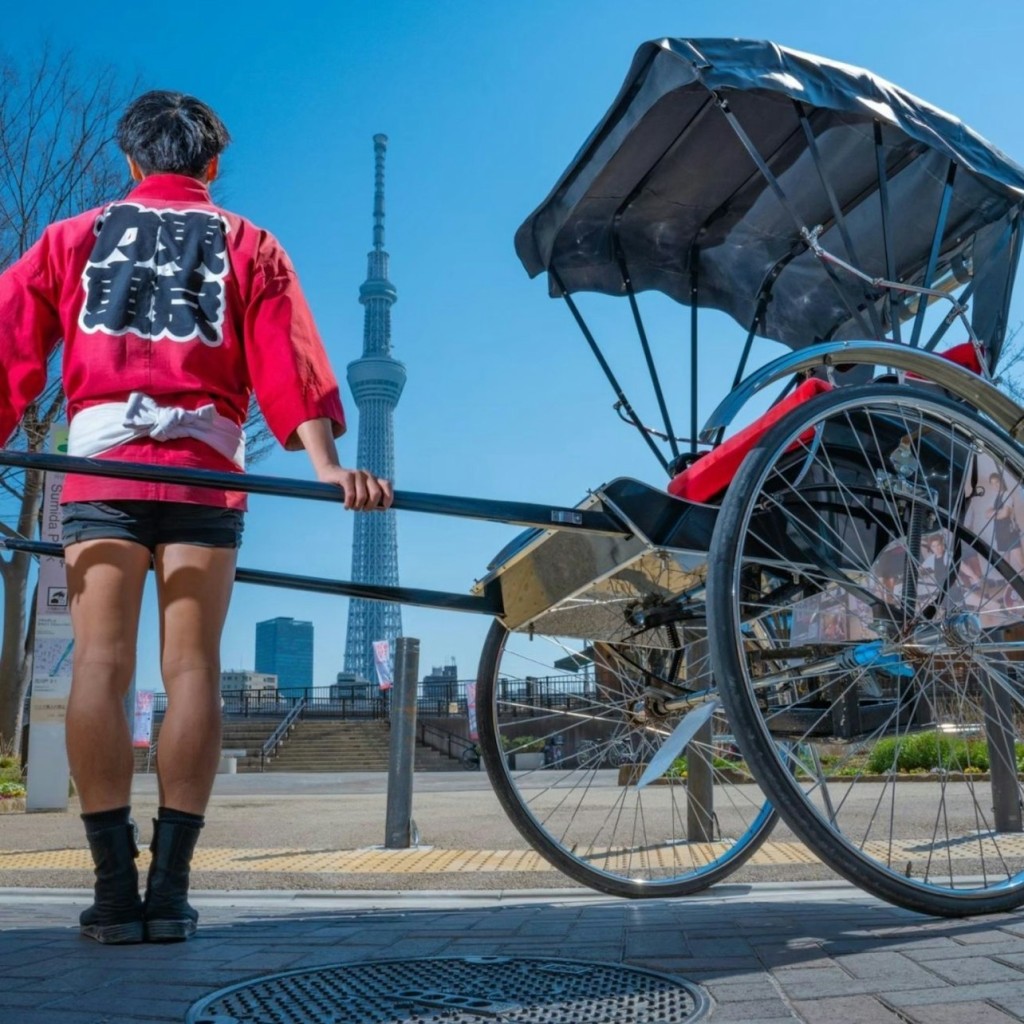
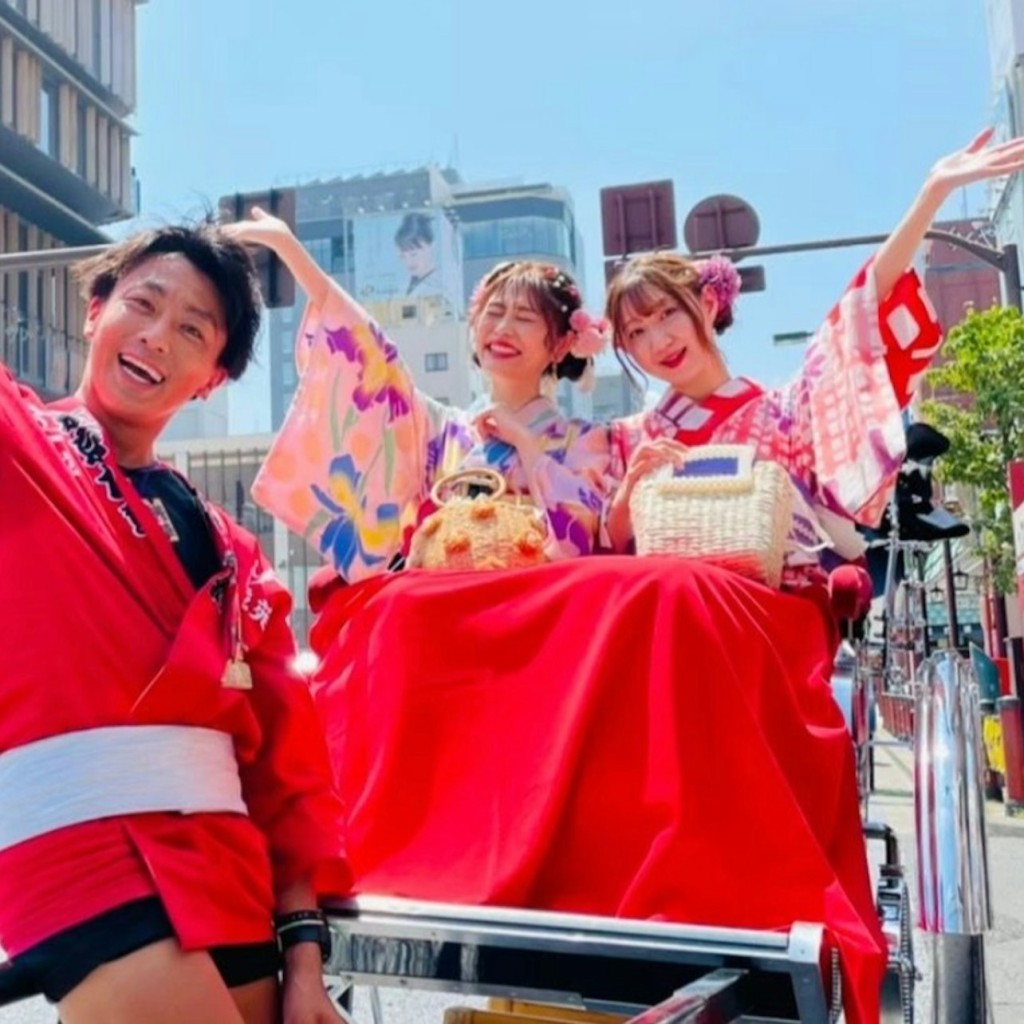
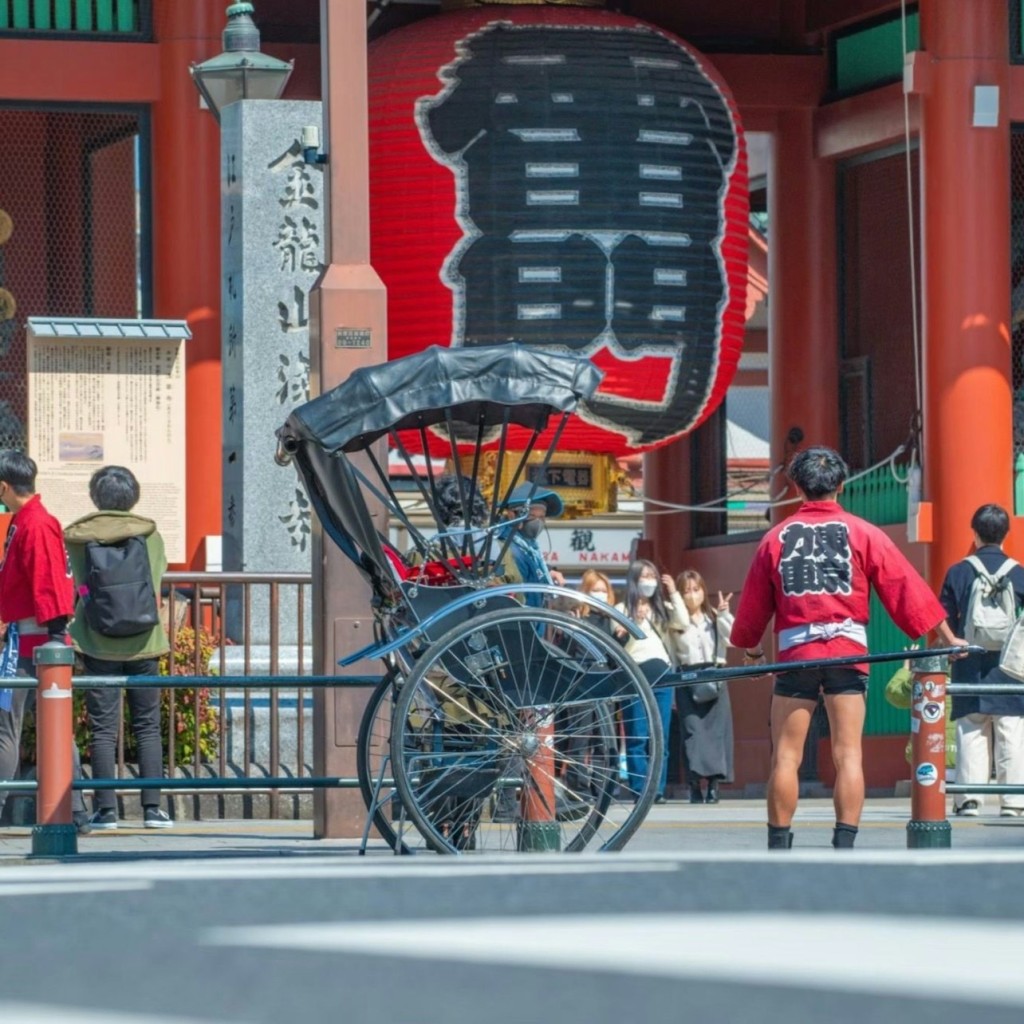
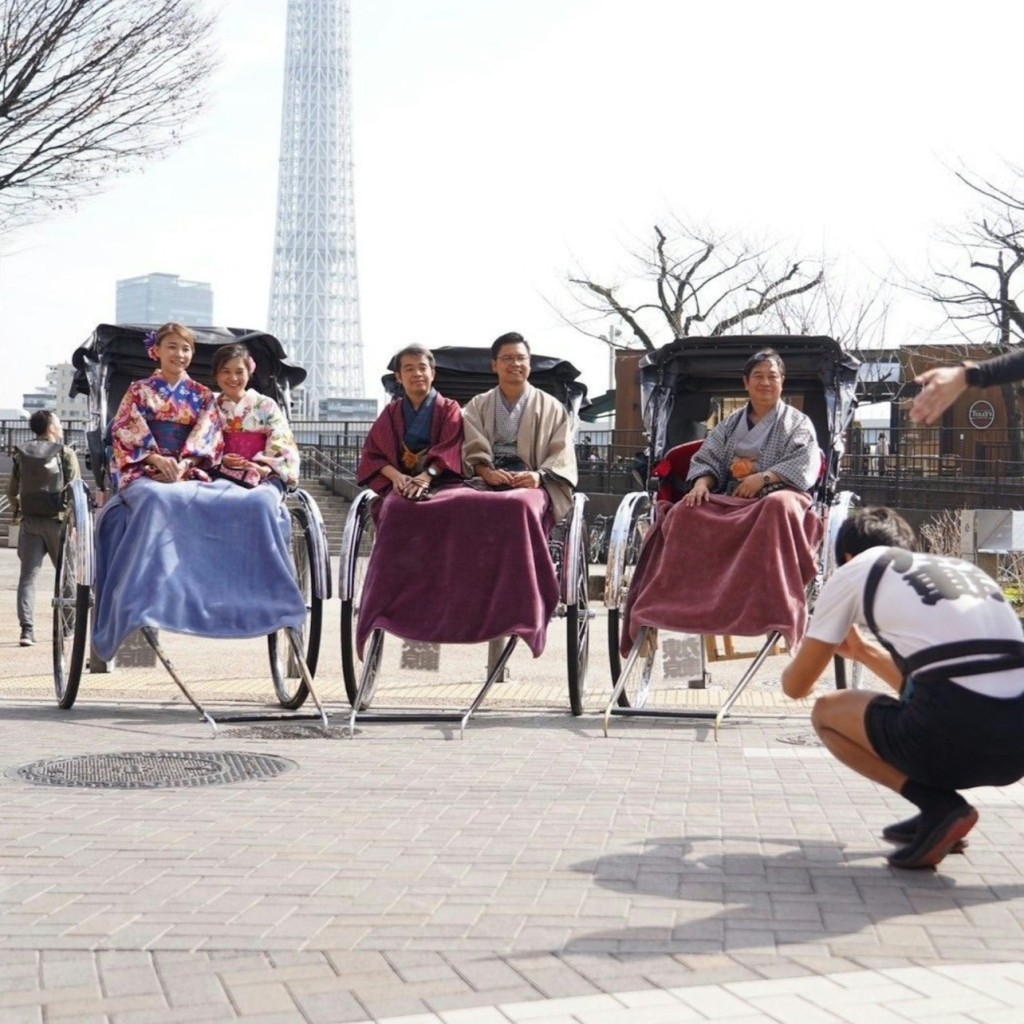


Capture the vibrant colors and historic charm of Senso-ji’s iconic gates, bustling shopping streets, and tranquil temple interiors to remember your experience.
Senso-ji Temple, Tokyo's oldest and most revered Buddhist temple, offers visitors a profound cultural and spiritual experience. Located in the heart of Asakusa, it attracts millions of travelers seeking spiritual solace and traditional Japanese architecture. Exploring its grounds provides insights into Japan’s rich history, religion, and craftsmanship. Imagine walking through vibrant streets leading to the majestic main hall, surrounded by historic charm and bustling stalls. The atmosphere is filled with the aroma of incense, the allure of traditional souvenirs, and the serenity of ancient rituals. Visiting Senso-ji is not just about sightseeing; it’s an immersive journey into Japan’s timeless traditions and lively modern culture.
Wear modest clothing covering shoulders and knees, especially if participating in prayer or rituals. Comfortable shoes are recommended for walking around the expansive grounds.
What's Included
What to Expect
About Senso-ji Temple Tickets, Tours & Visitor Information
Senso-ji Temple, officially known as Asakusa Kannon Temple, is a historic Buddhist site that dates back to the year 628 AD. It was established as a place of worship dedicated to Kannon, the goddess of mercy. The temple's iconic Kaminarimon Gate, with its massive red lantern, welcomes visitors and stands as a symbol of Tokyo’s heritage. The temple complex includes the main hall, dedicated to Kannon, and a five-story pagoda, along with charming shopping streets like Nakamise-dori, filled with traditional snacks and souvenirs. The temple’s architecture showcases classic Edo-period design, blending spiritual significance with historical artistry. Visitors can witness incense-burning rituals believed to purify the mind and body, and partake in various cultural events held throughout the year. Unique to Senso-ji is its vibrant atmosphere, combining spiritual tranquility with bustling street life. The temple not only serves as a religious center but also as a cultural hub hosting festivals like Sanja Matsuri, attracting locals and travelers alike. Its accessibility and comprehensive layout make it an unforgettable experience for all visitors interested in Japanese tradition and history.
Highlights
Why Book Online?
Booking your Senso-ji Temple tickets and tours online guarantees quick, skip-the-line access, ensuring a smooth visit. Secure your spot in advance, plan your day with confidence, and compare various tour options to maximize your experience. Instant confirmation makes your trip hassle-free and more enjoyable.
History
Senso-ji was founded in 628 AD after two fishermen found a statue of Kannon in the Sumida River, which led to the establishment of this now iconic temple. Over centuries, it has witnessed fires, wars, and reconstructions, maintaining its status as a spiritual center and a symbol of Tokyo’s resilience. Throughout its history, Senso-ji has played a vital role in Japanese religious life and culture. Its annual festivals, especially Sanja Matsuri, attract thousands of visitors, showcasing traditional music, dance, and processions. The temple’s architecture and artifacts have been preserved and restored numerous times, blending ancient craftsmanship with modern conservation efforts. As a testament to Japan’s enduring spiritual heritage, Senso-ji remains a must-visit landmark for travelers exploring the city’s historical and cultural landscape.
Opening Hours
Senso-ji is usually open from sunrise to sunset. The main hall and surrounding areas are accessible during these times. Special events or ceremonies may have different schedules, especially during festivals or holidays.
Best Time to Visit
Early mornings or late afternoons are ideal to avoid crowds. Visiting during cultural festivals adds a unique and lively dimension to your experience.
What to See Inside
Inside Senso-ji, you'll encounter the majestic main hall, where visitors can observe prayer rituals and offer incense. Nearby, the five-story pagoda provides stunning photo opportunities and insight into traditional architecture. The Nakamise-dori street is lined with shops selling souvenirs, snacks, and traditional crafts. Visitors can also explore smaller shrines, meditation areas, and cultural exhibits that deepen the spiritual and historical significance of the temple. Special events and ceremonies are held throughout the year, offering a rich cultural experience beyond sightseeing.
Things to Know
Arrive early to experience a quieter visit. Respect local customs, including proper attire and behavior. Photography is generally permitted, but be mindful during prayer rituals. Carry cash for small purchases and donations. The area can be crowded during festivals, so plan accordingly.
Visitor Rules
Maintain respectful silence during prayer times. Do not climb on sacred structures. Follow the designated pathways. Dispose of trash responsibly. Respect local customs and traditions.
Is It Worth Visiting?
Senso-ji offers a profound cultural experience, blending Japan’s spiritual traditions with lively street markets and historical architecture. Its vibrant atmosphere and tranquil spots make it a must-visit destination that enriches any trip to Tokyo.
Frequently Asked Questions
Early morning or late afternoon to avoid crowds; during festivals or cherry blossom season for unique experiences.
No, entry to the temple grounds and main halls is free.
Around 1.5 to 2 hours to explore the main sights and participate in rituals.
Yes, a variety of guided tours are available for a deeper historical and cultural understanding.
Photography is generally allowed in open areas; however, respect restrictions during prayer times.
Yes, the grounds are accessible, with ramps and facilities to accommodate visitors with mobility needs.
Yes, numerous shops sell traditional crafts, snacks, and souvenirs perfect for keepsakes.
How to Get There
Take Tokyo Metro Ginza Line to Asakusa Station, then walk for approximately 5 minutes. The temple is also accessible via buses and is a short walk from several other transport options in central Tokyo.
Wear modest clothing covering shoulders and knees, especially if participating in prayer or rituals. Comfortable shoes are recommended for walking around the expansive grounds.