Split: Diocletian's Palace and Old Town Guided Tour (Regular Group Split Walking Tour)
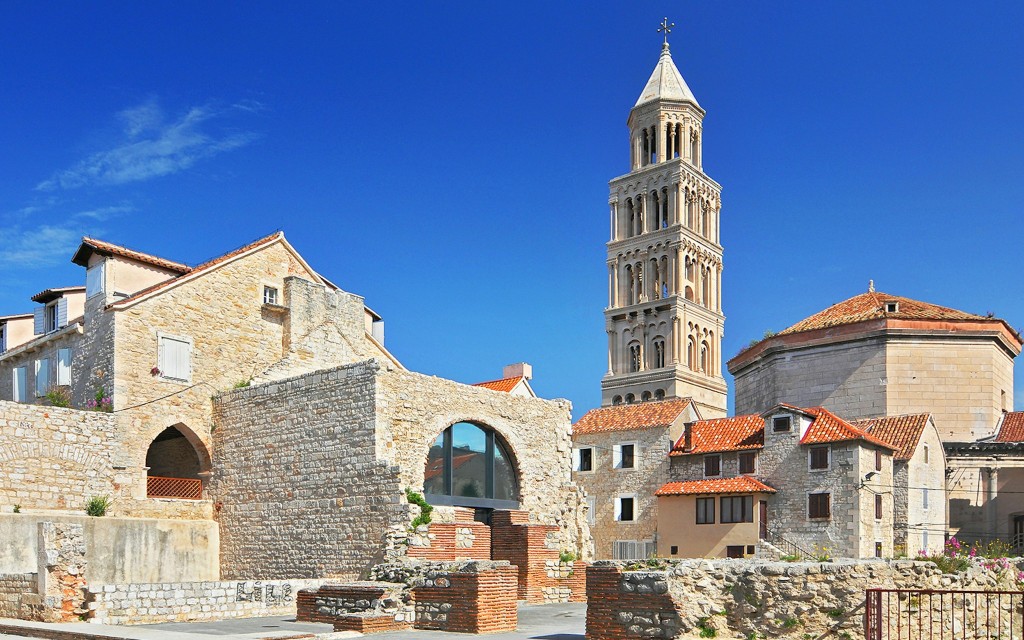
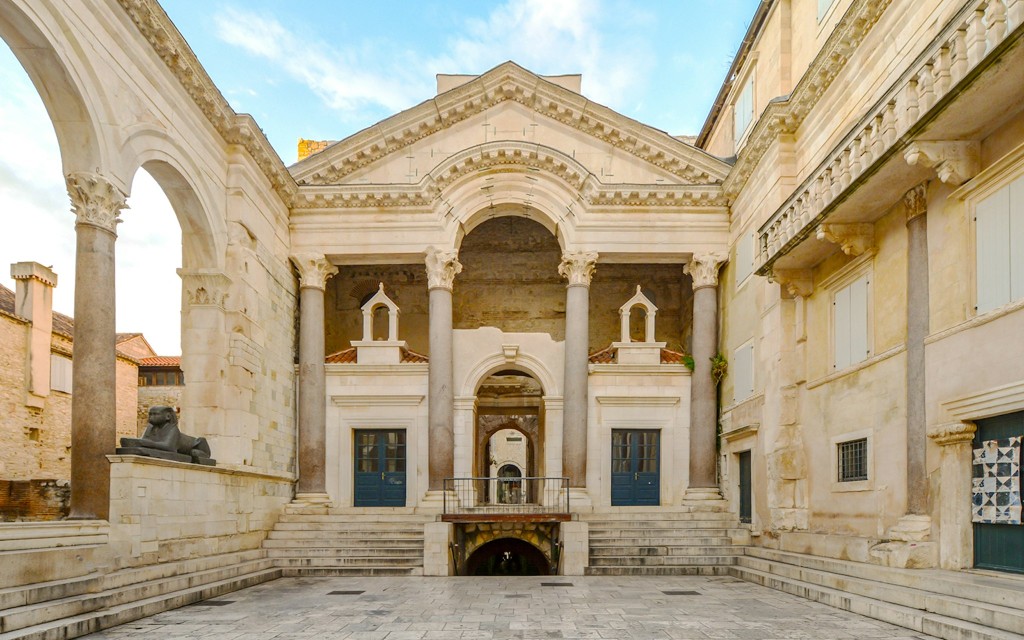
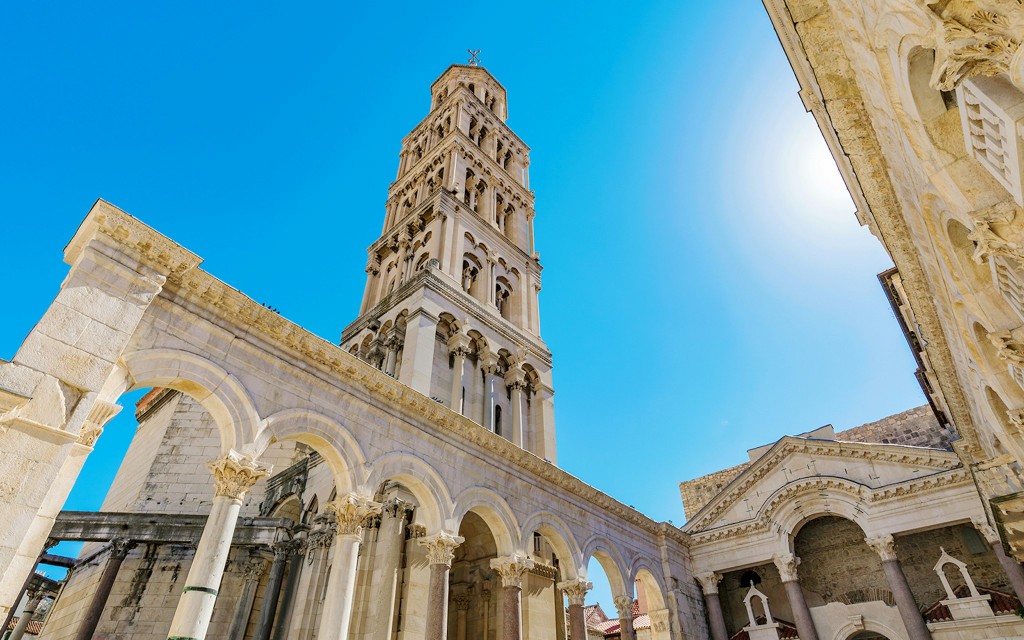
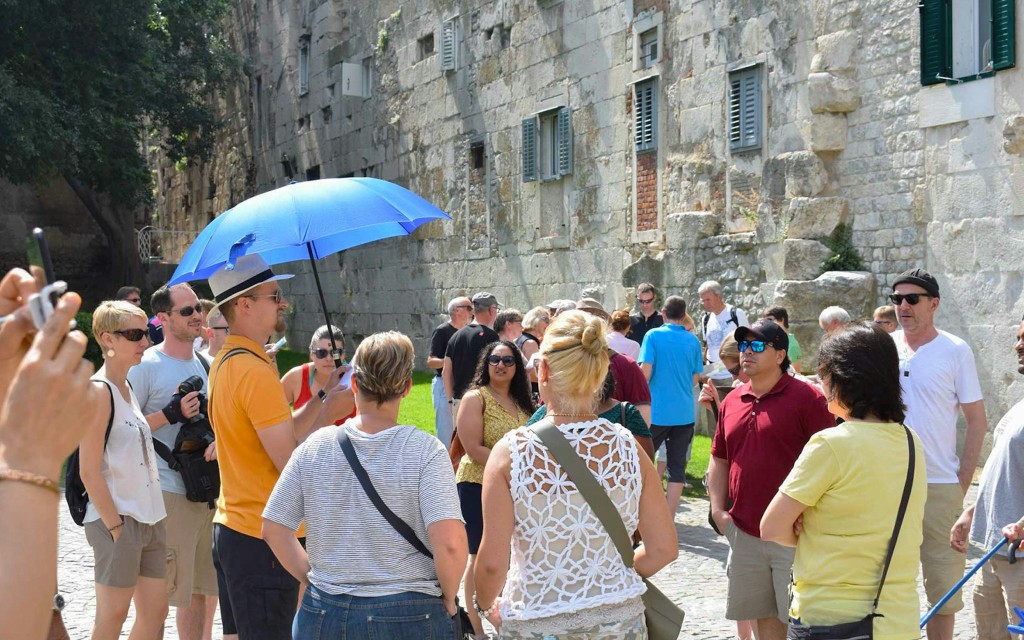


Capture the stunning architecture, vibrant street scenes, and panoramic views that make Diocletian’s Palace a photographer’s paradise.
Diocletian’s Palace, a UNESCO World Heritage site in Split, Croatia, is a captivating blend of ancient architecture and vibrant modern life. This grand Roman ruin draws visitors from around the world eager to explore its historic tunnels, majestic halls, and charming courtyards. Visiting offers an immersive journey into ancient history and stunning Adriatic scenery. Step inside this sprawling palace complex and experience a living monument where history feels tangible. Walk through ancient stone walls, explore bustling markets, and enjoy breathtaking views of the sea. Whether you're a history enthusiast or a casual traveler, Diocletian’s Palace provides an unforgettable experience of cultural richness and architectural marvels.
Dress comfortably with respect to the historic site. Light clothing and sturdy shoes are recommended. Modest attire is advised for entering religious areas within the complex.
Your Experience
Explore Split on a walking tour
Dust off your walking shoes and delve into 1,700 years of Split's captivating story. Your expert English-speaking guide will whisk you through the UNESCO-protected heart of the city, the Diocletian's Palace complex. But that's just the first chapter! You'll then weave your way through time, exploring captivating sights like the City Clock, the Riva waterfront promenade, and bustling People's Square.
See a new perspective
Walk to the remarkable Cathedral of St. Duje (Saint Dominus), said to be the oldest Catholic cathedral in the world to still be in use in its original structure. Find out more about Gregory of Nin by his statue in Giardini Park, and head over to the Riva promenade to take in views of Marjan Hill and the Adriatic Sea. This isn't just a tour, it's a chance to see Split through the eyes of a local and discover hidden gems you might otherwise miss.
Itinerary
-
Starting point: Golden Gate, Split
-
Game of Thrones Museum
-
People's Square
-
Fruit Square
-
Riva
-
Diocletian's Cellars
-
Peristil
-
Cathedral of Saint Domnius
-
Vestibul
-
Ending point: Golden Gate
What's Included
Know Before You Go
What to bring
-
Bring along your walking shoes, water, and sunscreen for comfortable exploration.
-
Bring local currency or your preferred payment method for meals, souvenirs, and extra delights not covered by the ticket.
Accessibility
- This experience is not accessible by wheelchair.
Additional Information
-
Children aged under 18 years must be accompanied by an adult.
-
The itinerary is subject to change due to unforeseen circumstances.
Instructions
What to Expect
About Diocletian’s Palace Tickets, Tours & Visitor Information
Diocletian’s Palace was built at the turn of the 4th century as a retirement residence for the Roman Emperor Diocletian. Over centuries, it evolved from a fortified imperial complex into a lively city within the city, now known as Split. The palace is renowned for its well-preserved Roman architecture, including massive stone walls, underground tunnels, temples, and historic squares. Visitors can explore various sections of the palace, such as the Peristyle—a grand central square surrounded by historic buildings—and the cellars where ancient storage and living spaces remain remarkably intact. The structure’s unique mix of Roman, Gothic, and Renaissance elements reflects historical layers that make it a captivating site for archaeology and history lovers. Modern cafes, shops, and cultural events blend seamlessly into this ancient setting, creating a vibrant atmosphere that bridges past and present.
Highlights
Why Book Online?
Booking your tickets and tours online for Diocletian’s Palace ensures guaranteed entry and skip-the-line access. This helps you plan your visit more efficiently, avoid long queues, and compare different options for guided tours and experiences — all with instant confirmation for a seamless trip.
History
Constructed at the end of the 3rd century and beginning of the 4th century AD, Diocletian’s Palace served as a luxurious retirement estate for Emperor Diocletian. Its design combined practicality and grandeur, featuring massive structural walls, watchtowers, and decorative elements that showcased Roman engineering prowess. Over the centuries, the palace transformed from a royal residence into a bustling medieval and renaissance city, absorbing diverse architectural styles. Throughout history, the palace has witnessed numerous events—from Roman imperial governance to Medieval conflicts and modern preservation efforts. Today, it stands as one of the most complete and well-preserved Roman palace complexes, symbolizing the enduring legacy of ancient architecture and urban development. Its significance extends beyond its historical value, representing a living community that blends ancient ruins with contemporary urban life.
Opening Hours
The palace typically opens from early morning until late evening, with some areas accessible after hours during special events. Regular guided tours are available during the day, and some underground sections may have limited access in the evening.
Best Time to Visit
Spring and early fall offer mild weather and fewer tourists, making your experience more enjoyable. Summer sees high temperatures and crowds, while winter is quieter but may have limited access to some areas.
What to See Inside
Inside Diocletian’s Palace, you'll find a labyrinth of ancient corridors, grand halls, and hidden chambers. Key highlights include the Peristyle, the Temple of Jupiter, and the underground cellars. Many areas have been adapted for modern use, offering insights into Roman engineering and daily life. Visitors can also explore the walls’ ramparts for sweeping views, stroll through historic squares, and visit the local markets inside the complex. Each section offers a glimpse into the past, revealing layers of history intertwined with contemporary culture.
Things to Know
Wear comfortable shoes suitable for walking on uneven surfaces. Some areas, especially underground sections, may require low-light conditions. It’s advisable to arrive early or later in the day to avoid peak crowds. It’s recommended to carry water, especially during hot weather, and respect the site's preservation rules.
Visitor Rules
Please respect the historical artifacts and structures. No climbing or touching delicate surfaces. Smoking and eating are generally not permitted inside. Photography is allowed in most areas but avoid flash in sensitive zones. Keep noise levels to a minimum to preserve the tranquility.
Is It Worth Visiting?
Visiting Diocletian’s Palace offers an unparalleled glimpse into ancient Roman architecture and history, set in a lively, scenic coastal environment. It’s a must-see for travelers who appreciate historic sites, culture, and breathtaking Adriatic views. The combination of archaeological marvels and bustling modern life makes it an essential part of any Split itinerary.
Frequently Asked Questions
Most visitors spend about 2 to 3 hours exploring the main sites and enjoying the surrounding atmosphere.
Yes, a variety of guided tours are available, providing in-depth insights into the history and architecture.
Yes, tickets are required for entry, with options for guided tours and combined packages.
Yes, the underground cellars are open to visitors and are a highlight of the site.
Certain areas may be challenging to access; it’s advisable to check specific routes beforehand.
Photography is generally allowed, but flash may be restricted in sensitive areas. No tripods or professional equipment without prior permission.
Walking from Split city center is most convenient; public transport and taxi services are also available.
How to Get There
The palace is accessible by walking from Split city center. Public transport options include buses and taxis. The main bus station is nearby, and many hotels are within walking distance.
Dress comfortably with respect to the historic site. Light clothing and sturdy shoes are recommended. Modest attire is advised for entering religious areas within the complex.