Split: Diocletian's Palace and Old Town Guided Tour (Regular Group Split Walking Tour)
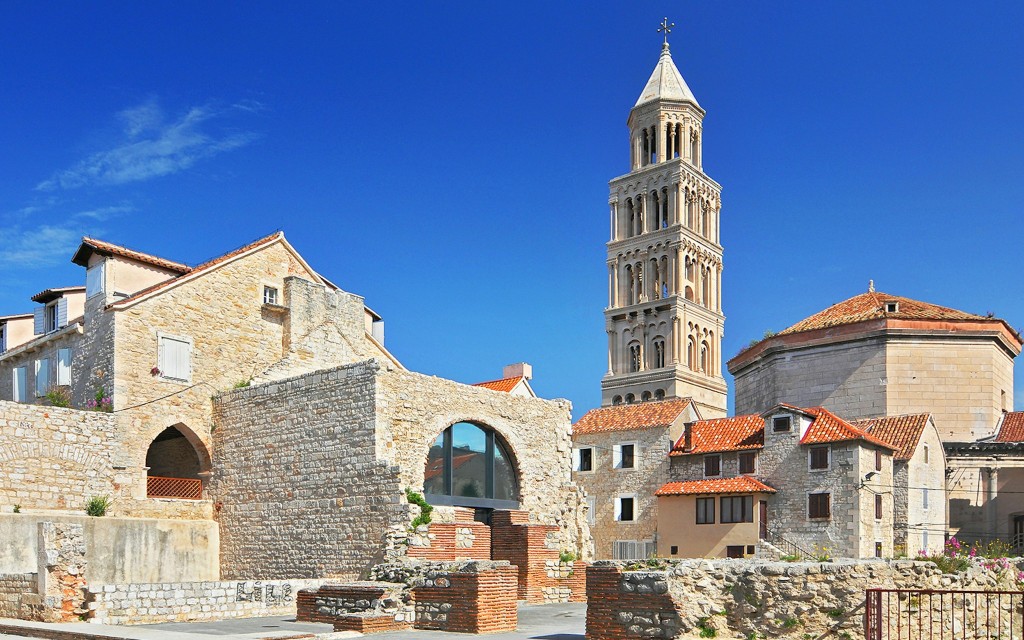
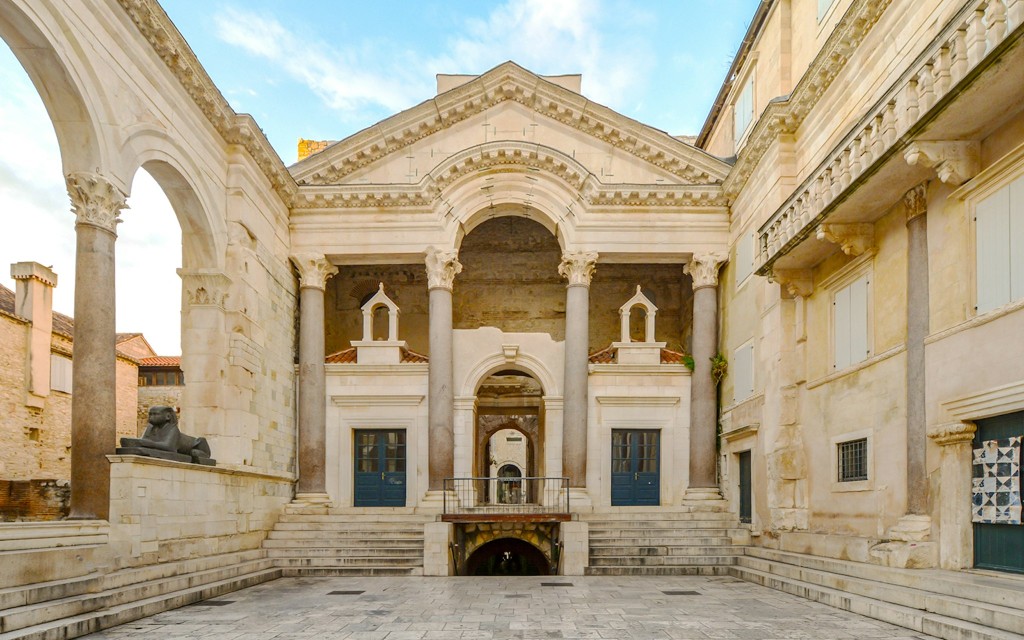
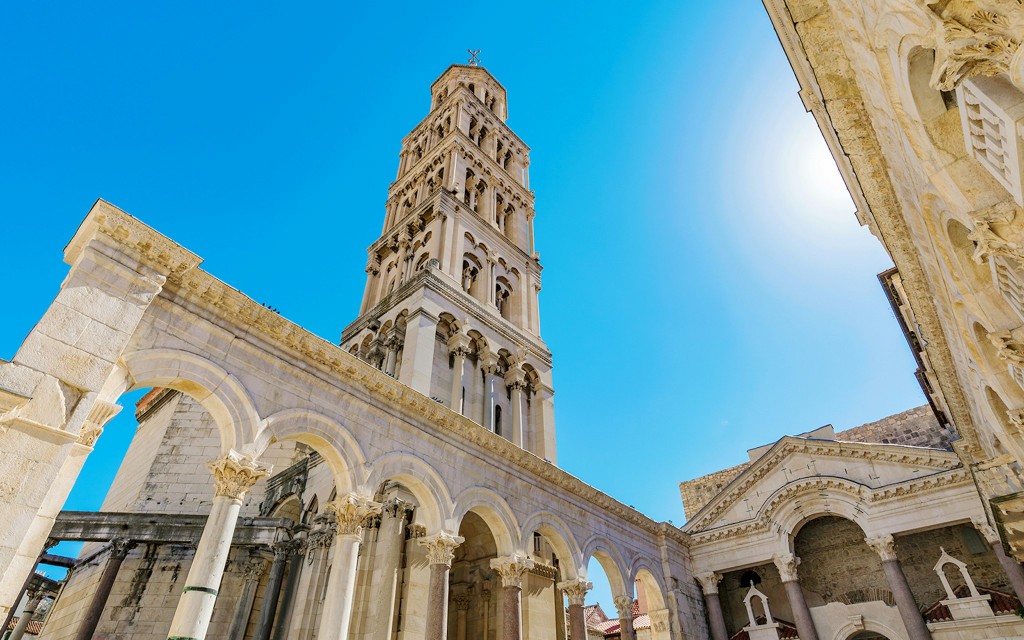


Capture the majestic architecture, panoramic city views from the bell tower, and intricate interior frescoes of this historic cathedral.
The Cathedral of Saint Domnius, located in the historic heart of Split, Croatia, is a stunning example of religious architecture and a testament to the city's rich history. Visiting this iconic monument provides an unparalleled glimpse into its ancient past and spiritual significance. The cathedral, originally built as a mausoleum, has been transformed into a place of worship and heritage preservation. Exploring the cathedral offers more than just sightseeing; it’s an immersive experience into centuries-old traditions, breathtaking architecture, and panoramic views of the surroundings. Whether you are a history enthusiast, a spiritual seeker, or an architecture lover, the Cathedral of Saint Domnius promises an enriching visit that will leave a lasting impression.
Modest attire is recommended—shoulders and knees should be covered, particularly during religious services. Comfortable but respectful clothing ensures a pleasant visit.
Your Experience
Explore Split on a walking tour
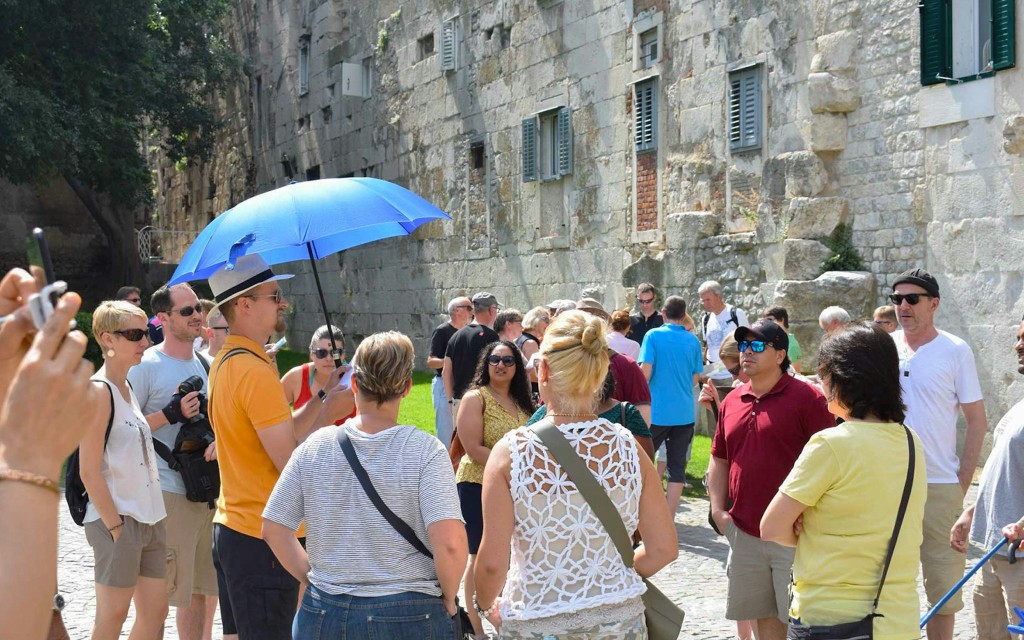
Dust off your walking shoes and delve into 1,700 years of Split's captivating story. Your expert English-speaking guide will whisk you through the UNESCO-protected heart of the city, the Diocletian's Palace complex. But that's just the first chapter! You'll then weave your way through time, exploring captivating sights like the City Clock, the Riva waterfront promenade, and bustling People's Square.
See a new perspective
Walk to the remarkable Cathedral of St. Duje (Saint Dominus), said to be the oldest Catholic cathedral in the world to still be in use in its original structure. Find out more about Gregory of Nin by his statue in Giardini Park, and head over to the Riva promenade to take in views of Marjan Hill and the Adriatic Sea. This isn't just a tour, it's a chance to see Split through the eyes of a local and discover hidden gems you might otherwise miss.
Itinerary
-
Starting point: Golden Gate, Split
-
Game of Thrones Museum
-
People's Square
-
Fruit Square
-
Riva
-
Diocletian's Cellars
-
Peristil
-
Cathedral of Saint Domnius
-
Vestibul
-
Ending point: Golden Gate
What's Included
Know Before You Go
What to bring
-
Bring along your walking shoes, water, and sunscreen for comfortable exploration.
-
Bring local currency or your preferred payment method for meals, souvenirs, and extra delights not covered by the ticket.
Accessibility
- This experience is not accessible by wheelchair.
Additional Information
-
Children aged under 18 years must be accompanied by an adult.
-
The itinerary is subject to change due to unforeseen circumstances.
Instructions
What to Expect
About Cathedral of Saint Domnius Tickets, Tours & Visitor Information
The Cathedral of Saint Domnius is one of the best-preserved Roman monuments and a central symbol of Split. Originally constructed as the mausoleum for Emperor Diocletian in the 4th century, it was later converted into a Christian cathedral in the 7th century. Its impressive structure combines Romanesque, Gothic, and Renaissance architectural elements, making it a unique historical monument. Visitors can ascend the bell tower for stunning views over Split and the Adriatic Sea. Inside, the cathedral features beautifully decorated chapels, historic relics, and intricate frescoes. Its Romanesque altar and ancient stone carvings showcase centuries of religious and artistic evolution, attracting history buffs and culture enthusiasts alike. What makes this cathedral especially special is its blend of ancient Roman architecture with continuous religious use and its panoramic city views from the tower. The site also includes archaeological excavations revealing the original Roman mausoleum, providing a comprehensive insight into its layered history.
Highlights
Why Book Online?
Booking your tickets online guarantees quick entry and helps you avoid lines at this popular attraction. It allows better planning of your visit with immediate confirmation and access to exclusive deals. Pre-booking also ensures your guaranteed entry, especially during peak seasons, making your experience smooth and hassle-free.
History
Constructed in the 4th century as a mausoleum for the Roman emperor Diocletian, the site was repurposed as a Christian cathedral in the 7th century. Over centuries, it has undergone various renovations, blending Roman, Gothic, and Renaissance styles. Its conversion marked a significant moment in religious and architectural history, symbolizing the city's evolving cultural landscape. The cathedral’s location within Diocletian’s Palace complex makes it a cornerstone of UNESCO World Heritage. Its enduring structure has witnessed countless historical events, from Roman times through medieval periods and into modern day, serving as a spiritual and cultural hub of Split.
Opening Hours
The Cathedral is generally open daily from early morning until late afternoon, with specific hours varying seasonally. It’s recommended to visit during daylight hours to enjoy the views and explore comfortably. The bell tower may have specific opening times, and guided tours are available for a comprehensive experience.
Best Time to Visit
The best time to visit is during spring (April to June) or early autumn (September to October) when the weather is mild and the city is less crowded. Summer is ideal for combining your visit with seaside activities, but expect larger crowds.
What to See Inside
Inside the Cathedral of Saint Domnius, you will find richly decorated chapels, ancient relics, and stunning frescoes that tell stories of its long history. The cathedral’s altar is a masterpiece of Romanesque art, and the crypt beneath the church contains significant archaeological remains of the original Roman mausoleum. Climbing the bell tower offers spectacular views of Split, the surrounding islands, and the Adriatic coast. The interior’s architectural details, combined with historical artifacts, create an immersive experience that highlights the cultural and spiritual significance of this historic site.
Things to Know
Wear comfortable shoes suitable for climbing the bell tower and walking on uneven surfaces. Photography is permitted in most areas but flash photography may be restricted inside certain sections. Respect the religious functions and avoid loud noise during services. Entry may be limited during mass times, so plan accordingly.
Visitor Rules
Visitors should respect the sacred nature of the site, avoid disturbing worshippers, and adhere to photography guidelines. Smoking and consumption of food or drinks inside the cathedral are prohibited. Children should be supervised at all times, especially near the bell tower.
Is It Worth Visiting?
The Cathedral of Saint Domnius offers a rare glimpse into ancient Roman architecture intertwined with vibrant religious traditions. Its historical significance, stunning views, and cultural richness make it a must-see when exploring Split. The panoramic vistas from the bell tower alone justify the visit, creating memories that last a lifetime. It’s not just a monument but a living part of Split’s heritage, connecting the past with the present.
Frequently Asked Questions
The cathedral is generally open daily from morning to late afternoon, with specific hours varying seasonally.
Yes, tickets are available for entry, and guided tours can be booked for a more comprehensive experience.
Yes, the bell tower is accessible to visitors and offers stunning views of Split and the surrounding area.
Yes, religious services are regularly held, and visitors are kindly asked to respect these sacred moments.
Photography is generally permitted, but flash may be restricted inside certain areas to preserve delicate frescoes.
Allow approximately 1 to 2 hours to explore the cathedral, bell tower, and nearby archaeological sites.
Yes, guided tours are available to provide deeper insights into the history and architecture.
How to Get There
Accessible by public transport, with nearby bus stops and easy walking routes from the city center and cruise terminal. The site is centrally located within Split’s Old Town, making it easy to reach on foot.
Modest attire is recommended—shoulders and knees should be covered, particularly during religious services. Comfortable but respectful clothing ensures a pleasant visit.