
Vatican Museums, Sistine Chapel & St. Peter's Basilica Early Morning Tour (Semi-Private Vatican Museum & Sistine Chapel Early Morning Tour)
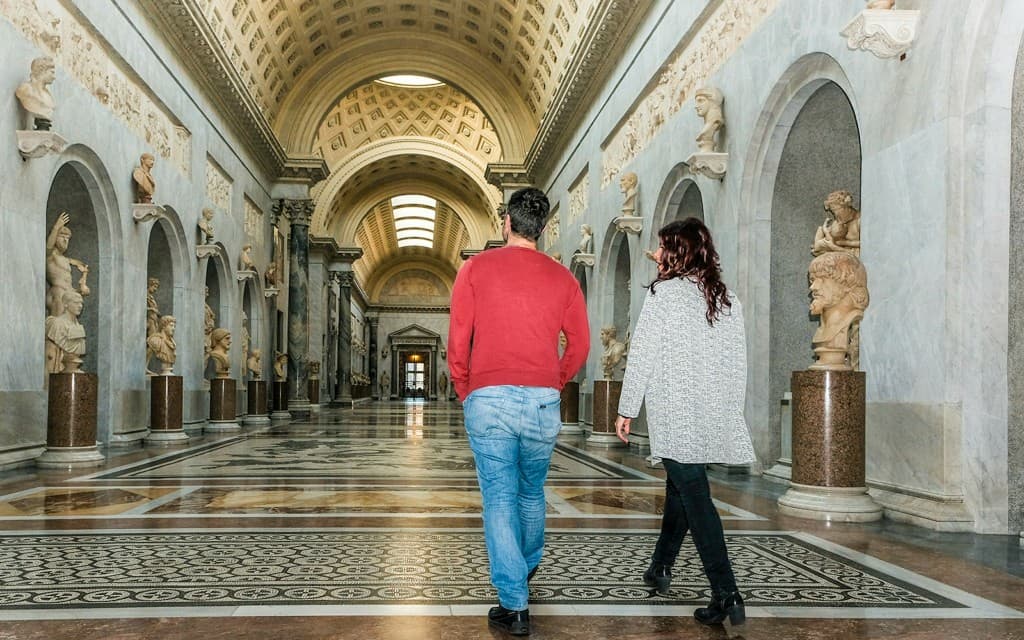
Vatican Museums, Sistine Chapel & St. Peter's Basilica Early Morning Tour (Early Morning Tour with Exclusive Breakfast)

Vatican Museums & Sistine Chapel: Hosted Entry Ticket

Vatican Museums, Sistine Chapel & Rome Pantheon: Fast Track Ticket

Vatican Museums & Sistine Chapel: Fast Track Ticket + Audio Guide

Vatican Museums & Sistine Chapel: Afternoon Guided Tour

Vatican Museums & Sistine Chapel: Guided Evening Tour

Vatican Museums & Sistine Chapel: Early Access + Guided Tour

Vatican Museums & Sistine Chapel: Fast Track Ticket

Vatican Museums & Sistine Chapel: Entry Ticket

Vatican Museums & Sistine Chapel: Small Group Guided Tour

Vatican Museums, Sistine Chapel & Basilica: Skip The Line Entry + Guided Tour

Vatican Museums & Sistine Chapel: Fast Track Ticket + Guided Tour

Vatican Museums & Sistine Chapel Skip-the-Line Tickets (Hosted Skip-the-Line Ticket)

Vatican Museums & Sistine Chapel Skip-the-Line Tickets (Skip-the-Line English Guided Tour)
The Sistine Chapel, located within Vatican City, is one of the world's most renowned masterpieces of art and religious history. Visiting this iconic chapel offers a profound experience into Renaissance artistry and spiritual tradition. Marvel at Michelangelo’s breathtaking ceiling and immerse yourself in centuries of history and devotion. Whether you’re an art enthusiast or a curious traveler, the Sistine Chapel promises an unforgettable journey through culture and faith. Step inside and be transported to a realm where art, history, and spirituality converge. The ambiance is filled with awe as visitors gaze upon the intricate frescoes and the majestic altar. The peaceful yet inspiring atmosphere makes it a must-see destination for travelers seeking profound cultural insights and spiritual reflection. Prepare for a memorable visit that leaves a lasting impression on your exploration of Rome’s greatest treasures.
What to Expect
Highlights
About Sistine Chapel
The Sistine Chapel is a chapel within Vatican City, famous worldwide for its stunning frescoes painted by Michelangelo, covering the ceiling and the altar wall. Built between 1473 and 1481 under the commission of Pope Sixtus IV, it serves as the site of papal conclaves and other significant religious events. The chapel’s architecture combines Renaissance artistry with spiritual symbolism, making it an extraordinary example of religious and artistic achievement. The interior of the Sistine Chapel features an extensive array of frescoes depicting biblical scenes, with Michelangelo’s ceiling illustrating the Book of Genesis, including the Creation of Adam. The Last Judgment, painted later by Michelangelo on the altar wall, is a monumental depiction of the Second Coming. The chapel’s art is complemented by intricate architecture, ornate decorations, and historical inscriptions. Visitors can tour the chapel’s main features, learn about the stories behind the artwork, and appreciate Michelangelo's masterful technique, which revolutionized Western art. The chapel remains a living symbol of faith and artistic innovation, attracting millions of visitors each year who come to admire its spiritual and cultural significance.
Why Book Online?
Booking your tickets online guarantees fast, skip-the-line access, saving time and avoiding long queues. You’ll enjoy guaranteed entry and can better plan your visit around your schedule. Plus, compare different tour options for the best experience and value, ensuring a seamless and memorable exploration of this masterpieces.
History
Constructed between 1473 and 1481, the Sistine Chapel was commissioned by Pope Sixtus IV as part of the Vatican Palace. Its artistic importance rose exponentially with Michelangelo’s commission in 1508 to paint the ceiling, a task completed over four years, transforming the space into a Renaissance masterpiece. The frescoes on the ceiling depict biblical stories from Genesis, culminating in the iconic Creation of Adam. Later, Michelangelo returned to paint The Last Judgment on the altar wall, a powerful representation of the final judgment and salvation. Throughout history, the Sistine Chapel has served as the site of conclaves and papal inaugurations, symbolizing the spiritual authority of the Catholic Church. It remains a pinnacle of religious art and architectural achievement, drawing millions of visitors worldwide to marvel at its artistic and spiritual significance. Its preservation and continued use underscore its importance as a symbol of faith, history, and human creativity.
Opening Hours
The Sistine Chapel generally opens every day around 9:00 AM and closes around 6:00 PM, with the last entry half an hour before closing. Admission times may vary depending on religious services and events. It is recommended to start your visit early or later in the afternoon to avoid large crowds. Note that access may be restricted during special ceremonies or Vatican functions, so plan accordingly.
Best Time to Visit
The best time to experience the Sistine Chapel is during weekdays outside peak seasons, in early mornings or late afternoons, to enjoy a quieter atmosphere and more intimate viewing experience.
What to See Inside
Inside the Sistine Chapel, you will marvel at Michelangelo’s frescoes that cover the ceiling and altar wall. The upper ceiling features scenes from Genesis, including the Creation of Adam, showcasing Michelangelo’s mastery of anatomy and perspective. The altar wall hosts The Last Judgment, an awe-inspiring portrayal of the apocalypse filled with figures that express divine judgment and salvation. The architecture itself is equally remarkable, with richly decorated walls, intricate stuccoes, and historical inscriptions. Visitors can also observe the band of the papal coat of arms and other religious icons, immersing themselves in centuries of spiritual artistry. Audio and guided tours often highlight the stories behind each scene, enriching the experience and deepening understanding of its historical and religious context.
Things to Know
Wear modest clothing covering shoulders and knees, as it is a sacred site. Photography is generally prohibited inside the chapel to preserve the artwork. Ear protection is optional but recommended due to the silence maintained during visits. It’s advisable to arrive early or book tickets online to avoid long queues, especially during peak seasons. Guided tours can enhance understanding of the artworks and history behind the masterpieces.
Visitor Rules
Maintain silence to respect the sacred environment, do not touch the frescoes or any artwork, and refrain from using flash photography. Flash or loud noises are strictly prohibited. Be respectful of other visitors and maintain decorum during your visit. Large bags and backpacks are usually not allowed inside; use cloakroom facilities if available.
Is It Worth Visiting?
A visit to the Sistine Chapel is an unparalleled journey into the heart of Renaissance art and religious history. Its breathtaking frescoes, rich symbolism, and spiritual ambiance make it a must-see destination for travelers seeking cultural and spiritual enrichment. Standing beneath Michelangelo’s masterpieces offers a profound connection with centuries of faith and human ingenuity, making it a truly worthwhile experience.
Frequently Asked Questions
No, photography with flash is prohibited inside the Sistine Chapel to preserve the artwork. Some areas may have restrictions on photographs altogether.
Most visitors spend about 30 to 45 minutes exploring the chapel, including time for appreciation and reflection.
Visits during religious ceremonies may be limited or inaccessible. It is best to plan your visit during open hours outside of these events.
Yes, many guided tours offer detailed explanations of the art and history, enriching your visit experience.
Modest clothing covering shoulders and knees is required, as it is a sacred place.
Yes, arrangements can be made for visitors with mobility issues, but it is recommended to check specific access details beforehand.
Visit early in the morning or late in the afternoon on weekdays for a quieter experience. Booking skip-the-line tickets online is also highly recommended.
How to Get There
Take the metro to Ottaviano-San Pietro station or Cipro station, both within walking distance; Vatican City is also accessible by bus or on foot from central Rome.