From Seoul: DMZ Day Tour with Mt. Gamaksan Suspension Bridge Visit (DMZ + Suspension Bridge Tour)
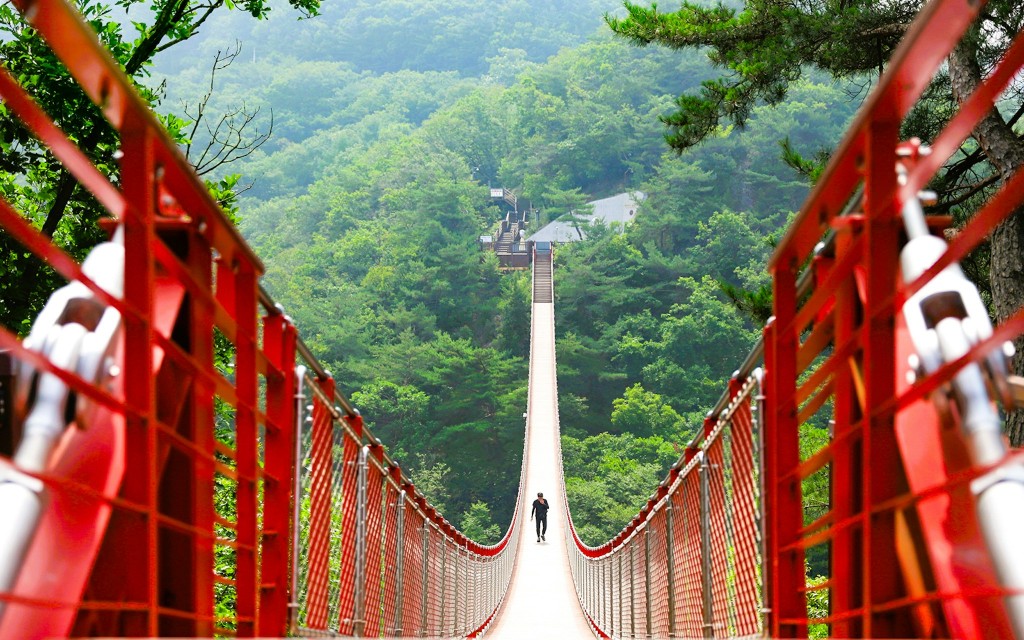
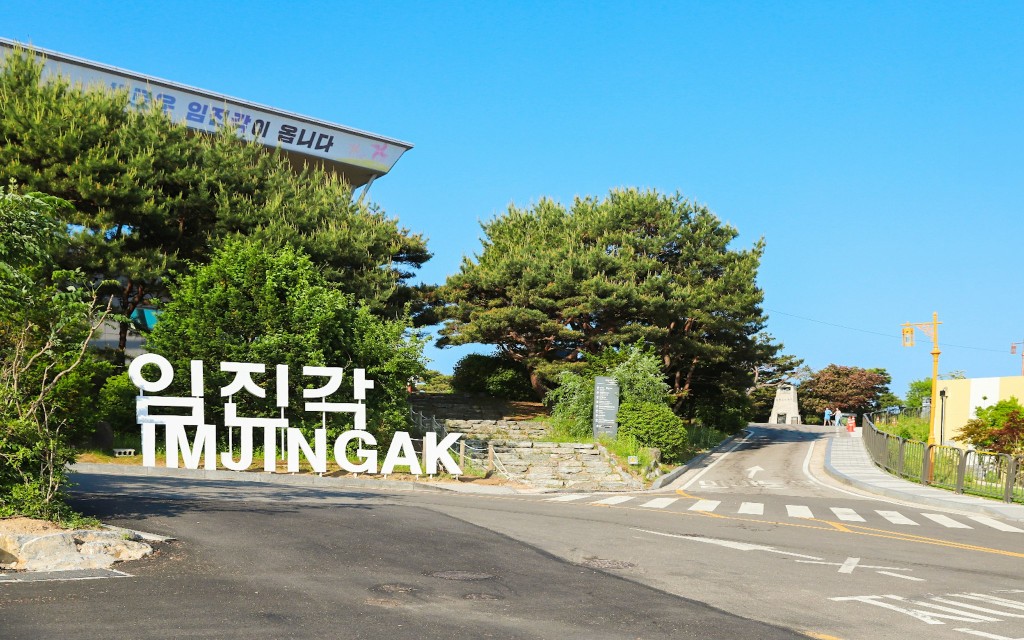
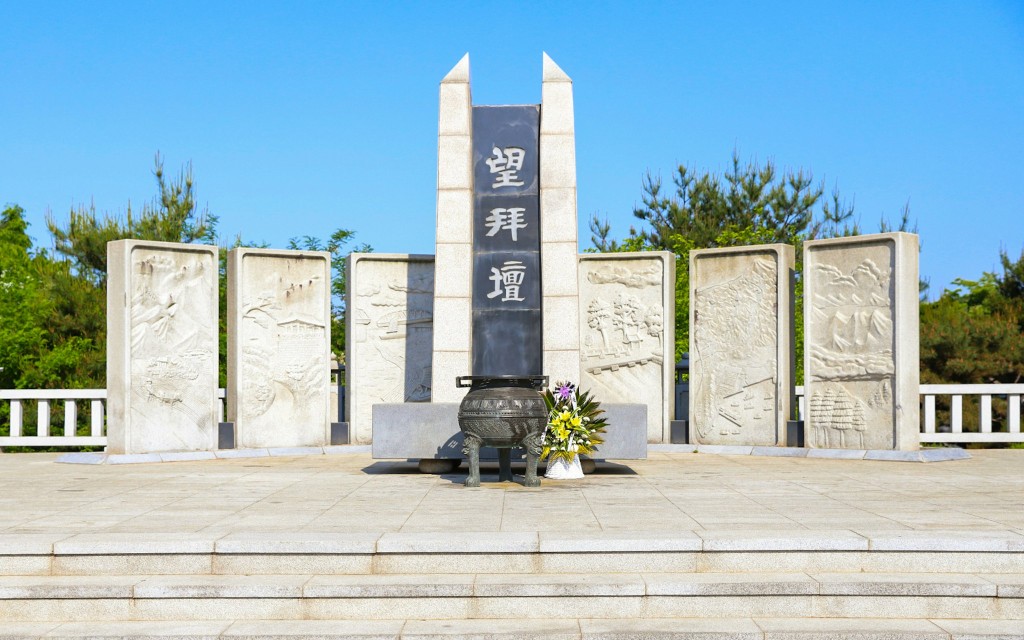
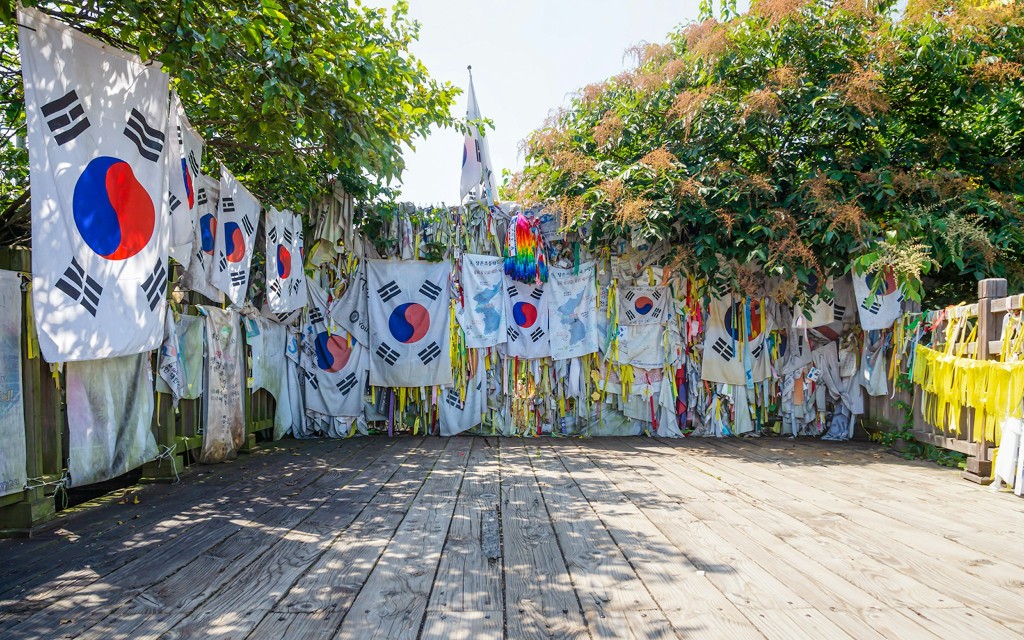


Capture memorable moments at key sites like the Dora Observatory, the infiltration tunnel entrance, and the symbolic Dorasan Station. The tour offers stunning views and meaningful historical insights.
Discover the poignant history and striking scenery of the Demilitarized Zone (DMZ) on an guided tour from Seoul. This experience offers a unique glimpse into one of the most tense borders in the world, allowing visitors to explore significant sites and learn about Korea's divided history. The tour provides not only historical insights but also breathtaking views of the DMZ area, making it a must-see for travelers interested in modern history and geopolitics.
Wear modest and comfortable clothing appropriate for outdoor visits and varying weather conditions. Sturdy footwear is advisable for walking tours.
Your experience
Step back in time
Begin your journey at Imjingak Park, located just 7 km from the Military Demarcation Line, where you'll come face-to-face with the remnants of the Korean War. Pay your respects at the Mangbaedan Altar, and appreciate the resilience symbolized by the rebuilt Dokgae Bridge.
Explore the depths of conflict
Next, descend into the 3rd Tunnel, a 1,635m long, 2m wide, and 2m high underground passage constructed by North Korea. It's a sobering reminder of the tensions that once ran high, with the capacity to allow 30,000 soldiers to pass through per hour. At the Dora Observatory, use binoculars to catch a rare glimpse of life in secretive North Korea, and its landscapes.
Honor the brave
Cross the Mt. Gamaksan Suspension Bridge, taking in breathtaking views of the Imjin River and surrounding mountains while walking in the footsteps of heroes from the Battle of Solma-ri. Finally, enjoy a moment of serenity at the peaceful Ungye Falls before concluding your tour at City Hall Station or the Myeongdong area.
Itinerary
Rough itinerary of the experience
-
Pick-up from Seoul
-
Imjingak Park
-
3rd Infiltration Tunnel
-
Lunch time
-
Dora Observatory
-
Mt. Gamaksan Suspension Bridge
-
Drop-off at Seoul
The itinerary is subject to weather, military, and government regulation factors. A refund will not be offered. Instead, you will visit: Imjingak, Art Space BEAT 131, Odusan Unification Observatory, War Memorial of Korea, City Hall, or Myeongdong.
What's Included
Know Before You Go
What to bring
-
Wear comfortable walking shoes as you walk through the tunnel and on different terrains.
-
Bring your valid passport, which the military officials at the entrance of DMZ will check.
What's not allowed
-
Luggage and large bags are not allowed on the tour.
-
Waving, pointing, signaling, or photography without permission are not allowed at the DMZ.
-
Strict Dress Code: No ripped pants, shorts, skirts, or camouflage.
-
DMZ is not the kind of place guests can just wander off. Guests must stay with their guide and military escorts at all times.
Accessibility
- This tour is not suitable for those with mobility issues.
Additional information
-
DMZ is a military area and hence it can close without prior notice.
-
DMZ is closed on Mondays and military training days.
-
Guests who are intoxicated will not be permitted on the tour and will not be entitled to a refund.
-
The pickup time will be notified with a booking confirmation email. Please check your email a day before the tour date, in case there is a notice about a change in the pickup time.
-
A transfer to the DMZ shuttle bus is required if there are fewer than 30 people in the car, in accordance with government policy.
-
The 3rd Tunnel has a steep slope and takes 30-40 minutes for a round trip on foot. It can be challenging for children and the elderly, and it is possible to wait in front of the tunnel if needed.
What to Expect
About DMZ Tour from Seoul: Tickets, Tours & Visitor Information
The DMZ Tour from Seoul takes you through the heavily fortified border area between North and South Korea. The tour typically includes visits to key sites such as the Dora Observatory, where you can gaze into North Korea, the Third Infiltration Tunnel, built by North Korea to infiltrate into South Korea, and the Dorasan Station, symbolizing hope for reunification. This experience is structured into guided visits that cover the historical, military, and symbolic significance of each location. Visitors learn about the Cold War origins of the division, the ongoing tensions, and the aspirations for peace and reunification. The tour usually lasts about half a day, offering a comprehensive and insightful journey into one of the world's most tense and fascinating landscapes.
Highlights
Why Book Online?
Booking your DMZ Tour online guarantees your spot, allows you to skip lines, and ensures a seamless planning experience. Compare different tours and choose the best options to suit your interests and schedule, with immediate confirmation for peace of mind.
History
The DMZ was established at the end of the Korean War in 1953 as a demilitarized zone separating North and South Korea. It spans approximately 250 kilometers and serves as a buffer zone marked by an armistice agreement, though the area remains heavily militarized. The zone has become a symbol of division and conflict, as well as hopes for peace and reunification. Over the decades, the DMZ has been the site of numerous incidents, negotiations, and moments of hope, including rare moments of diplomatic engagement. The region has also become a place of scientific and ecological interest, with its restricted status preserving unique habitats. Visiting the DMZ offers insight into a complex geopolitical history and the ongoing efforts for reconciliation.
Opening Hours
Guided tours operate throughout the week, generally from early morning to late afternoon. Exact times vary by provider and season; advance booking is recommended.
Best Time to Visit
Visit during spring or autumn for optimal weather and scenic views. Mornings often have better visibility and fewer crowds.
What to See Inside
Inside the DMZ tour, you'll visit key sites including the Dora Observatory, the Third Infiltration Tunnel, and Dorasan Station. At the observatory, enjoy views into North Korea and learn about the region's history. The Third Infiltration Tunnel showcases North Korea's covert infiltration efforts and offers the chance to walk through a portion of the tunnel. Dorasan Station symbolizes the hope for reunification, with exhibits explaining Korea's divided history and the aspirations for peace. Each site provides interpretive displays, guided commentary, and photo opportunities, offering a deeply moving and informative experience.
Things to Know
Bring valid identification and adhere to all security instructions. Comfortable walking shoes are recommended due to uneven terrain. Respect local regulations and stay within designated areas. Tours are subject to security restrictions and weather conditions.
Visitor Rules
Visitors must follow guide instructions at all times, refrain from taking photos in restricted zones, and respect local customs. Photography restrictions are strictly enforced in certain areas.
Is It Worth Visiting?
A trip to the DMZ offers a rare and profound opportunity to understand Korea's divided history and hopes for peace. It's an eye-opening experience that combines historical education, breathtaking views, and cultural reflection, making it a meaningful addition to your travel itinerary.
Frequently Asked Questions
Yes, but children should be accompanied by adults and understand the importance of respecting security protocols.
It's recommended to book at least a few days in advance due to limited availability and security checks.
Yes, some areas restrict photography to ensure security, especially in military zones.
Bring valid ID, comfortable shoes, weather-appropriate clothing, and a camera for photos.
Accessibility may be limited; please specify special requirements when booking.
Most tours are fixed, but some providers offer customized or private options upon request.
The area is highly secured with military presence; follow all guidelines and instructions.
How to Get There
Most tours include hotel pickup in Seoul and transportation by comfortable coach. Public transport options are limited; booking a guided tour with included transportation is recommended for convenience.
Wear modest and comfortable clothing appropriate for outdoor visits and varying weather conditions. Sturdy footwear is advisable for walking tours.