Rome Pantheon Fast-Track Tickets (Fast-Track Tickets with Audio Guide)
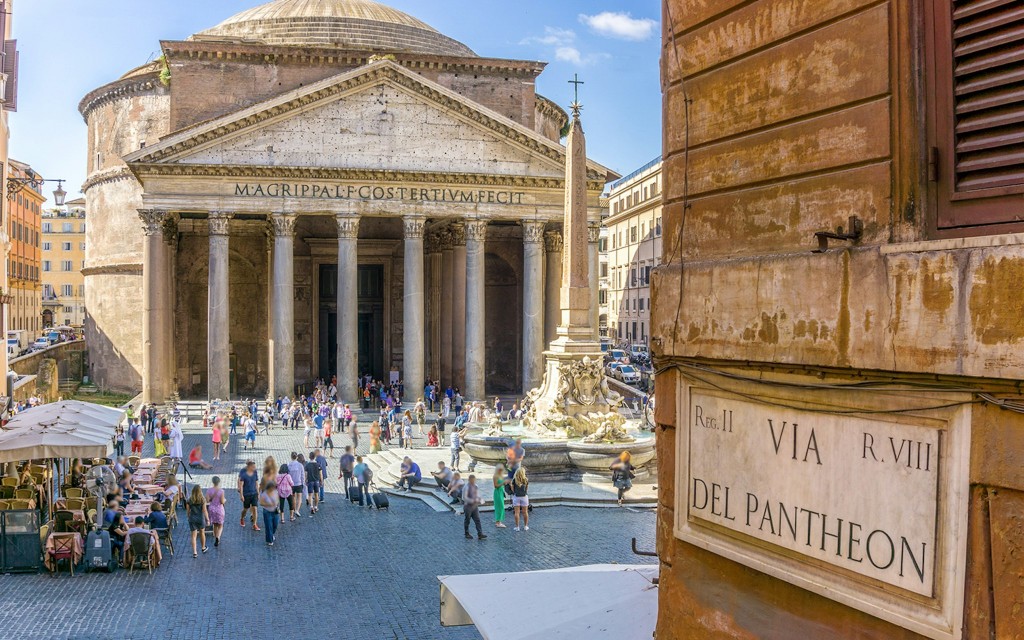
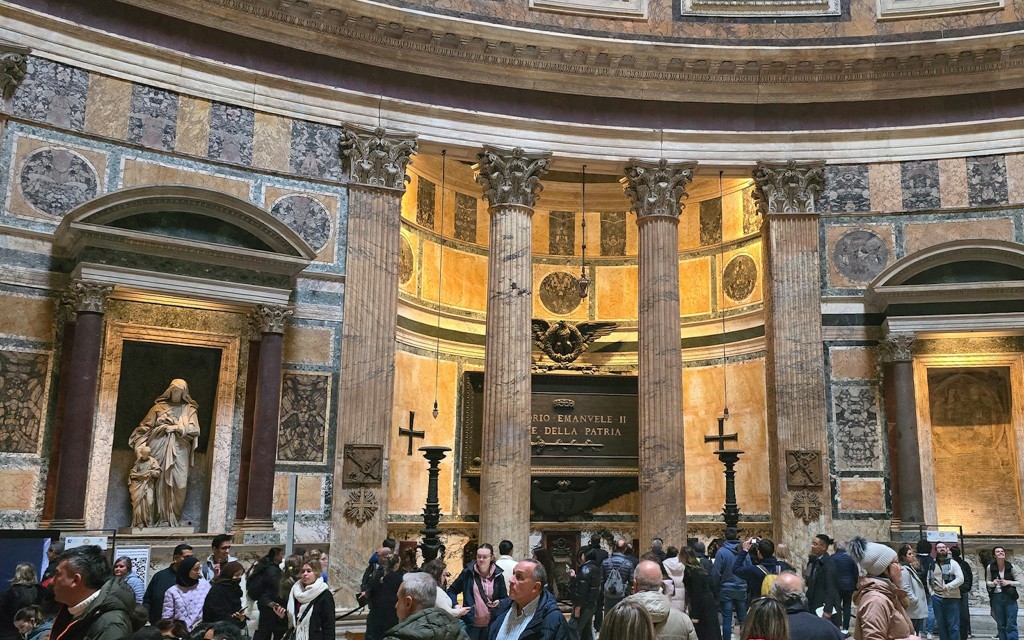
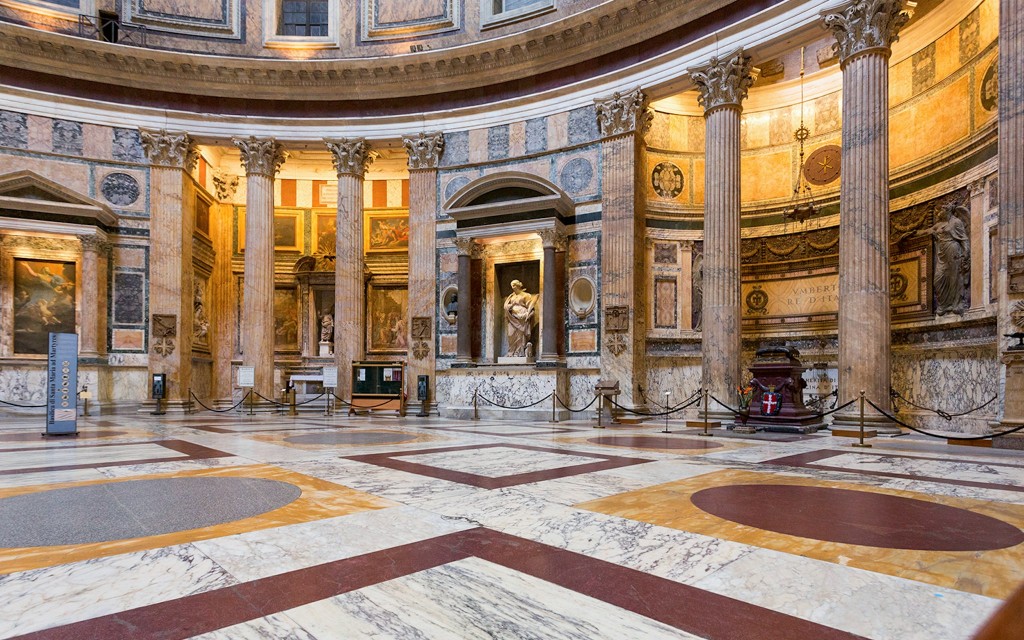
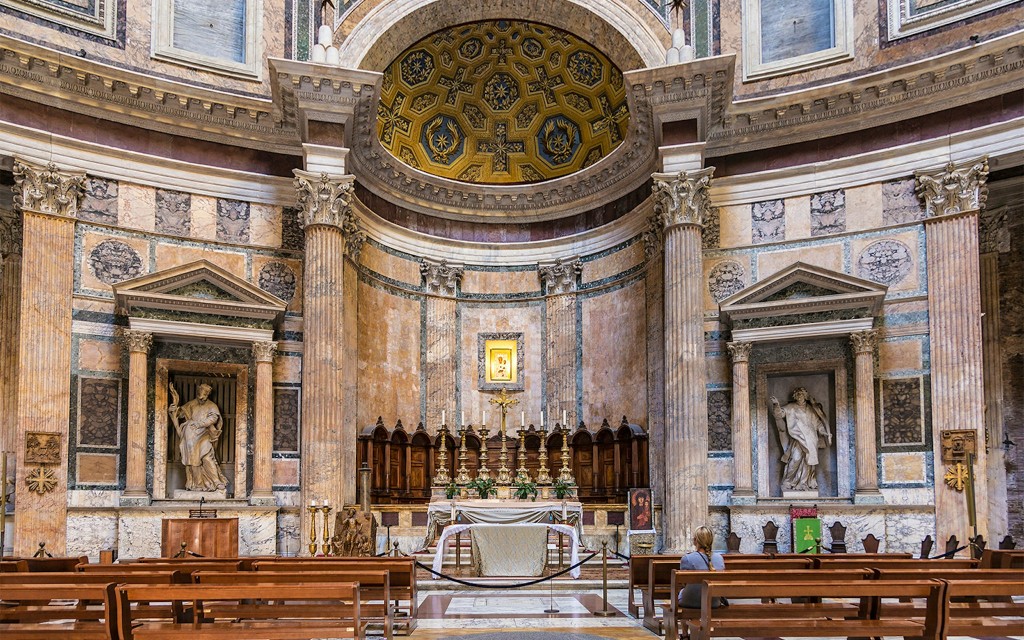


Capture the stunning facade, intricate interior details, and panoramic views from the entrance for unforgettable memories of your visit.
The Pantheon in Rome stands as an architectural marvel and an enduring symbol of ancient Roman ingenuity. This iconic monument delights visitors with its stunning dome and historical significance, offering a glimpse into the grandeur of ancient Rome. Exploring the Pantheon is an immersive experience that transports you back in time. Feel the awe as you stand beneath the massive oculus, admire the ancient sculptures, and wander through the beautifully preserved interior. Discover centuries of history while enjoying the sense of wonder this extraordinary monument inspires.
Dress modestly when visiting religious areas inside the Pantheon; avoid revealing attire to respect cultural norms and religious sensitivities.
Your experience
Skip the lines and step straight into 2,000 years of Roman history with fast-track access to the Pantheon, giving you more time to explore its architecture and stories your own way.
Getting started
Scan your pre-booked ticket at the entrance and proceed through the mandatory security check. Arrive at least 15 minutes before your time slot to ensure a smooth entry.
Pantheon
What to expect
Discover one of Rome’s best-preserved ancient monuments, originally built as a temple to all gods and later transformed into a Christian basilica.
Features
-
Stand beneath the iconic dome and oculus, a masterpiece of ancient engineering that floods the interiors with natural light.
-
Explore marble-clad chapels, Renaissance design elements, and the tombs of Italian kings and famed artist Raphael.
-
Trace the Pantheon’s evolution from pagan temple to Catholic church over two millennia.
Upgrades
Enhance your visit with hosted entry for on-site assistance, a multilingual audio guide for deeper context, or an English-guided tour for expert storytelling and historical insights.
What's Included
What's Excluded
Know Before You Go
Know before you go
What to bring
- For the verification process, participants must bring along a valid identity document.
What's not allowed
-
Strict dress code: knees, shoulders, and back must be covered for all guests.
-
Shutterbugs, take note: Flash photography and tripods are a no-go inside the venue.
-
Due to venue restrictions, pets cannot tag along for this experience.
Accessibility
- This experience is wheelchair and pram/stroller accessible.
Additional information
-
Please note that if you've selected hosted entry, your host will not act as your guide.
-
Even with fast-track entry, waiting times may exceed 30 minutes during peak hours or high season.
-
Guests are advised to arrive at least 15 minutes before their scheduled time to ensure smoother entry.
-
Some areas within the Pantheon may be inaccessible due to site restrictions, leading to unpredictable closures.
-
The Pantheon may close without prior notice for masses and other events.
Instructions
What to Expect
About Pantheon Tickets, Tours & Visitor Information
The Pantheon is a former Roman temple, now a church, renowned for its massive dome and oculus that creates a striking light effect inside. Built nearly 2,000 years ago during Emperor Hadrian's reign, it exemplifies Roman engineering prowess. The structure features a circular cella with a portico featuring large Corinthian columns. Its iconic dome, with a central opening, remains the largest unreinforced concrete dome in the world. Visitors can explore the interior's intricate marble flooring, ancient columns, and the tombs of notable figures, including the painter Raphael. What makes the Pantheon exceptional is its perfect harmony and innovative design, inspiring countless architects throughout history. Its preservation offers a rare chance to experience Roman spiritual and architectural excellence, making it a must-visit for history buffs and art lovers alike.
Highlights
Why Book Online?
Booking your Pantheon visit online guarantees skip-the-line entry, ensuring a smooth experience without long waits. It allows better planning of your day and access to exclusive deals, making your visit more convenient and enjoyable. Instant confirmation means your ticket is secured in advance, giving you peace of mind.
History
Constructed around 118–128 AD during Emperor Hadrian's reign, the Pantheon was originally a temple dedicated to all gods. Its architectural innovation, especially the large unreinforced concrete dome with an oculus, signified a major breakthrough and influenced countless structures worldwide. Over nearly two millennia, it has served various functions, including a Christian church since the 7th century, which contributed to its preservation. The monument has witnessed key historical events, from imperial ceremonies to modern-day tourism. Its design reflects Roman engineering brilliance and spiritual symbolism, symbolizing the heavens with the oculus open to the sky. The Pantheon stands as a testament to the enduring legacy of ancient Rome, inspiring architects and visitors alike with its grandeur and ingenuity.
Opening Hours
The Pantheon typically opens daily from morning until early evening, with some variations for religious services and special events. Check local schedules for specific times, and plan your visit accordingly to enjoy a less crowded experience.
Best Time to Visit
The best time to visit is early in the morning or late in the afternoon when crowds are smaller. Spring and autumn offer comfortable weather, perfect for exploring outdoor surroundings and enjoying the ambiance.
What to See Inside
Inside the Pantheon, marvel at its grand dome with the central oculus, which floods the interior with natural light. Admire the intricate marble floors, ancient columns, and the tombs of prominent figures. The interior layout emphasizes harmony and precision, showcasing Roman architectural mastery. Visitors can also see religious altars and historical sculptures, offering insights into its spiritual significance and historical context. The space is designed for awe and admiration, providing a profound cultural experience.
Things to Know
Wear comfortable shoes suitable for walking and exploring uneven surfaces. Entrance may involve stairs or steps; arrive early or late to avoid peak hours. Photography is permitted indoors, but flash photography should be avoided to preserve artwork. Be respectful of religious services if attending during the day.
Visitor Rules
Please follow the posted guidelines; refrain from touching artifacts, speaking loudly, or bringing large bags. Maintain respectful conduct to preserve the monument's condition. Photography is allowed but with restrictions on flash and tripods.
Is It Worth Visiting?
The Pantheon’s breathtaking architecture and historical significance make it an essential destination in Rome. Its preserved state offers a unique insight into ancient Roman engineering and spirituality. Visiting this iconic monument enriches your understanding of history and provides a stunning visual experience you won’t find elsewhere.
Frequently Asked Questions
Yes, guided tours can be booked in advance to enhance your understanding of the monument's history and architecture.
The monument has limited accessibility; some areas may require stairs. Check in advance for accessibility options.
Early mornings or late afternoons tend to be less crowded, providing a more serene experience.
Yes, photography is permitted, but flash and tripods are generally not allowed to protect the artwork.
The Pantheon typically remains open on most public holidays, but hours may vary slightly.
Absolutely, attractions like Piazza della Rotonda, Piazza Navona, and the Roman Forum are within walking distance.
Allocate around 45 minutes to an hour to fully appreciate the monument and its features.
How to Get There
The Pantheon is accessible via multiple public transport options including bus and metro. It is within walking distance from central Rome's major attractions, making it easy to incorporate into your city tour.
Dress modestly when visiting religious areas inside the Pantheon; avoid revealing attire to respect cultural norms and religious sensitivities.