Colosseum, Roman Forum & Palatine Hill + Digital Audio Guide
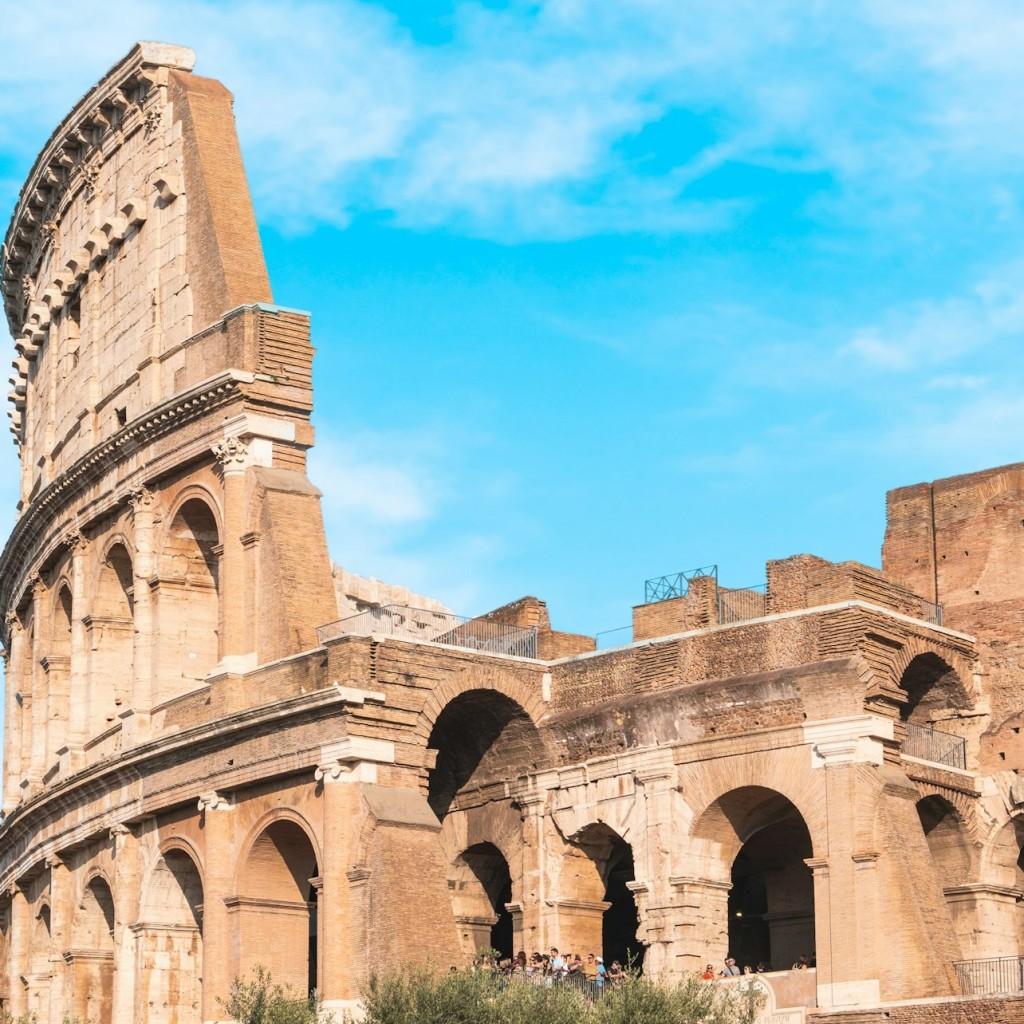
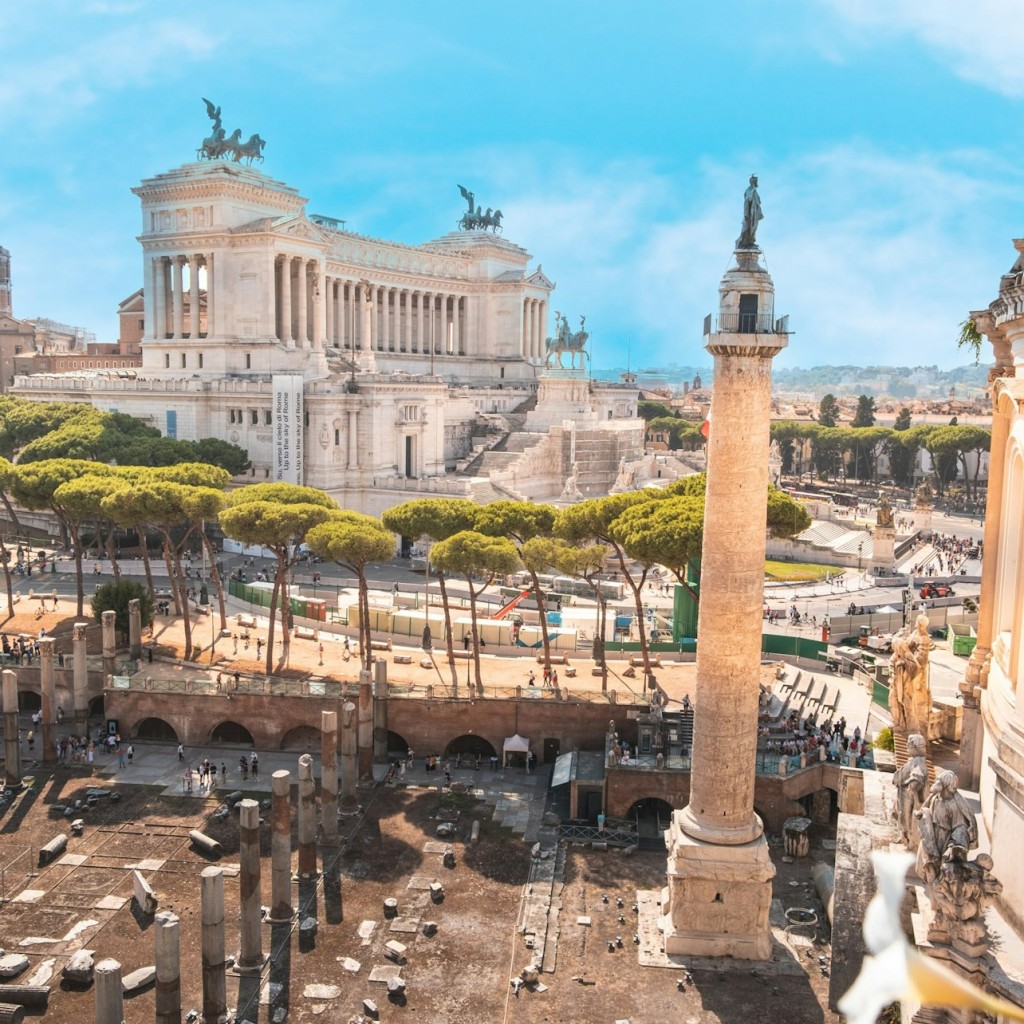
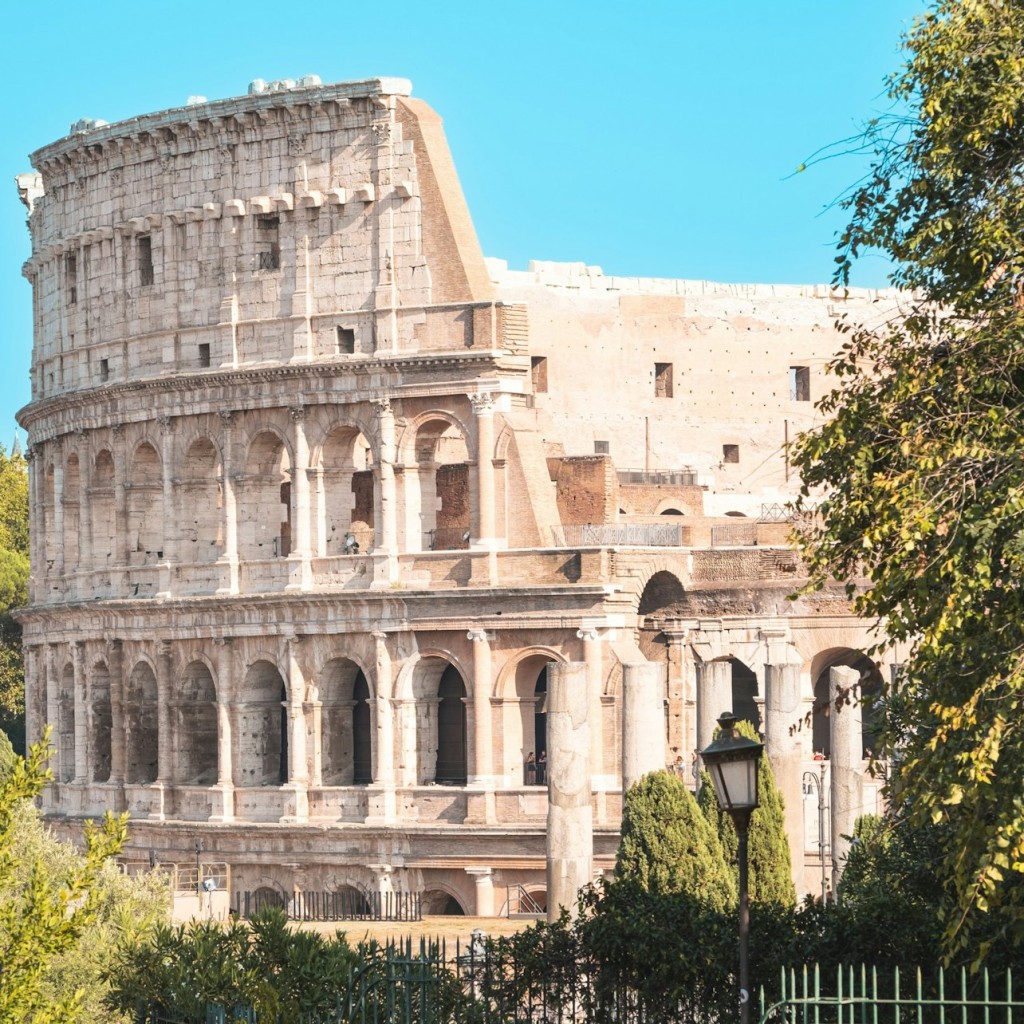
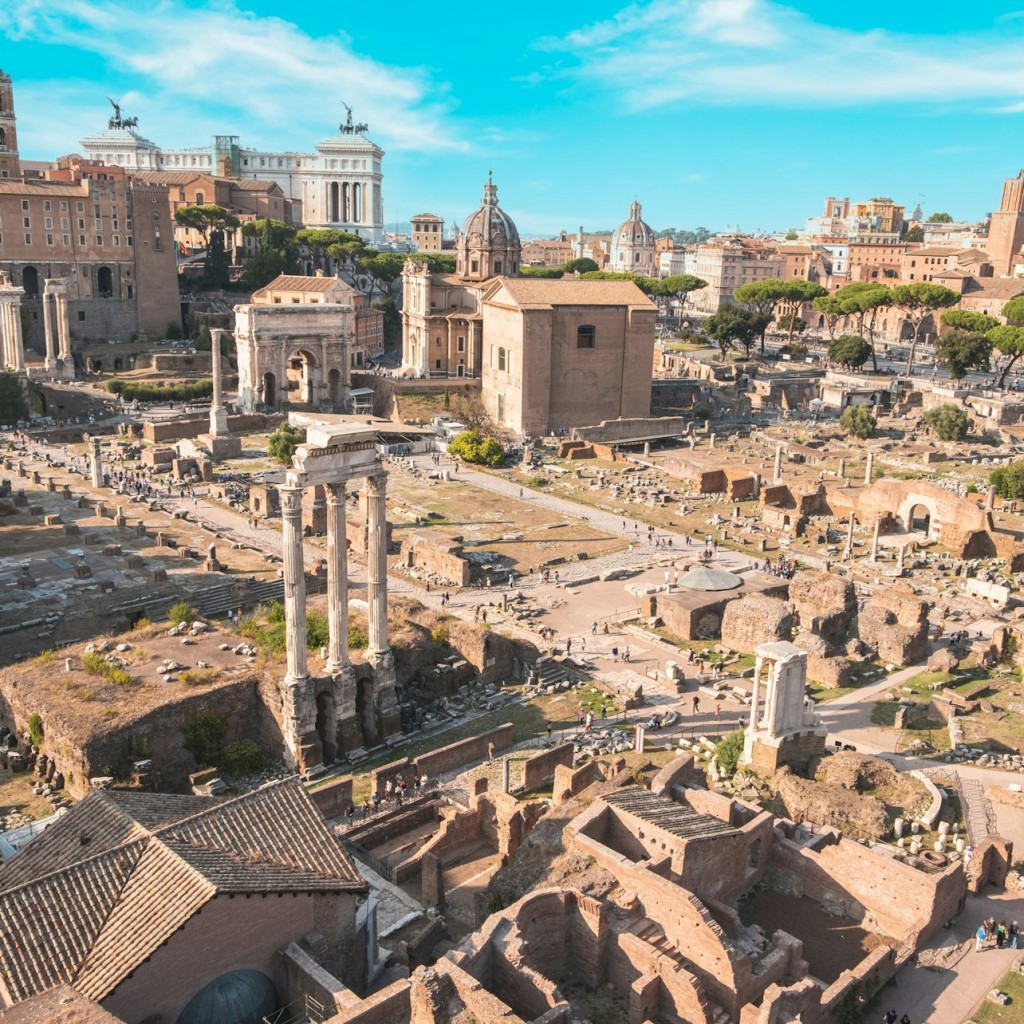


Capture memorable moments with the Colosseum's breathtaking architecture and scenic views as your backdrop. Great photo opportunities abound from various angles inside and outside the monument.
The Colosseum in Rome is one of the world's most iconic landmarks, drawing millions of visitors each year who wish to explore its ancient grandeur. As a symbol of Roman engineering and entertainment, it offers a captivating glimpse into the past that is both educational and awe-inspiring. Visiting the Colosseum is more than just sightseeing; it's an immersive journey into history, architecture, and the spirit of ancient Rome. Walking through its monumental arches and imagining the arena’s lively spectacles creates an unforgettable experience that connects you with centuries of history.
There is no specific dress code, but wear comfortable clothing and sturdy shoes suitable for walking and uneven terrain. Cover shoulders and knees if visiting religious sites nearby or during special events.
What's Included
What's Excluded
Know Before You Go
How It Works
Important Information
Before purchase
Colosseum Entry Price - Adult 18+: € 18 - Reduced EU citizens 18-25: € 2 - Free 0-17: € 0 By proceeding you agree to [Regolamento Visitatori](https://tinyurl.com/3mtvyysv) conditionsMust know
* There may be a necessity to wait in line for security checks * You must present a valid passport or ID * Not suitable for wheelchair users and people with mobility impairmentsHow to use
* Go directly to the entrance of the Colosseum and present a valid ID or passport * Vouchers will be delivered via email during the booking process (and Whatsapp), within 24 hours before the activity * Everyone goes through the security checks * The entry is only valid for the selected entrance time * You must download the PopGuide app (Vox S.p.a) on your smartphone at least a day before the activity and bring your headphones * Provide the complete name(s), preferably as stated on your passportInstructions
What to Expect
About The Colosseum Tickets, Tours & Visitor Information
The Colosseum, also known as the Flavian Amphitheatre, is an ancient oval amphitheatre located in the heart of Rome. Constructed between AD 70 and 80, it stands as a testament to Roman architectural innovation and engineering prowess. The structure could hold up to 80,000 spectators and hosted a variety of public spectacles including gladiator contests, animal hunts, and mock sea battles. Today, the Colosseum remains a remarkable monument boasting its iconic exterior arches and partially preserved interior. Visitors can explore multiple levels, including underground chambers, the seating areas, and the reconstructed arena floor. Guided tours often include access to restricted areas, offering insights into the history of the gladiatorial games and Roman entertainment culture. Its grandeur, rich history, and panoramic views of Rome make it an essential stop for history enthusiasts and travelers alike. What makes the Colosseum truly unique is its blend of architectural magnificence and historical significance. It stands as a powerful symbol of ancient Rome's prowess, resilience, and cultural legacy, inviting visitors to step back in time and imagine the spectacles that once captivated thousands.
Highlights
Why Book Online?
Booking your tickets online ensures skip-the-line access, guaranteeing entry and saving you time. It allows for better planning of your visit with instant confirmation and options to compare different tour packages for the best value. Secure your spot in advance to enjoy a hassle-free experience at this iconic monument.
History
The Colosseum's construction was initiated under Emperor Vespasian in AD 70-72 and completed by his son Titus in AD 80. It was originally known as the Flavian Amphitheatre, named after the ruling Flavian dynasty. The structure was designed to host large-scale entertainment events including gladiatorial combat, venationes (animal hunts), and mock naval battles. Over centuries, it suffered damage from earthquakes, stone robbing, and modern development, but remains an enduring symbol of Roman ingenuity and cultural history. Throughout its history, the Colosseum served as a venue for entertainment that reflected the social and political values of ancient Rome. After the fall of the Roman Empire, it deteriorated but was rediscovered during the Renaissance. Today, it stands as a UNESCO World Heritage site and a major tourist attraction, symbolizing both the grandeur and brutality of Roman civilization.
Opening Hours
The Colosseum typically opens early in the morning and closes in the late afternoon, with seasonal variations. It is advised to check current hours before your visit. Entry lines can be long during peak hours, so booking tickets in advance is recommended. Guided tours may operate throughout the day, offering detailed insights and priority access.
Best Time to Visit
For a more comfortable experience with fewer visitors, consider visiting early in the morning or late in the afternoon. Spring and fall provide mild weather ideal for exploring Rome's outdoor monuments.
What to See Inside
Inside the Colosseum, visitors can wander through multiple levels, including the spectator seating areas, the ancient arena floor, and the underground chambers where gladiators and animals prepared for combat. Exhibits and reconstructed sections showcase Roman engineering techniques, and guided tours often provide detailed narratives about the history and events that took place here. Some tours include access to the upper tiers, offering sweeping views of Rome, while others focus on exploring the underground and lower levels to understand the workings of Roman spectacles. Interactive displays and multimedia presentations bring history alive, making your visit engaging and informative.
Things to Know
Wear comfortable shoes suitable for walking on uneven surfaces. Book your tickets online to avoid long lines. Respect the rules regarding access to restricted areas. The site can be crowded during peak hours, so plan accordingly for a more relaxed visit. Photography is allowed, but flash and tripods are prohibited inside the monument.
Visitor Rules
Please follow all posted signage and guidelines. Do not lean on or climb the structures. Keep noise levels to a minimum and respect other visitors. Smoking and eating are not allowed inside the monument. Flash photography is generally permitted, but tripods and selfie sticks may be restricted during busy times.
Is It Worth Visiting?
Visiting the Colosseum offers an unparalleled glimpse into ancient Roman life and architecture. Its historical significance, impressive structure, and the chance to imagine thrilling spectacles make it a must-see in Rome. The monument's grandeur and storytelling power leave a lasting impression, rewarding every traveler who steps through its historic gates.
Frequently Asked Questions
Plan for about 1 to 2 hours to comfortably explore the main areas and enjoy guided insights.
Yes, a variety of guided tours are available, offering in-depth historical context and priority access.
Access to underground chambers is included in special tours; standard tickets may not include this area.
Some areas are accessible; however, certain parts may require additional assistance. Check beforehand for suitable tour options.
Visit early in the morning or late in the afternoon during off-peak seasons like spring and fall.
Yes, the Roman Forum and Palatine Hill are nearby and can be combined into a day of exploration.
Yes, photography is permitted, but flash and tripods are restricted during busy periods.
How to Get There
The Colosseum is easily accessible via Rome's public transport system, including the Metro (Line B, Colosseo stop). It is within walking distance from other landmarks such as the Roman Forum and Palatine Hill, making it convenient to combine visits.
There is no specific dress code, but wear comfortable clothing and sturdy shoes suitable for walking and uneven terrain. Cover shoulders and knees if visiting religious sites nearby or during special events.