
Prado Museum Ticket and Audio City Tour
Skip the line at Madrid’s Prado Museum and explore world-famous art by Goya, Velázquez, and more. Includes an easy-to-use audio guide and city tour for a complete cultural experience. Book now for fast access and an enriching visit!


Paseo del Arte Card: Prado, Reina Sofía and Thyssen

Museo del Prado: Entry Ticket + Audio Guide
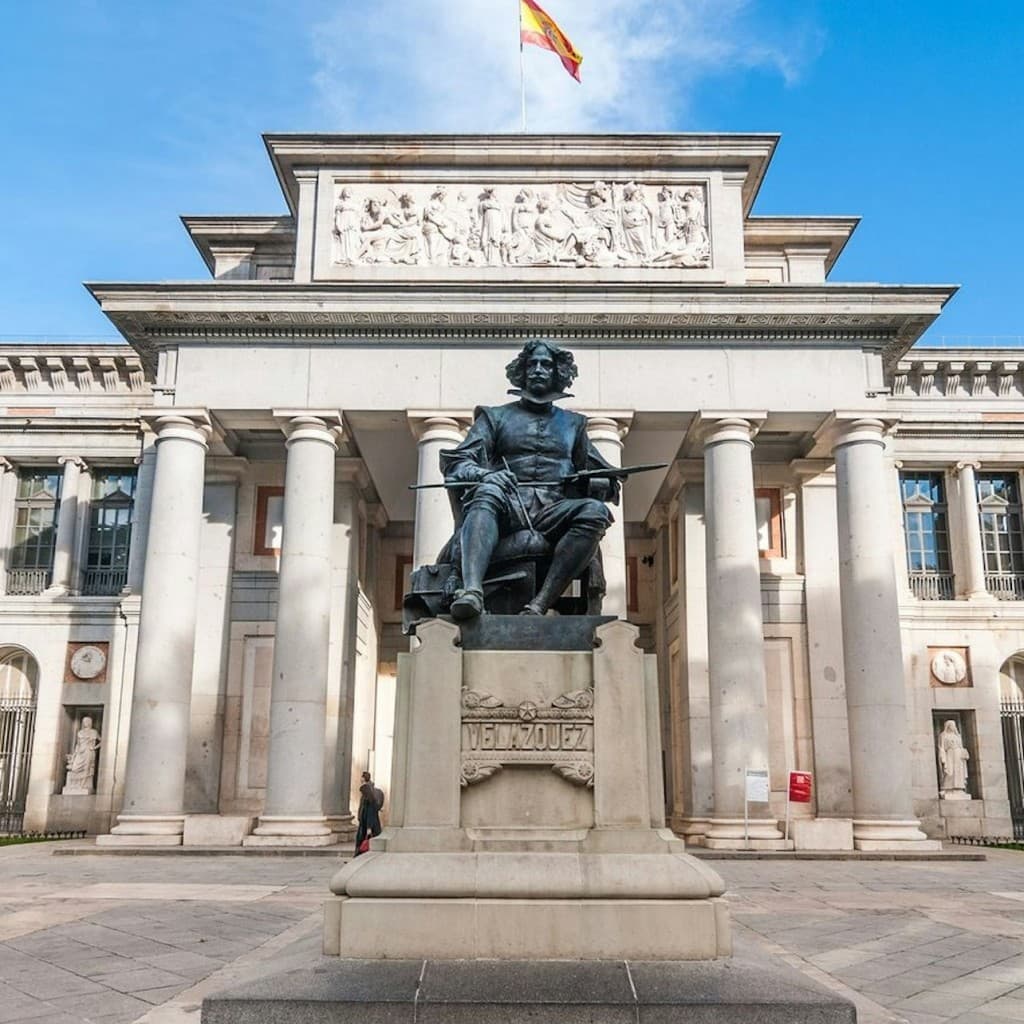
Prado Museum: Entry + Audio Guide App

Prado Museum: Fast Track Ticket + Small Group Guided Tour

Prado Museum: Entry Ticket

Prado Museum: Skip The Line Ticket + Guided Tour - Small-Group Tour in English

Prado Museum: Skip The Line Ticket + Guided Tour - Tour in Spanish

Prado Museum Ticket (Admission)

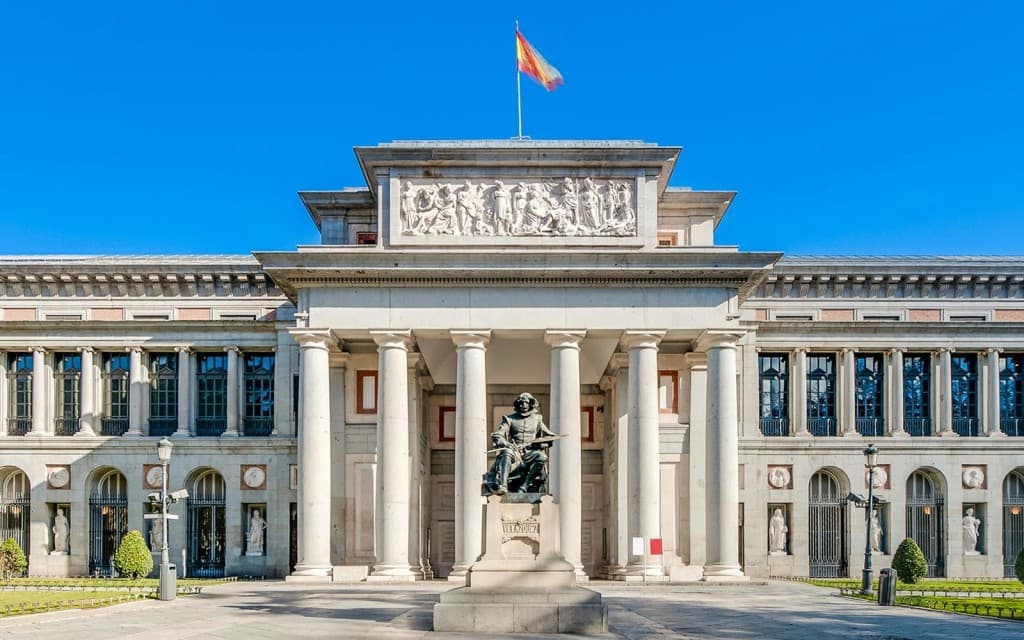
The Prado Museum stands as a pinnacle of art history, showcasing an extensive collection of European masterpieces. Located in the heart of Madrid, it draws art lovers from around the world eager to explore its renowned galleries. Visiting this iconic museum offers a chance to immerse oneself in centuries of artistic brilliance and cultural heritage. Step inside the Prado, and you'll be transported through time by breathtaking paintings, sculptures, and decorative arts. Its impressive architecture and serene gardens create a perfect setting for an enriching day of discovery, inspiring awe at every turn and fostering a deeper appreciation for European artistry.
What to Expect
Highlights
About Prado Museum
The Prado Museum, officially known as Museo Nacional del Prado, is Spain’s premier art museum and one of the finest in the world. Established in 1819, it houses an encyclopedic collection of European art from the 12th to the 19th centuries, including works by Velázquez, Goya, Titian, and Bosch. The museum's collection spans religious art, historical paintings, and classical sculptures, making it a comprehensive experience for visitors. The museum's layout features grand galleries and elegant halls, each dedicated to different periods and schools of art. Visitors can explore thematic sections, including Spanish masters, Italian Renaissance, and Dutch Golden Age. The building itself is a stunning example of neoclassical architecture, surrounded by lush gardens and courtyards that enhance the visitor experience. Its strategic location in Madrid’s renowned Paseo del Prado makes it easily accessible and an essential cultural stop for art enthusiasts.
Why Book Online?
Booking your tickets online guarantees skip-the-line access and ensures your spot during busy hours. It allows better planning of your visit, saving time and avoiding queues. Comparing options and securing instant confirmation make your experience seamless and stress-free, so you can focus on enjoying the art and culture within.
History
Founded in 1819 under King Ferdinand VII, the Prado Museum was originally intended to house the royal collection of art. Its building was designed by architect Juan de Villanueva, who envisioned a grand neoclassical space befitting the royal collection. Over the centuries, the museum expanded significantly, acquiring masterpieces through royal commissions, donations, and purchases. Notable enhancements include the addition of the Gingko Wing and the expansion of the sculpture courtyard. Throughout its history, the Prado has played a pivotal role in preserving Spain’s artistic heritage, especially during periods of political upheaval. Today, it continues to serve as a cultural beacon, attracting millions of visitors annually and remaining a vital institution for art scholarship and education.
Opening Hours
The Prado Museum typically opens from 10:00 AM to 8:00 PM, with extended hours on certain days. It is closed on Mondays and specific holidays; check current timings when planning your visit.
Best Time to Visit
The best times to visit are during weekday mornings or late afternoons to avoid crowds. Spring and fall seasons also provide pleasant weather for combined outdoor and indoor activities.
What to See Inside
Inside the Prado, explore multiple floors dedicated to different European art periods. Highlights include the Velázquez masterpieces in the central galleries, Goya's haunting black paintings, and Titian’s exquisite portraits. The museum also features temporary exhibitions, multimedia guides, and interactive displays that bring the artworks' stories to life. Make sure to visit the neoclassical staircase, the sculpture courtyard, and the beautiful library, which add to the museum’s grandeur.
Things to Know
Visitors should allocate sufficient time for a comprehensive visit. Photography may be restricted in certain areas, and large bags are often not permitted inside. Accessibility options are available for visitors with mobility impairments. It’s advisable to arrive early or purchase tickets in advance to avoid long queues.
Visitor Rules
Maintain respectful behavior, avoid touching artworks, and adhere to the museum’s photography policies. No smoking or eating inside galleries. Children should be supervised at all times to prevent damage to artworks.
Is It Worth Visiting?
A visit to the Prado is a must for art lovers and cultural explorers. It offers a unique opportunity to witness some of the most celebrated artworks in human history, making it an inspiring and educational experience you’ll remember for years to come.
Frequently Asked Questions
Most visitors spend around 2 to 3 hours exploring the main galleries, but you can extend your visit if you wish to see everything thoroughly.
Yes, various guided tours are offered, providing insightful commentary on the key artworks and the museum's history.
Yes, the museum provides accessibility services, including ramps, elevators, and wheelchairs upon request.
Photography is generally allowed without flash in most areas, but some special exhibitions may restrict photography.
Ticket prices vary; discounted rates are available for students, seniors, and children. Advance online booking offers the best deals.
Large bags and backpacks are usually not allowed inside and should be stored in the cloakroom.
While tickets can be purchased on-site, booking in advance guarantees entry and helps avoid long lines during peak times.
How to Get There
The museum is accessible via Madrid’s extensive metro system, with the Banco de España and Atocha stations nearby. It’s also within walking distance from other major attractions like Retiro Park and Plaza Mayor.