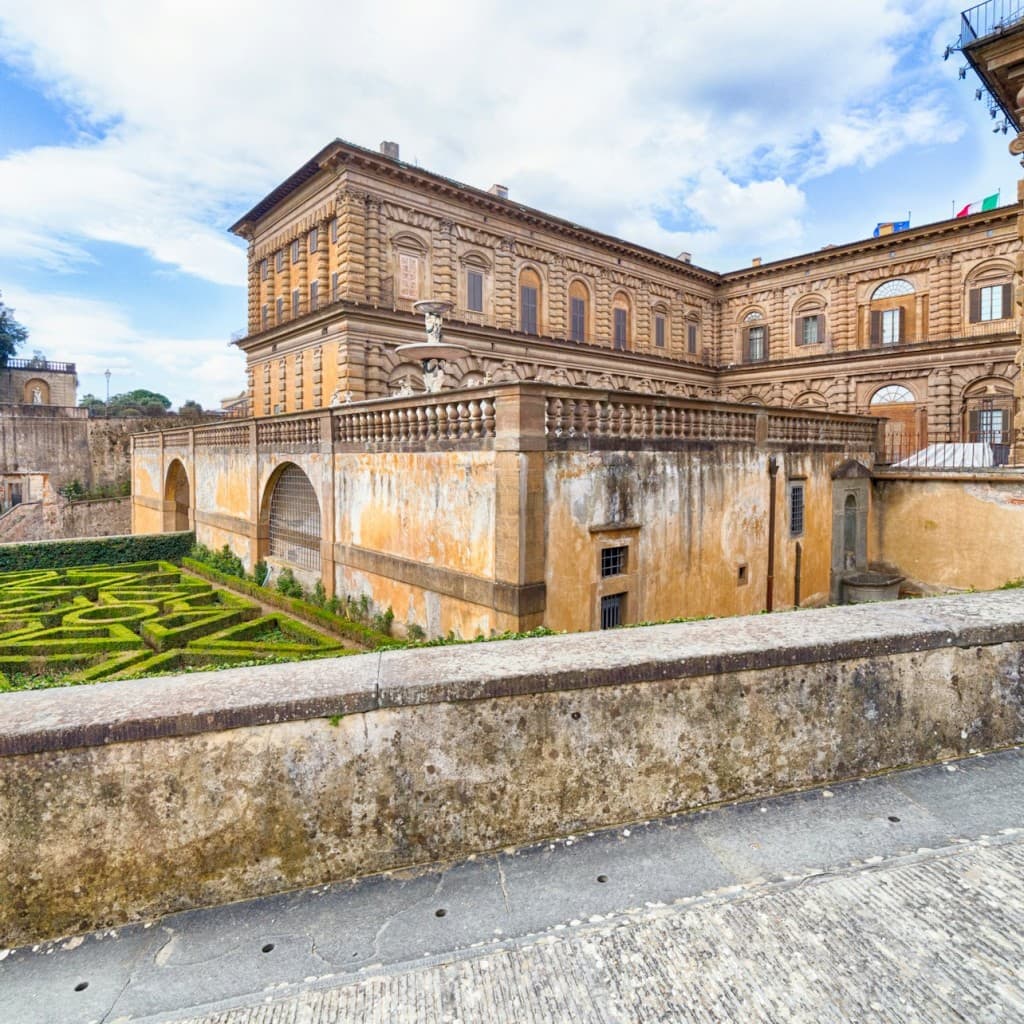
Palazzo Pitti & Palatine Gallery: Reserved Entrance + Audio Guide

Palazzo Pitti & Palatine Gallery: Reserved Entrance + Audio Guide
Pitti Palace, a magnificent Renaissance building in Florence, Italy, stands as a testament to Italy’s rich history and artistic legacy. Once the residence of the Medici family, it now hosts numerous museums and showcases an impressive collection of art and historical artifacts. Visiting this iconic site offers a unique glimpse into Italy’s aristocratic past and artistic heritage. Exploring the palace is more than just a tour; it's an immersive journey through centuries of culture, grandeur, and beauty. From ornate apartments to sprawling art collections, every corner of Pitti Palace tells a story. Whether you’re an art enthusiast or a history lover, the experience promises to be enlightening and inspiring, providing unforgettable memories of Florence’s regal past.
What to Expect
Highlights
About Pitti Palace
Pitti Palace, or Palazzo Pitti, is a vast Renaissance palace located on the south bank of the Arno River in Florence, Italy. Built in the 15th century for Luca Pitti, a wealthy Florentine banker, it was later acquired and expanded by the Medici family, transforming it into their main residence. Today, it is one of Florence’s most significant cultural landmarks, housing numerous galleries, museums, and galleries. The palace complex is composed of several historical structures, including the Boboli Gardens, which are among the most famous Italian gardens. Inside, visitors can explore a variety of art collections spanning from the Renaissance to the Baroque period, including works by Raphael, Titian, and Caravaggio. The palaces’ ornate apartments, royal chambers, and art corridors provide a comprehensive insight into Italy’s regal history and artistic evolution. Its extensive collection and stunning architecture make it a must-visit for art lovers and history enthusiasts alike.
Why Book Online?
Booking your tickets online for Pitti Palace ensures quick entry with skip-the-line privileges, saving you time. Guaranteed admission allows for better planning your visit, while comparing deals online helps you find the best options for an enriching and stress-free experience.
History
Constructed in 1457 for the Florentine banker Luca Pitti, the palace was later purchased by the Medici family in 1549. The Medici transformed it into their royal residence, expanding its size and embellishing its interiors with exquisite art collections. During the 18th and 19th centuries, the palace served as a residence for nobility and housed important museums. The impressive Boboli Gardens, created in the 16th century, became a signature feature, blending art, nature, and architecture. Today, the palace stands as a symbol of Florence’s artistic and historical grandeur, hosting renowned museums, galleries, and gardens that attract millions of visitors annually.
Opening Hours
Typically, Pitti Palace is open from morning to late afternoon, with specific hours varying by season and section. Some areas may close on certain holidays, so plan accordingly.
Best Time to Visit
Visit during spring or early fall for moderate crowds and pleasant weather, ensuring an enjoyable exploration of the palace and gardens.
What to See Inside
Inside Pitti Palace, you'll find a series of extraordinary museums and galleries. The Palatine Gallery houses renowned Renaissance artworks, while the Museum of Modern Art showcases 19th and 20th-century pieces. The Costume Gallery features historical clothing and textiles, offering insight into Florence’s fashion history. The Boboli Gardens, sprawling and lush, provide breathtaking views and sculptures that date back centuries. Each section offers a unique perspective on Florence’s artistic and cultural history, making the visit diverse and engaging.
Things to Know
Plan your visit ahead and check the opening hours of different sections. Audio guides and guided tours are available for a richer experience. Wear comfortable shoes, as exploring the expansive complex requires walking. Photography is permitted in some areas but restricted in others, so look out for signage.
Visitor Rules
Respect the artworks and exhibits by not touching or photographing where prohibited. Maintain silence in exhibition areas. Food and drink are not allowed inside the galleries. Use designated paths and avoid flash photography. Children should be supervised at all times.
Is It Worth Visiting?
A visit to Pitti Palace offers an unrivaled chance to immerse yourself in Renaissance art, history, and architecture. Its stunning galleries and beautiful gardens make it a truly enriching experience, ideal for art enthusiasts and history lovers seeking to explore Florence's regal past.
Frequently Asked Questions
Typically, a visit lasts about 2 to 3 hours, depending on your interest level and whether you explore all sections thoroughly.
Yes, guided tours and audio guides are available to enhance your experience and provide detailed insights into the artworks and history.
Visitors of all ages are welcome, though children should be supervised, and strollers are allowed in certain areas.
Photography is permitted in some areas but restricted in others to protect artworks. Flash photography is generally not allowed.
Casual attire is suitable, but comfortable shoes are recommended due to extensive walking. Respectful clothing is advised for interior visits.
Yes, the palace is equipped to accommodate visitors with mobility needs, but specific access points should be confirmed in advance.
Sections may close temporarily for maintenance or special events; check updates for specific closures before your visit.
How to Get There
Pitti Palace is accessible via Florence’s public transportation network, with tram and bus stops nearby. It’s also within walking distance from major city landmarks and the Florence train station.
Reviews (1)
It was great. Easy to follow and get to. Top notch!