Archaeological Park of Herculaneum Entry Ticket
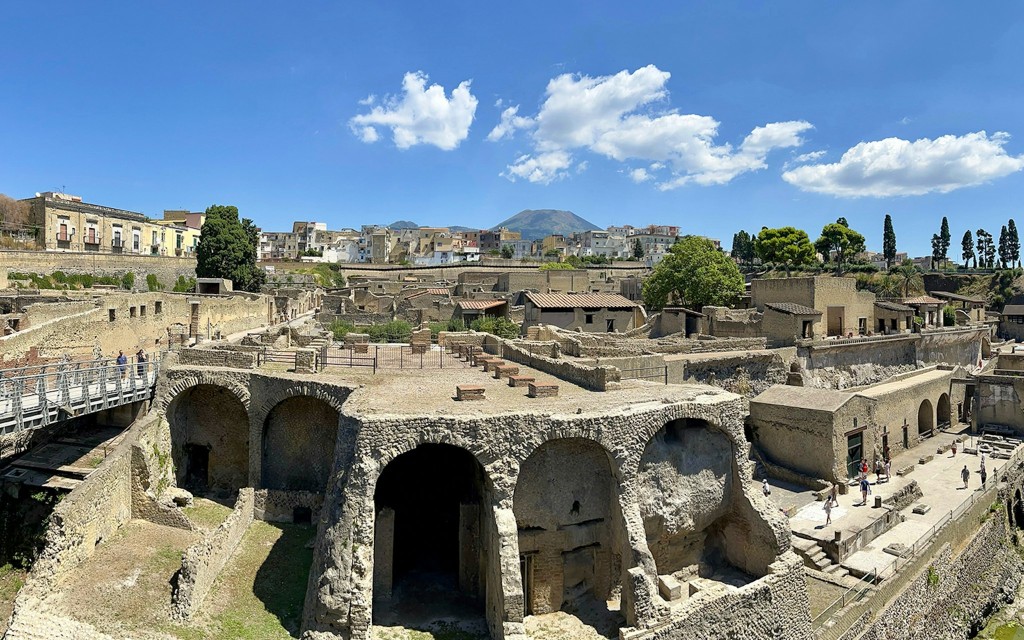
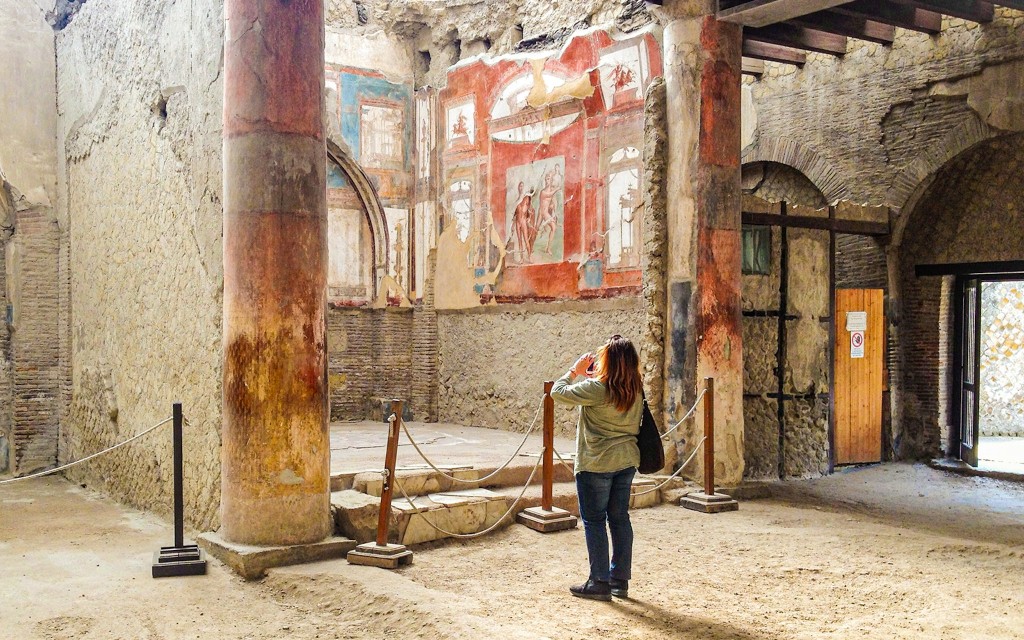
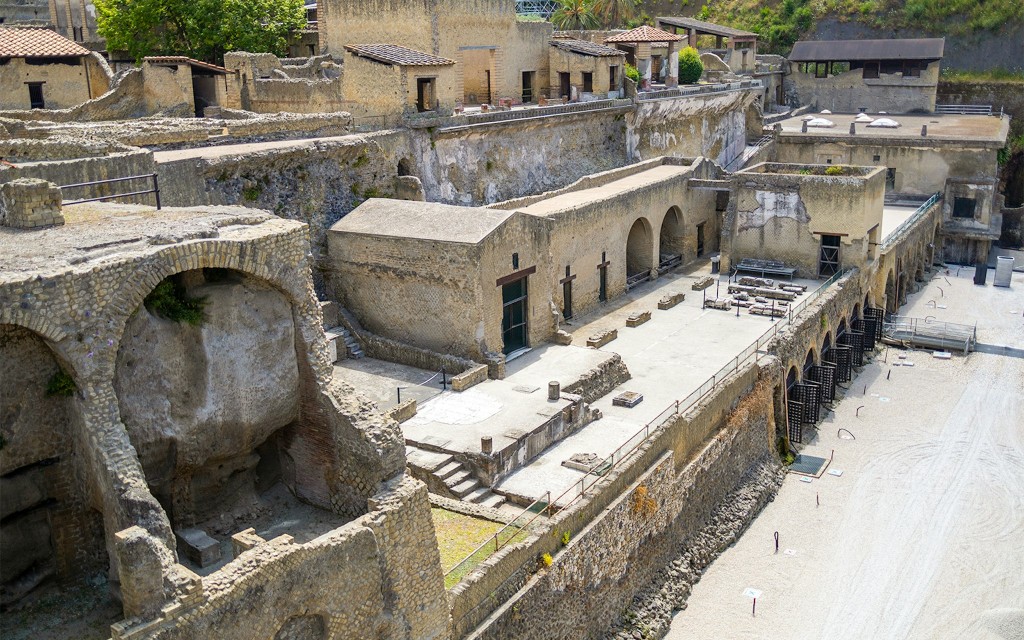
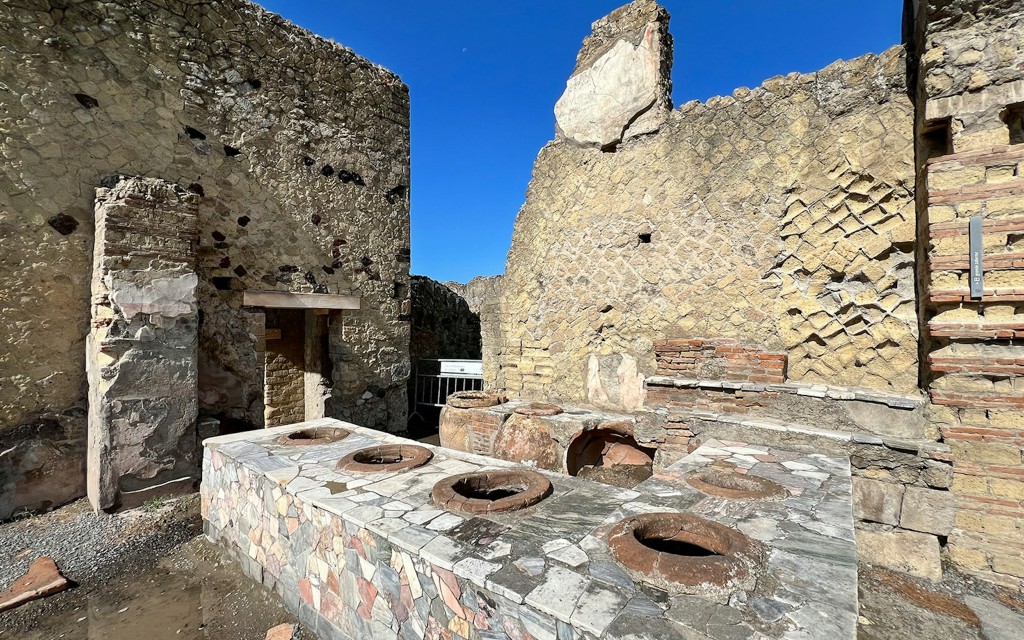


Explore the captivating ruins of Herculaneum, showcasing ancient homes, mosaics, and archaeological marvels that bring history vividly to life.
Discover the ancient Roman city of Herculaneum, an archaeological treasure that offers a glimpse into ancient life preserved by the eruption of Vesuvius. Stepping into this UNESCO World Heritage site transports visitors back in time, surrounded by well-preserved ruins, intricate mosaics, and ancient structures that tell stories of a thriving Roman community. The site’s unique preservation provides an unparalleled experience for history lovers and curious travelers alike. Walking through Herculaneum feels like an immersive journey into the past. Imagine exploring ancient villas, baths, and shops, feeling the history beneath your feet. The site offers a compelling mix of outdoor exploration and informative displays, making it a captivating experience for families, students, and history enthusiasts eager to understand Roman life before the catastrophe.
Casual, comfortable clothing suitable for warm weather is recommended. Wear sturdy walking shoes, as the terrain can be uneven and slippery.
Visit Herculaneum with an entry ticket—roam ancient streets, frescoed villas, baths, and the re‑opened volcanic beach on this UNESCO site.
Journey back nearly 2,000 years at the Archaeological Park of Herculaneum, a remarkably preserved Roman town frozen by the eruption of Mount Vesuvius in 79 AD. Stroll through well-preserved streets, homes, public baths, and frescoed interiors as you uncover daily life in ancient Italy. With informative onsite panels and optional audio guides, discover the architecture, artwork, and culture of Pompeii’s quieter neighbor—offering unparalleled insight into Roman civil planning and domestic living. Ideal for history lovers, archaeology enthusiasts, and cultural travelers.
The supplier will promptly send you an email with your entry ticket as soon as your reservation is confirmed.
It is not possible to skip the security lines. There could be a line at the entrance and is mandatory for all visitors.
What's Included
What's Excluded
Know Before You Go
Some areas may have limited accessibility. Please check the museum’s policies in advance if needed.
Photography is allowed in most areas but may be restricted in certain exhibits.
Follow all on-site health and safety guidelines.
Wear comfortable shoes, as the visit may involve walking and stairs.
Keep your ticket with you throughout your visit.
It is not possible to skip the security lines. There may be a line at the entrance, and security checks are mandatory for all visitors.
How It Works
After placing your order, you'll receive a confirmation email with your ticket(s). Please be sure to check your spam folder as well.
PLAN YOUR VISIT HOURS:
Daily Opening Hours:
Monday to Sunday: 10:00 AM to 6:00 PM (Last admission at 5:00 PM)
Important Note: Security checks are mandatory for all visitors and may require a short wait.
What to Bring
- Printed or mobile ticket
Important Information
You will receive your e-ticket in the booking confirmation email (see more under HOW IT WORKS). The e-ticket needs to be presented at the museum.
No animals are allowed.
No live guide or meeting point is provided.
Instructions
Receive Your Ticket
After booking, you’ll receive your entry ticket via email. Please check your spam folder/junk box as well.
Go Directly to the Entrance
Show your digital ticket at the entrance of each site. No need to queue for purchasing—just scan and enter.
Follow Site Rules
Respect each monument’s visiting hours, photography policies, and safety guidelines.
It is not possible to skip the security lines. There may be a line at the entrance, and security checks are mandatory for all visitors.
What to Expect
About Herculaneum Tickets, Tours & Visitor Information
Herculaneum is a well-preserved ancient Roman town buried by the eruption of Mount Vesuvius in 79 AD. Unlike Pompeii, Herculaneum was engulfed by hot pyroclastic flows that carbonized wood and organic materials, sealing the city in time. Today, it stands as a remarkable archaeological site showcasing Roman architecture, artwork, and everyday life. The site features excavated villas, theaters, baths, and workshops, all preserved under layers of volcanic material. Visitors can stroll along ancient streets, observe detailed frescoes, mosaic floors, and well-preserved wooden structures. Herculaneum’s layout and architecture reveal insights into Roman engineering and social organization. Its relative preservation allows for an immersive experience, revealing complex urban planning and domestic life. The site also includes modern visitor facilities and informative displays that enhance understanding of its history and significance. What makes Herculaneum truly special is the level of preservation and the story it tells about Roman civilization, providing a vivid and tangible connection to the past unlike many other archaeological sites.
Highlights
Why Book Online?
Booking your Herculaneum tickets online guarantees skip-the-line access, ensuring a smoother, more planned visit. Secure your spot in advance, avoid long queues, and enjoy instant confirmation. Plus, online booking allows you to compare ticket options and find the best deals for your visit, making your trip more convenient and budget-friendly.
History
Herculaneum was a thriving Roman town before its sudden burial in 79 AD due to the eruption of Mount Vesuvius. Unlike Pompeii, which was buried by ash and pumice, Herculaneum was enveloped in a series of pyroclastic flows that cemented buildings and organic materials in remarkable detail. The site was rediscovered in the 18th century, revealing well-preserved mosaics, furniture, and structures. Throughout the 20th century and ongoing excavations, archaeologists uncovered extensive remains that illustrate Roman urban life at its peak. Its preservation offers invaluable insights into architecture, domestic life, and social hierarchies during Pompeii’s era. Today, Herculaneum stands as a testament to ancient ingenuity and the unpredictability of nature, drawing scholars and visitors interested in uncovering the secrets of Roman civilization.
Opening Hours
The site generally opens daily from morning to late afternoon, with specific hours varying seasonally. It’s best to arrive early to avoid peak crowds. During peak season, extended hours may apply. The site occasionally closes for maintenance or special events, so planning ahead is recommended.
Best Time to Visit
Plan your visit during spring (April to June) or early autumn (September to October) when the weather is mild and the site is less crowded, providing an optimal experience.
What to See Inside
Inside Herculaneum, visitors can explore a variety of highlights across different sections of the ancient city. The House of the Deer features beautiful mosaics and intricate decorations. The Villa of the Papyri contains a famous library with scrolls, offering insights into Roman literature and philosophy. Walking through the Baths of Herculaneum, you experience Roman bathing culture firsthand. The Theater area reveals the entertainment life of the ancient inhabitants. Throughout the site, well-preserved frescoes and mosaics decorate private homes and public spaces, showcasing the artistic achievements of Roman artisans. Educational panels provide context about daily life, architecture, and the eruption's impact, enriching the visit and making it an inspiring journey through history.
Things to Know
Wear comfortable shoes suitable for uneven terrain, as exploring the site involves walking on ancient streetways and stairs. Bring water and sun protection during hot months. Photography is allowed, but flash may be restricted in some areas. Accessibility options vary, so check in advance if needed. Audio guides and guided tours are recommended for a richer experience.
Visitor Rules
Please do not touch or deface the ancient artifacts and structures. Maintain silence in sensitive areas to preserve the ambiance. Smoking and eating are prohibited within the archaeological zones. Follow designated paths and instructions from staff for safety and preservation.
Is It Worth Visiting?
Visiting Herculaneum offers an extraordinary window into ancient Roman life, preserved with incredible detail. Its archaeological richness and the well-preserved remains make it a compelling destination for history enthusiasts and travelers seeking a meaningful cultural experience. An exploration here connects you directly with the past, making it a truly worthwhile visit for anyone interested in ancient history and archaeology.
Frequently Asked Questions
Most visitors spend about 2 to 3 hours exploring the site thoroughly.
Yes, children can enjoy exploring the ruins, but strollers may be difficult on uneven paths. Guided tours can enhance their experience.
Yes, guided tours and audio guides are available to enrich your visit with detailed historical insights.
Photographs are generally allowed, but flash photography may be restricted in some sensitive areas.
Accessibility varies; some areas may be challenging to access. Check in advance for specific accommodations.
Take a train from Naples to Ercolano station, then walk or take a short bus or taxi ride to the archaeological site.
Spring and early autumn offer mild weather and fewer crowds, making these ideal times to visit.
How to Get There
Herculaneum is accessible by train from Naples to Ercolano station, followed by a short walk to the site. Public buses and taxis are also available for convenient access from nearby cities.
Casual, comfortable clothing suitable for warm weather is recommended. Wear sturdy walking shoes, as the terrain can be uneven and slippery.