Dachau Concentration Camp Memorial Site Tour (English Guided Tour)
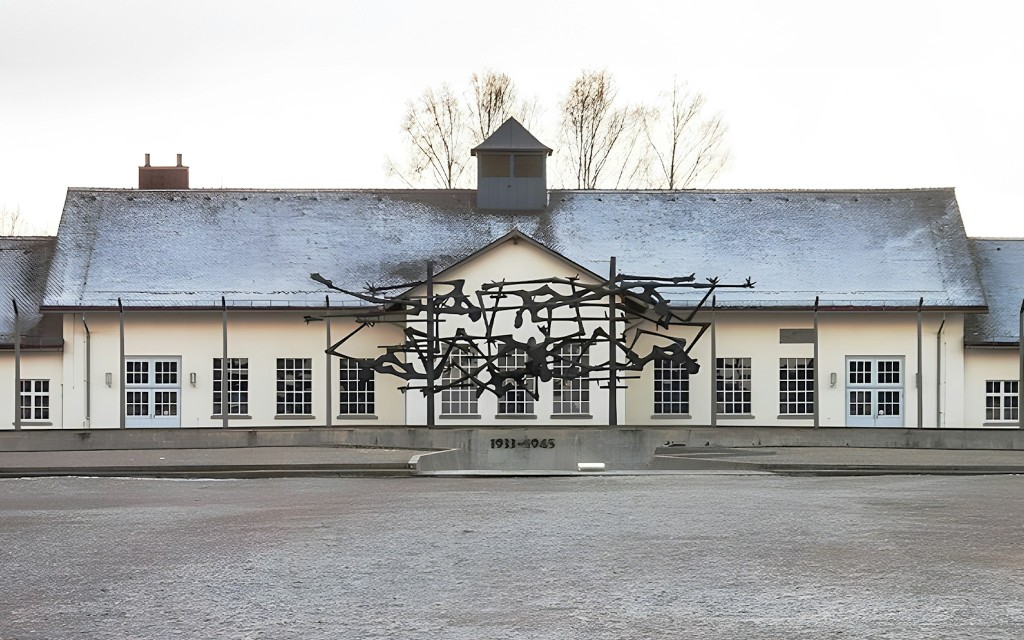
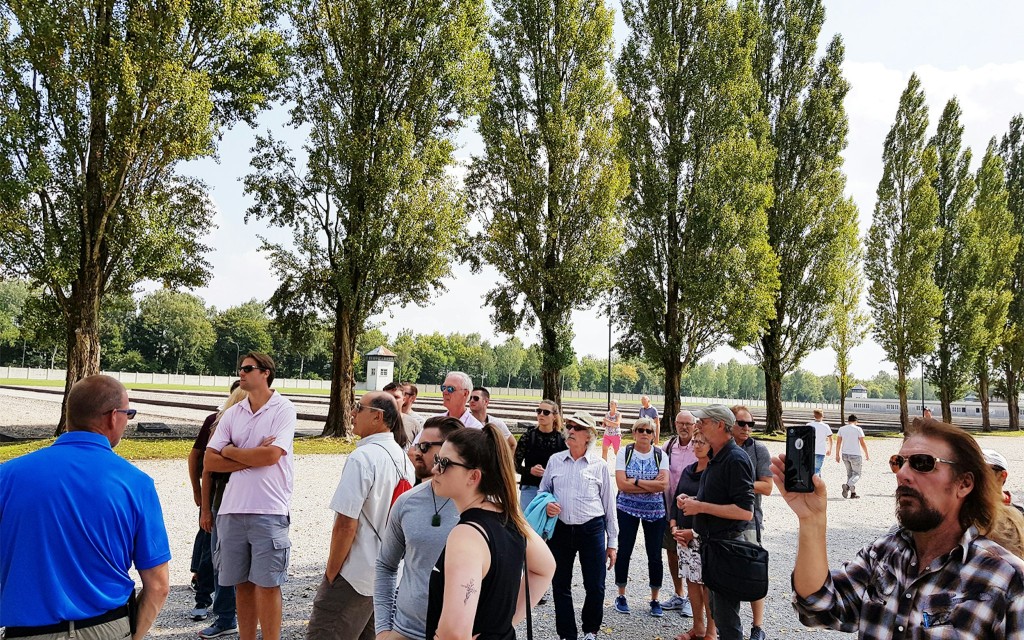
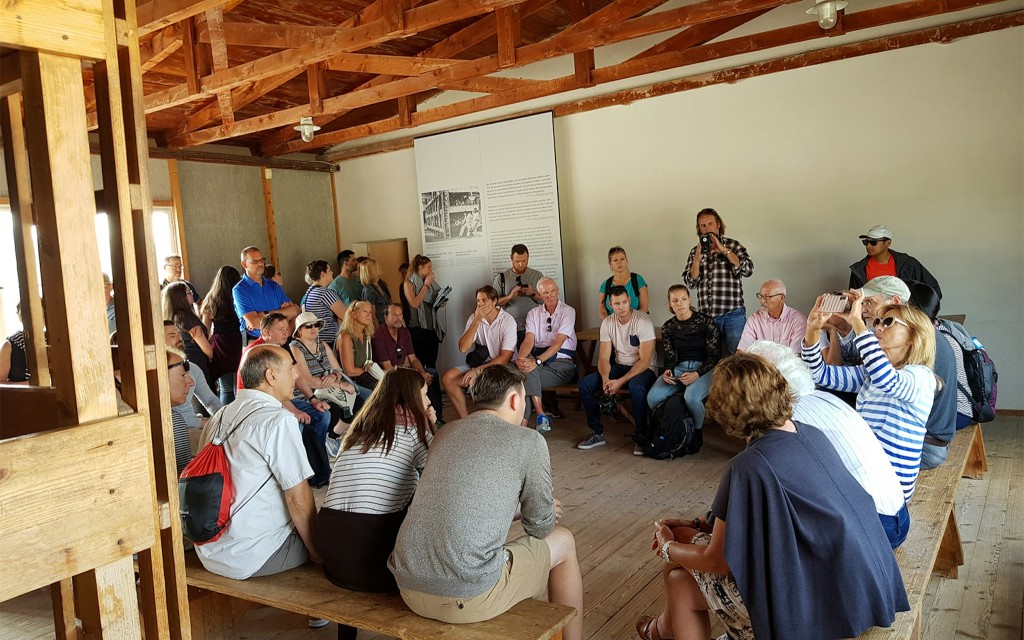
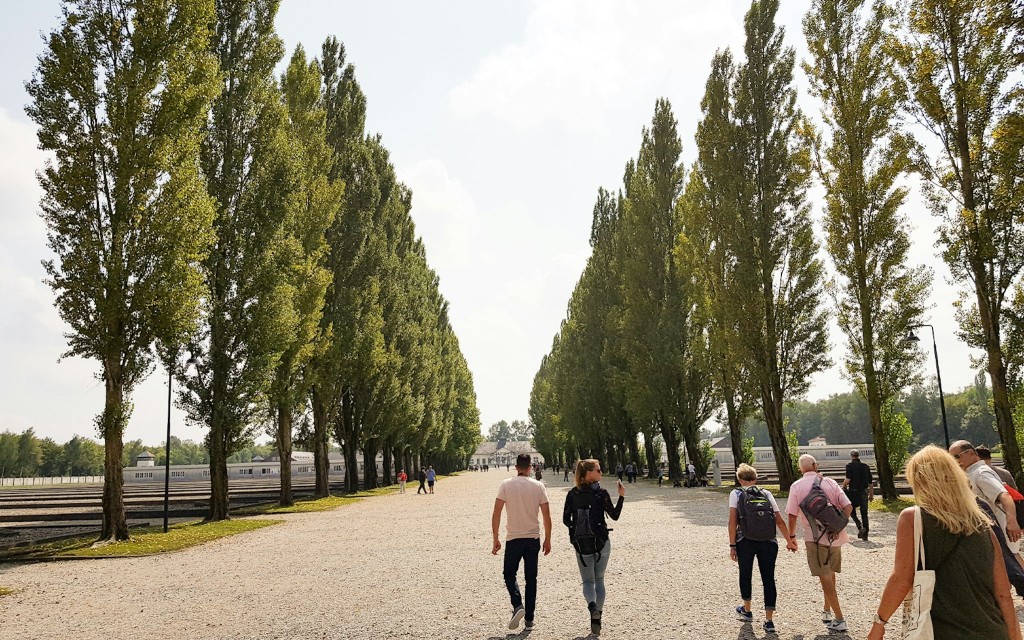


Capture meaningful moments of your visit at the memorial grounds and preserved structures, paying homage to history and remembrance.
The Dachau Concentration Camp Memorial stands as a powerful reminder of history's darkest chapters. Visiting this site offers a profound opportunity to reflect on the past and honor those who suffered there. Its preserved structures and informative exhibitions provide a deeply moving experience for all visitors. Exploring Dachau allows you to walk through history, understanding the atrocities committed and the resilience of the human spirit. The memorial's somber atmosphere invites contemplation and education, making it an essential stop for history enthusiasts and those seeking to remember the past to build a better future.
Wear comfortable, respectful clothing suitable for outdoor walking. No specific dress code is enforced, but modest attire is encouraged given the site’s solemn nature.
Your Experience
Learn about the History of the Nazi Reign in Germany
In the spring of 1933, the Dachau Concentration Camp was one of the first camps to be opened during the Nazi reign between 1933 and 1945. It has gone on to become one of the most widely recognized and resentfully remembered spots of Germany. The Dachau Concentration Camp Memorial was constructed with the goal of highlighting the barbaric acts of the German Third Reich. With more than 800,000 people visiting the memorial every year, it is one of the most popular tourist destinations in Munich. Your tour will begin from the Radius Tours Office or Marienplatz in Munich (as per the ticket option chosen). You will be taken to the memorial site by bus or train, and the transport will take approximately 45 minutes to 1 hour. Once you have reached the memorial site, you will be led through the concentration camp by your guide. The sprawling Jourhaus is the first thing that you will see, with the infamous words “Arbeit Macht Frei” which translates to “Work will set you free” etched on top.
A Glimpse Of The Past
You will garner several historical facts on your guided tour in English, and get an incredible insight into the history of Germany and Hitler’s dictatorship. The guides are specially trained and will convey these disconcerting topics with a great deal of sensitivity, and respect for the victims. At the same time, they are extremely knowledgeable, and there is no doubt that they will be able to answer most of your questions. You will go through the various sites of the memorial. You can see the roll call square, the barracks where the victims were forced to work, and the bunkers where they had to live in atrocious conditions. The gas chambers, where mass executions were carried out are sure to leave a chill down your spine, as your guides explain the procedure that was followed and talk about the thousands that were murdered there. The Dachau tour is thought-provoking and is an experience that you will never forget. There is no doubt that you will be deeply moved at the end of the 5-hour tour of this historic location.
What's Included
What's Excluded
Know Before You Go
** Important Information **
-
For entrance there is an additional fee of 15 € per adult, to be paid at our tour office when checking in for the tour.
-
If you wish to upgrade to the ticket with the boat ride, an additional fee of 23 € per adult must be paid directly at the tour office.
-
Children under the age of 14 are not allowed on this tour.
-
Food cannot be purchased or eaten on the Memorial grounds.
-
It is recommended that you bring water.
-
The tour will include a fair amount of walking, so please wear appropriate footwear and weather-appropriate clothing.
Timings
-
In the summer, from the 1st of April until the 31st of October, the tour will run on all days of the week. There will be departures at 9 AM and 12 PM.
-
In autumn/winter, from the 1st of November to the 30th of December, the tour will run on all days of the week. There will a departure at 9 AM. There will be no tours in the winter from the 10th of January to 31st of March.
-
The duration of the tour is approximately 5 hours.
Instructions
What to Expect
About Dachau Concentration Camp Memorial Tickets, Tours & Visitor Information
The Dachau Concentration Camp Memorial is a historic site that served as one of the first Nazi concentration camps opened in 1933. It functioned as a symbol of the Holocaust, where countless lives were persecuted and lost. Today, it stands as a memorial and museum dedicated to remembering the victims and educating future generations about the atrocities committed. The site features original prison structures, reconstructed areas, and extensive exhibitions that detail the camp’s history. Visitors can explore the prisoner quarters, the former crematorium, and the memorial grounds. The museum offers detailed displays, photographs, and testimonies that bring to life the stories of those who suffered here. Special guided tours and educational programs are available to deepen understanding and foster reflection. What makes Dachau unique is its preservation and the powerful way it commemorates the victims. It is a place for remembrance, learning, and ensuring that such horrors are never repeated. Its serene yet solemn environment provides an impactful space for reflection and education on the importance of tolerance and human rights.
Highlights
Why Book Online?
Booking your visit online guarantees quick entry and reserved tickets, allowing you to skip long lines. It ensures a smooth experience, better planning of your day, and access to exclusive deals or guided options, making your visit more meaningful and organized.
History
Dachau Concentration Camp was established in 1933 as the first Nazi concentration camp, marking the beginning of a dark era in history. Initially created to hold political opponents of the Nazi regime, it quickly expanded into a site of mass exterminations, forced labor, and human rights violations. Throughout its operation, Dachau became a model for other camps, demonstrating the brutal realities of the Holocaust. Over time, it evolved into a complex network of sub-camps, affecting thousands of inmates. When the Allies liberated Dachau in April 1945, they found a scene of profound suffering and destruction. Today, the site serves as a memorial dedicated to the victims and as a reminder of the importance of humanity’s vigilance against hatred and intolerance. Its preservation and educational programs strive to honor those who suffered and to promote awareness of human rights abuses.
Opening Hours
The memorial generally operates from morning until late afternoon hours, with slight variations seasonally. Some areas, including the exhibitions and memorial grounds, are open annually. Guided tours may be scheduled throughout the day. It is advised to arrive early to experience all sections comfortably.
Best Time to Visit
Visit during the cooler months of spring or autumn to avoid peak tourist periods and enjoy a more contemplative experience. Weekdays tend to be less crowded than weekends.
What to See Inside
Inside the Dachau Memorial, visitors will find a series of informative exhibitions and preserved structures. The main entrance leads to prisoners' barracks, courtrooms, and the reconstructed crematorium. The museum displays photographs, documents, and personal stories that illustrate the camp's history. An area dedicated to remembrance features memorials and a contemplative courtyard. Guided tours provide detailed insights into each section, enhancing the educational experience. The site encourages reflection on the past and its lessons for humanity.
Things to Know
Bring comfortable walking shoes and weather-appropriate clothing, as the site involves outdoor exploration. Audio guides and brochures are available in multiple languages. Respect the solemn atmosphere by maintaining a quiet tone and refraining from disruptive behavior. Photography is allowed but avoid flash or tripod use inside exhibits.
Visitor Rules
Please adhere to the site's guidelines; do not disturb or damage exhibits, keep noise levels respectful, and follow designated pathways. Littering and smoking are strictly prohibited. Remember to be respectful at memorial sites and during guided tours.
Is It Worth Visiting?
Visiting Dachau offers a profound educational experience and a chance to reflect on the resilience of the human spirit amid unimaginable suffering. Its historical significance makes it an essential destination for understanding the realities of the Holocaust, promoting tolerance, and honoring the memory of those who suffered. The site’s somber atmosphere and detailed exhibitions ensure a meaningful visit that leaves a lasting impression.
Frequently Asked Questions
The memorial generally opens daily during daylight hours, with specific times varying seasonally. Arrive early for a complete experience.
No, entry to the Dachau Memorial is free, but guided tours and educational programs may have fees.
Yes, guided tours are offered at scheduled times, providing detailed insights into the site’s history and significance.
Photographs are permitted in outdoor areas and certain exhibitions; flash and tripods are not allowed inside.
Yes, the memorial is equipped with accessibility features to accommodate visitors with mobility challenges.
Allocate at least 2-3 hours to explore all sections thoroughly and reflect at memorial sites.
Wear comfortable, weather-appropriate clothes suitable for outdoor walking and exploration.
How to Get There
Reach Dachau by S-Bahn from Munich, approximately a 30-minute ride. From the station, it's a short walk to the memorial site. Alternatively, local buses or taxis are available for direct access.
Wear comfortable, respectful clothing suitable for outdoor walking. No specific dress code is enforced, but modest attire is encouraged given the site’s solemn nature.