Bahia Palace, Saadian Tombs, Koutoubia and Souks Guided Tour (Guided Tour )


Discover the stunning exterior details and the majestic silhouette of the Koutoubia Mosque, a symbol of Marrakech’s historical charm and Islamic artistry.
The Koutoubia Mosque stands as an iconic symbol of Marrakech's rich history and spiritual heritage. Its towering minaret, visible from across the city, invites visitors to explore a significant religious landmark with centuries of history. The mosque's impressive architecture and tranquil courtyards offer a peaceful retreat amid the bustling medina. Visiting this sacred site provides a meaningful glimpse into Moroccan Islamic culture and history. Experiencing the Koutoubia Mosque is more than just sightseeing; it's an opportunity to immerse yourself in the vibrant atmosphere of Marrakech. While non-Muslims cannot enter the prayer halls, the mosque's stunning exterior, intricate details, and surrounding gardens create a captivating ambiance. Capture memorable photos, absorb the spiritual environment, and learn about its historical significance while exploring this architectural masterpiece.
Modest attire is required—cover shoulders and knees. Women are advised to wear scarves. Avoid tight or revealing clothing when visiting the mosque.
Your experience
Discover Marrakech’s royal legacy and sacred landmarks on a half-day guided walking tour covering the Koutoubia Mosque, Saadian Tombs, Bahia Palace, and more.
Getting started
Meet your guide near the Medina’s main entrance. After a short introduction and ticket check (if included), set out to explore the city’s rich history and timeless architecture.
What to expect
Koutoubia Mosque
Marvel at Marrakech’s largest mosque, famed for its elegant Almohad architecture and towering minaret crowned with copper globes.
Features:
-
Iconic Minaret: A 77-meter tower crowned with four copper globes.
-
Architectural Beauty: Classic Almohad design with intricate archways.
-
Peaceful Gardens: A quiet spot surrounding the mosque, ideal for photos.
Saadian Tombs
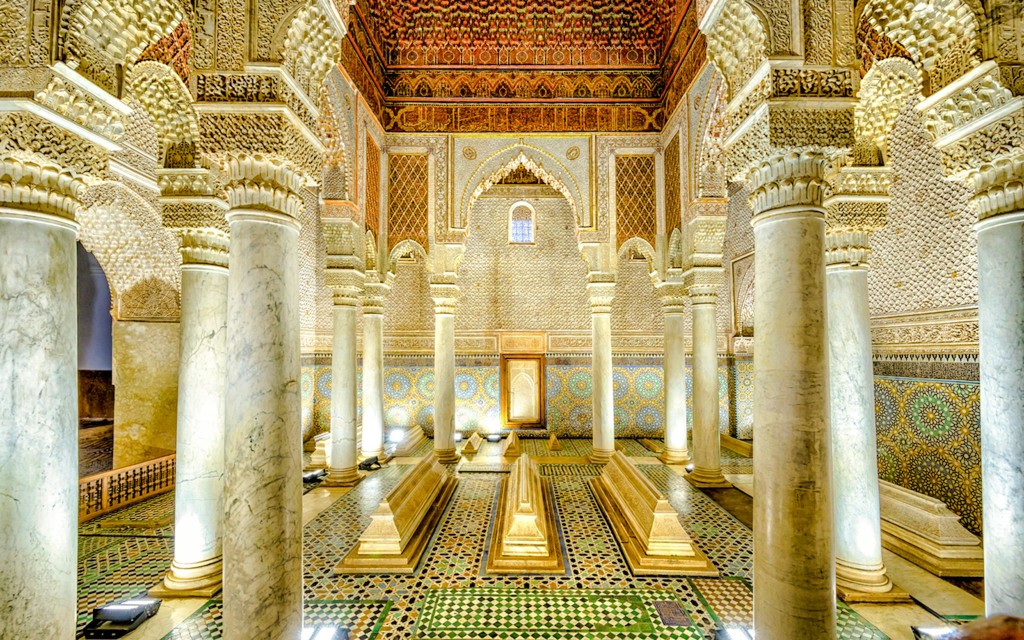
Step into this 16th-century royal necropolis, resting place of Sultan Ahmad al-Mansur and his dynasty, beautifully adorned with marble and stucco detail.
Features
-
Royal Resting Place: Burial site of Sultan Ahmad al-Mansur and his dynasty.
-
Ornate Design: Detailed marble, stucco, and cedar wood craftsmanship.
-
Historic Significance: One of the most beautiful remnants of the Saadian era.
Bahia Palace
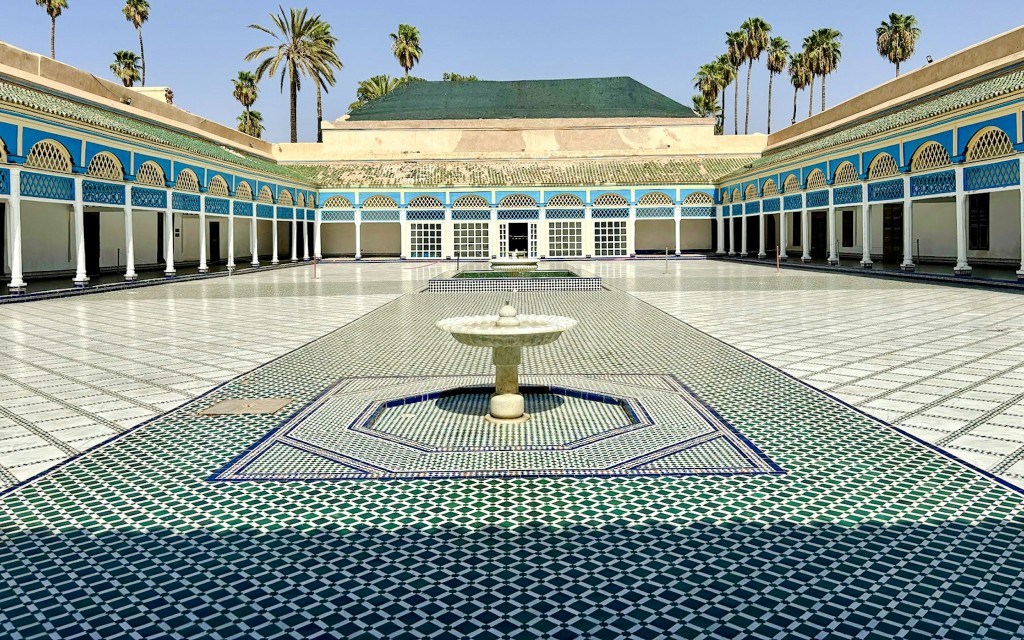
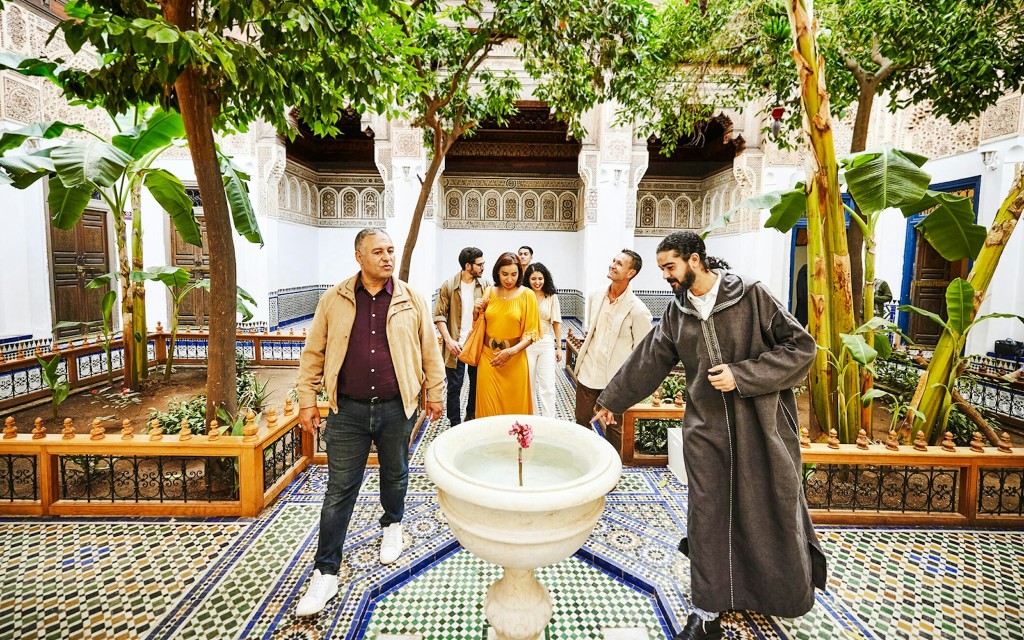
Wander through the 19th-century “Palace of the Beautiful,” where intricate tilework, painted ceilings, and marble floors reflect the splendor of Moroccan design.
Features:
-
Stunning Interiors: 160 rooms decorated with zellij tiles and carved wood.
-
Lush Courtyards: Andalusian-style gardens filled with orange trees and fountains.
-
Royal Grandeur: A vivid display of Moroccan artistry and opulence.
Jewish Mellah & Djemaa El Fna
If time permits, stroll through the historic Jewish quarter and end your tour amid the sights and sounds of Djemaa El Fna Square, Marrakech’s vibrant heart.
Features
-
Cultural Heritage: Glimpse old synagogues and traces of the Jewish community.
-
Bustling Energy: End your tour in Djemaa El Fna, surrounded by food stalls, storytellers, and local performers.
What's Included
What's Excluded
Know Before You Go
What to bring
-
Bring a valid photo ID to match the name on your booking if requested at the entrance.
-
Wear comfortable walking shoes, as the tour involves significant walking.
-
Dress appropriately for the weather and for visiting religious or cultural sites; modest attire is recommended.
What’s not allowed
-
Large bags, suitcases, and oversized luggage are not allowed during the tour.
-
Pets are not permitted, except for registered service animals.
-
Alcohol, drugs, and any form of intoxication are strictly prohibited on the tour.
-
Flash photography, tripods, and filming equipment may be restricted inside certain monuments.
Accessibility
- This experience is not wheelchair accessible.
Additional information
- Entrance fees to monuments are not included in all ticket options; please check your ticket details before arrival.
Instructions
What to Expect
About Koutoubia Mosque Tickets, Tours & Visitor Information
The Koutoubia Mosque, dating back to the 12th century, is Marrakech's largest and most renowned mosque. Originally built during the Almoravid dynasty, its name derives from the Arabic word for booksellers, referencing the bustling book markets that once thrived nearby. The mosque features a harmonious blend of Almohad architecture, characterized by its massive minaret, detailed tile work, and ornate decoration. The structure's minaret, standing approximately 77 meters tall, is a defining feature and an architectural marvel, visible from many parts of the city. Although the interior is reserved for Muslim worshippers, visitors can admire its stunning façade, intricate carvings, and decorative courtyards. The mosque is surrounded by lush gardens and public squares, offering a serene setting for reflection and photography. What makes the Koutoubia Mosques truly unique is its influence on Marrakech's cityscape and the way it embodies centuries of Moroccan religious and architectural history. Its striking silhouette against the skyline and its role as a spiritual hub make it a must-see for travelers interested in cultural heritage and Islamic art.
Highlights
Why Book Online?
Booking your visit online allows you to skip the queues and ensures guaranteed entry to the Koutoubia Mosque. It offers a smoother planning experience, enabling you to select the best time for your visit and compare different tour options for a deeper understanding of the site. Secure your tickets beforehand for a hassle-free experience amidst Marrakech’s busy medina.
History
Constructed in the 12th century under the Almohad Caliphate, the Koutoubia Mosque has served as a spiritual and architectural landmark for centuries. Its minaret, inspired by the Giralda of Seville, set a model for later Moroccan mosques, including the Hassan II Mosque in Casablanca. Over centuries, it has witnessed numerous historical events and continues to be a central element of Marrakech’s cultural identity. Despite restrictions on non-Muslim entry into the prayer hall, its external beauty and role as a city symbol make it a focal point for visitors seeking to understand Marrakech’s historical roots.
Opening Hours
The mosque is generally open during daylight hours, from early morning to late afternoon. Specific opening times may vary, and visits outside prayer times are recommended. Non-Muslim visitors are advised to visit outside of prayer times to ensure access to the exterior and surrounding areas.
Best Time to Visit
Visit during spring or autumn to enjoy mild weather and avoid peak tourist crowds. Early mornings or late afternoons provide the best lighting and fewer visitors.
What to See Inside
While non-Muslim visitors cannot enter the prayer hall, the mosque's exterior offers remarkable sights worth admiring. The towering minaret, decorated with traditional Moroccan tile mosaics and detailed carvings, is the highlight. Around the mosque, you can stroll through tranquil courtyards and lush gardens, observing the harmonious blend of Islamic architectural elements. The surrounding walls and entrance portals are also beautifully adorned with motifs and calligraphy, offering plenty of opportunities for photography. Nearby squares provide a lively atmosphere where artisans and locals gather, giving visitors a glimpse into daily life.
Things to Know
Visit early in the morning or late afternoon for the best experience. Dress modestly to respect local customs. Non-Muslim visitors are only allowed to view the exterior and surrounding gardens. Photography of the mosque's external architecture is encouraged, but interior photography is not permitted for non-Muslims. Be mindful of prayer times when planning your visit.
Visitor Rules
Respect prayer times and avoid walking through the prayer hall. Dress modestly, covering shoulders and knees. Silence and respectful behavior are expected within the mosque surroundings. Do not carry large bags or items into the mosque area.
Is It Worth Visiting?
The Koutoubia Mosque epitomizes Marrakech’s rich cultural and spiritual heritage. Its stunning architecture and historical significance make it an essential stop for travelers interested in Moroccan history and Islamic art. Visiting provides a peaceful escape in the city's vibrant medina, offering unique photo opportunities and a deeper understanding of local traditions.
Frequently Asked Questions
Non-Muslims cannot enter the prayer hall but can view the exterior, minaret, and surrounding gardens.
Early mornings and late afternoons offer soft natural light, ideal for capturing the mosque’s intricate details.
It’s a short walk through the medina; follow signs or ask locals for directions.
Yes, guided tours can enhance your understanding of the mosque’s history and architecture.
Dress modestly—cover shoulders and knees, and consider wearing a scarf.
There is no entrance fee for the exterior; access to the prayer hall is restricted to Muslims.
The minaret is a key architectural feature used for the call to prayer and symbolizes the mosque’s spiritual presence.
How to Get There
The mosque is within walking distance from central Marrakech and well-connected by local taxis and bus routes. From Jemaa el-Fnaa square, it's a short walk through the vibrant medina streets.
Modest attire is required—cover shoulders and knees. Women are advised to wear scarves. Avoid tight or revealing clothing when visiting the mosque.