Bahia Palace Skip-the-Line Guided Tour (Guided Tour)
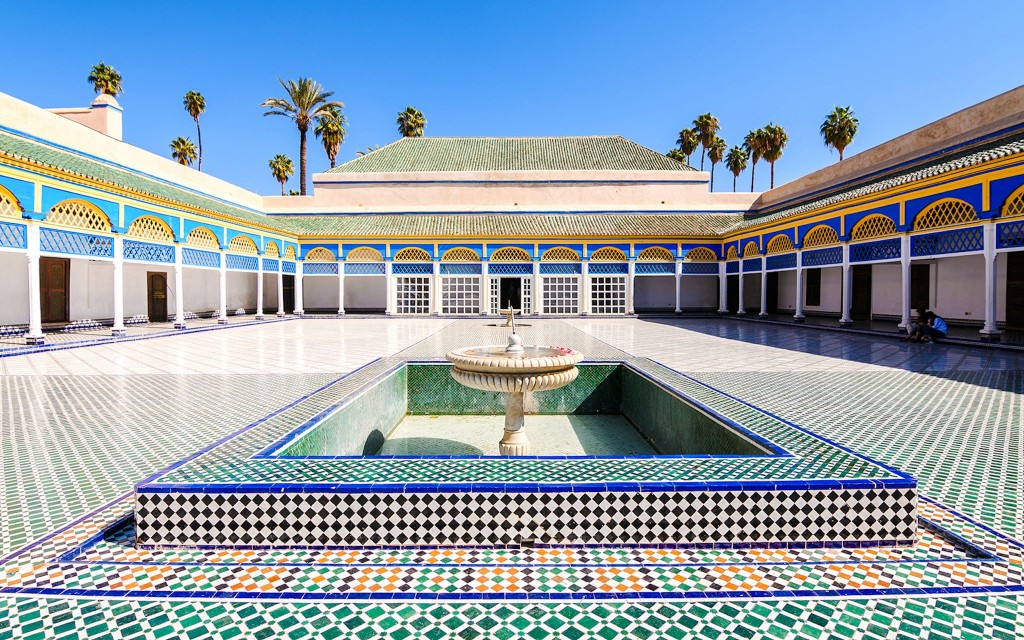
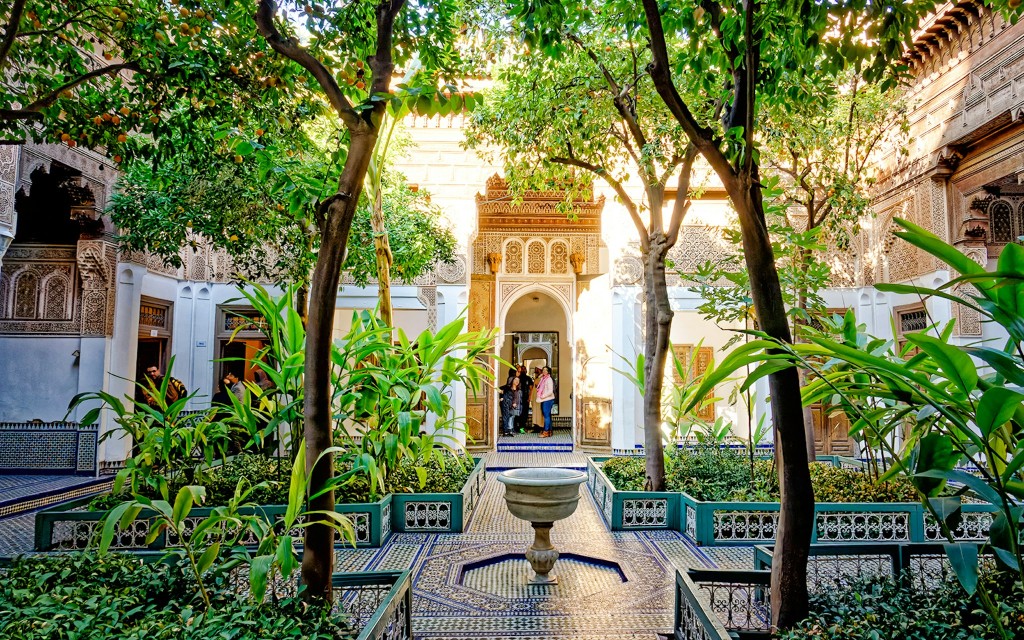
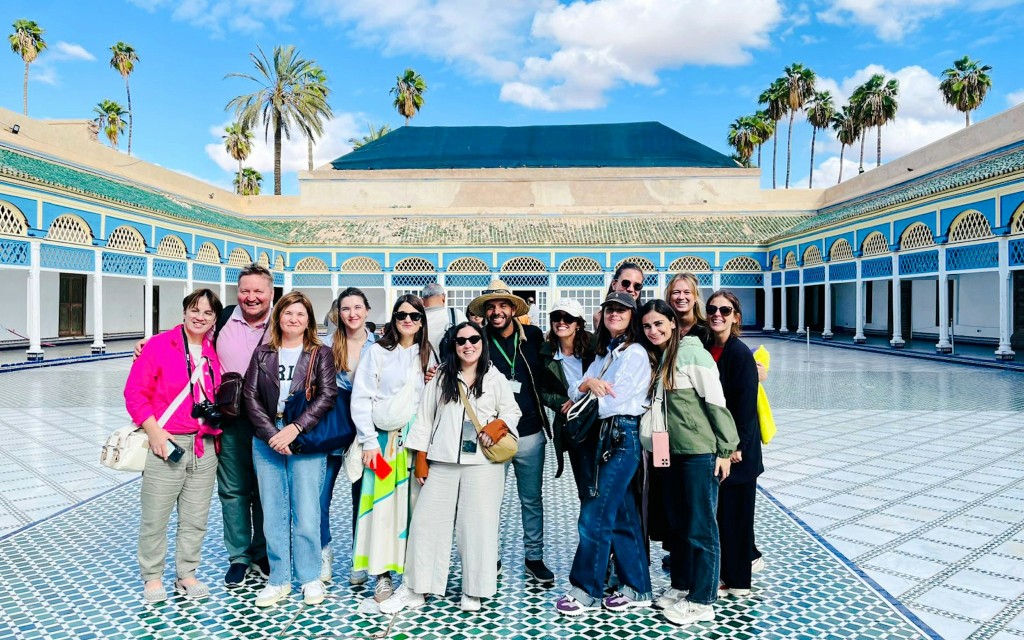
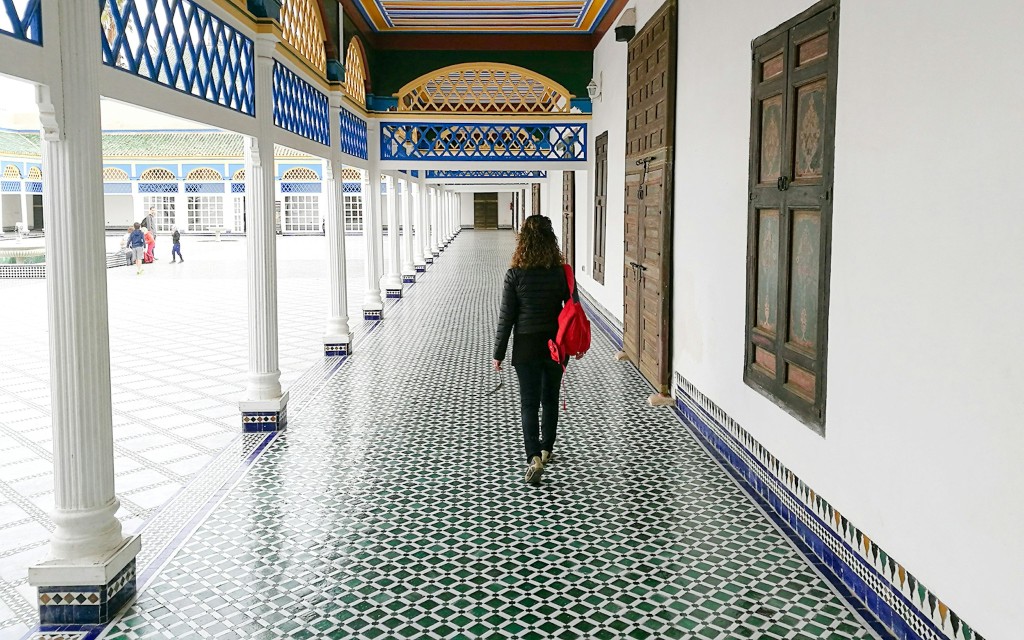


Capture breathtaking images of the ornate tile work, grand courtyards, and lush gardens—perfect for memories or sharing your Moroccan experience.
Step into the opulent world of Moroccan history at the Bahia Palace, a stunning example of 19th-century architecture and craftsmanship. This magnificent palace offers visitors a glimpse into Morocco’s royal past, showcasing intricate mosaics, lush gardens, and beautifully decorated rooms that tell stories of grandeur and elegance. Whether you're an architecture enthusiast or simply seeking an enchanting cultural experience, the Bahia Palace is a must-visit destination in Marrakech. Exploring the palace is like walking through a living museum, where every corner reveals exquisite artistry and captivating history. Imagine strolling through serene courtyards, ornate halls, and tranquil gardens, all while immersing yourself in the rich traditions of Morocco. A visit here will undoubtedly leave you inspired and enchanted, making it an experience you’ll cherish forever.
Modest clothing covering shoulders and knees is recommended when visiting the palace. Comfortable footwear is advised due to walking and uneven surfaces.
Your experience
Discover the grandeur of Marrakech’s Bahia Palace and its surrounding Medina with an expert local guide, uncovering royal history, Moorish artistry, and traces of the city’s diverse cultural legacy.
Getting started
After a short introduction and overview of the tour, you and your guide will set off on foot to explore one of Marrakech’s most celebrated landmarks, the Bahia Palace, and nearby historic quarters.
What to expect
Bahia Palace
Step inside the 19th-century Bahia Palace, once home to Morocco’s Grand Vizier. Wander through its opulent rooms and peaceful courtyards adorned with zellige tiles, carved cedar ceilings, marble columns**,** and lush Andalusian gardens that reflect the height of Moroccan craftsmanship. Learn how the palace became a symbol of power and beauty in Morocco’s royal era, as your guide shares stories of palace intrigue, architectural influences, and the artisans who brought its design to life. Continue to the nearby historic Jewish Square, where you’ll hear about Marrakech’s long-standing Jewish community and its contributions to the city’s trade, culture, and traditions. Enjoy a guided stroll through the labyrinthine Medina, discovering hidden corners, traditional workshops, and everyday life beyond the palace walls.
Features
-
Zellige tiles: Admire the colorful geometric tilework that decorates palace walls, floors, and fountains with remarkable precision.
-
Marble columns: Walk through elegant courtyards supported by finely carved marble columns that reflect Morocco’s royal artistry.
-
Mellah: Visit the historic Jewish Quarter and learn about the community’s enduring cultural and economic influence in Marrakech.
-
Jemaa el-Fna Square: End your journey in the city’s lively heart, surrounded by storytellers, market stalls, and the vibrant pulse of local life.
What's Included
What's Excluded
Know Before You Go
What to bring
- Carry your ticket or voucher for entry.
What’s not allowed
- Large bags and suitcases are not permitted inside.
Accessibility
- Accessibility is limited, so please confirm in advance if assistance is required.
Additional information
-
Dress modestly, as this is a cultural and historic site.
-
Follow any health and safety measures in place at the time of your visit.
Instructions
What to Expect
About Bahia Palace Tickets, Tours & Visitor Information
The Bahia Palace is a historic royal residence built in the late 19th century, designed to showcase Moroccan craftsmanship at its finest. It was constructed by Si Moussa, a former slave who became vizier to Sultan Moulay Hassan I, as a gift for his favorite concubine, Lalla Bahia. The palace complex features over 80 rooms, grand courtyards, lush gardens, and intricate tilework, reflecting the rich cultural heritage of Morocco. Visitors can explore various sections of the palace, including the ornate reception halls, private apartments, and peaceful gardens. Its architecture blends Moorish, Andalusian, and Moroccan styles, creating a harmonious and visually stunning environment. The gardens are beautifully landscaped with fountains, courtyards, and shaded terraces, offering a perfect spot for relaxation amid historical splendor. What makes the Bahia Palace truly unique is its exquisite detailing—decorative stuccoes, intricate woodwork, and colorful tiles—all preserved to showcase the grandeur of Moroccan royal life.
Highlights
Why Book Online?
Booking your tickets online guarantees fast, skip-the-line entry, ensuring you spend more time exploring and less waiting. It allows you to plan your visit with confidence, access exclusive deals, and compare options easily—all with instant confirmation for a seamless experience. Booking ahead helps you maximize your time at this iconic site.
History
Constructed in the late 19th century, the Bahia Palace was intended as a magnificent residence for the grand vizier and his family. Its name, 'Bahia,' meaning 'brilliance' or 'beauty,' reflects its exquisite design and ornate features. Over the years, the palace has witnessed significant historical events and transformations, remaining a symbol of Morocco’s rich royal heritage. Its architecture reflects a blend of Moorish, Andalusian, and Moroccan styles, showcasing the craftsmanship and artistic traditions of the region. After centuries of neglect, extensive restorations have brought the palace back to its former glory, allowing visitors today to marvel at its intricate details and historical significance.
Opening Hours
The palace typically opens daily from 8:30 AM to 5:00 PM, with last entry around 4:30 PM. It is closed on certain religious holidays, so plan accordingly. Guided tours are available upon request, providing detailed insights into its history and architecture.
Best Time to Visit
The best times to visit are spring (March to May) and autumn (September to November), when temperatures are comfortable and the weather is ideal for exploring outdoor spaces.
What to See Inside
Inside the Bahia Palace, you’ll encounter a series of beautifully decorated rooms, including the grand reception halls, private apartments, and living quarters. The intricate tile work, carved wood ceilings, and stuccoes are masterpieces of Moroccan craftsmanship. The palace's courtyards are adorned with fountains and lush greenery, offering tranquil spots for reflection. Don’t miss the ornate doorways and the restored royal chambers, which provide insight into royal life in 19th-century Morocco. Visitors can also explore secret passages, decorated patios, and serene gardens that surround the palace, creating an immersive cultural experience that captures the essence of Moroccan opulence.
Things to Know
Wear comfortable shoes as the marble and tile floors can be uneven. Photography is permitted, but flash and tripods are not allowed inside the rooms. The palace can be crowded during peak hours, so consider visiting early or late in the day for a more peaceful experience. Bring water and sun protection when visiting during hot months.
Visitor Rules
Respect the site and avoid touching or climbing on the delicate artworks. Keep noise levels to a minimum to maintain the serene atmosphere. No smoking or eating inside the rooms. Children should be supervised at all times. Photography is allowed but restricted in certain areas.
Is It Worth Visiting?
A visit to the Bahia Palace offers a captivating insight into Morocco’s royal history and exquisite craftsmanship. Its majestic architecture and lush gardens make it a highlight of Marrakech, perfect for cultural enrichment and memorable photos. Whether you're passionate about history, architecture, or simply seeking a tranquil retreat, this palace is a must-see that enriches your Moroccan experience.
Frequently Asked Questions
Yes, photography is permitted, but flash and tripods are not allowed in the interior rooms to preserve the artworks.
Plan for approximately 1.5 to 2 hours to explore the entire palace and surrounding gardens comfortably.
Yes, guided tours can be arranged to provide detailed insights into the history and architecture of the palace.
While efforts have been made to improve accessibility, some areas with uneven surfaces may pose challenges; contacting in advance is recommended.
The palace may be closed or have limited hours during certain religious holidays, so plan accordingly.
Yes, tickets can be purchased on-site, but booking online is recommended for faster entry and guaranteed availability.
Yes, modest dressing is advised, covering shoulders and knees to respect local customs.
How to Get There
The Bahia Palace is accessible via public transport, including buses and taxis. It’s within walking distance from central Marrakech, making it convenient for visitors staying in the city center.
Modest clothing covering shoulders and knees is recommended when visiting the palace. Comfortable footwear is advised due to walking and uneven surfaces.