Kyoto: Tea Ceremony & Matcha-Making Experience near Kinkaku-ji (Optional Kimono) (Tea Ceremony Experience with Kimono Dressing)


Capture stunning images of the Golden Pavilion and its surroundings. The site provides numerous scenic viewpoints showcasing its luminous exterior and tranquil garden setting.
Kinkaku-ji, also known as the Golden Pavilion, is one of Kyoto's most iconic landmarks. Its stunning golden exterior reflects beautifully on the surrounding pond, creating a mesmerizing sight that captures the essence of Japanese Zen aesthetics. Visiting this UNESCO World Heritage site offers a peaceful escape into nature and history, providing a unique glimpse into Japan's cultural heritage. Whether you're a history enthusiast, photographer, or traveler seeking serenity, Kinkaku-ji promises an unforgettable experience. Walking through its meticulously maintained gardens and viewing the pavilion from different angles allows visitors to appreciate its intricate beauty and tranquil surroundings. The reflective pond amplifies the golden glow, especially during sunrise and sunset, making it a photographer’s paradise. Experiencing Kinkaku-ji builds a deeper appreciation for Japanese art, architecture, and spiritual tradition, leaving visitors with lasting memories of Kyoto's timeless charm.
Dress modestly and comfortably; avoid revealing clothing. Good walking shoes are recommended due to uneven terrain. Consider weather conditions, especially if visiting during rain or cold seasons.
Your experience
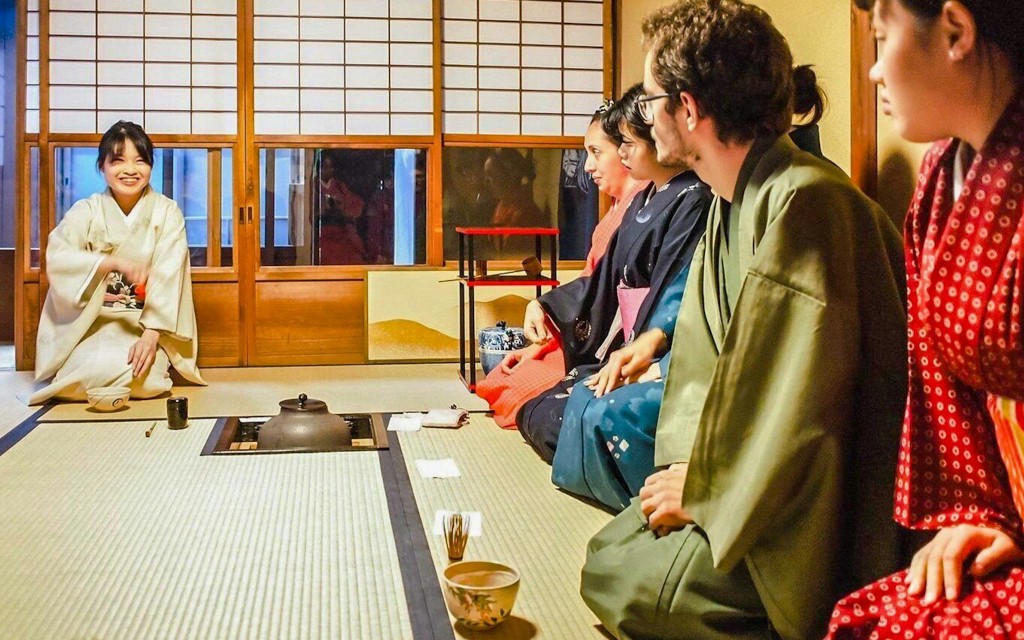
Step into Kyoto’s tea culture through a 45-minute shared tea ceremony held near Kinkaku-ji. Conducted in English, this session allows you to actively participate as a guest while learning the refined customs and etiquette of the Japanese tea tradition.
Getting started
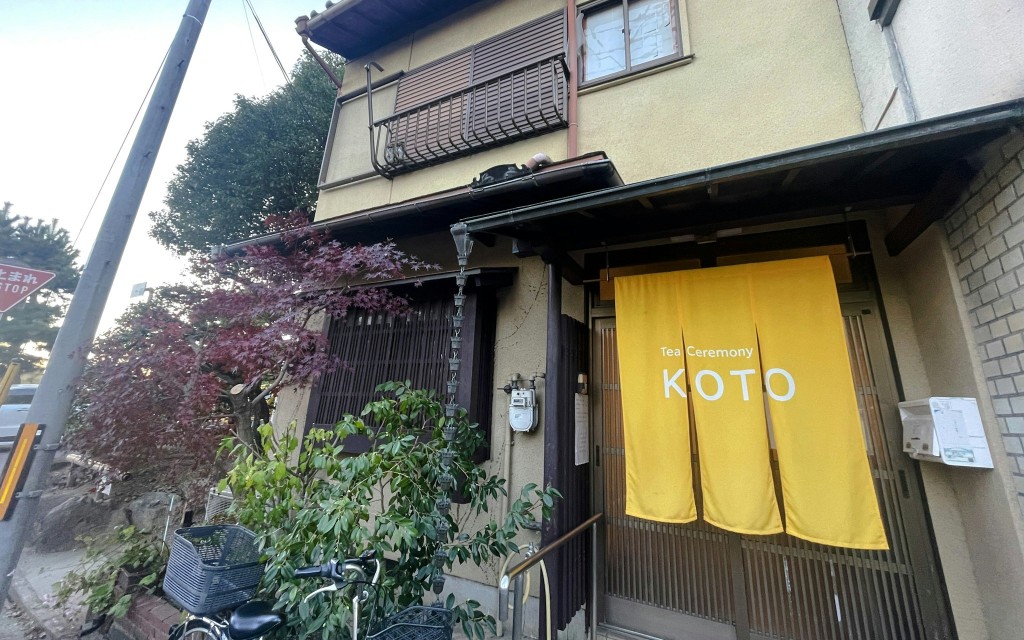
Arrive at the tea house before your scheduled time and present your booking confirmation. After a brief introduction to tea ceremony etiquette, you’ll enter the tatami-lined room where the session takes place.
What to expect
Tea Ceremony experience
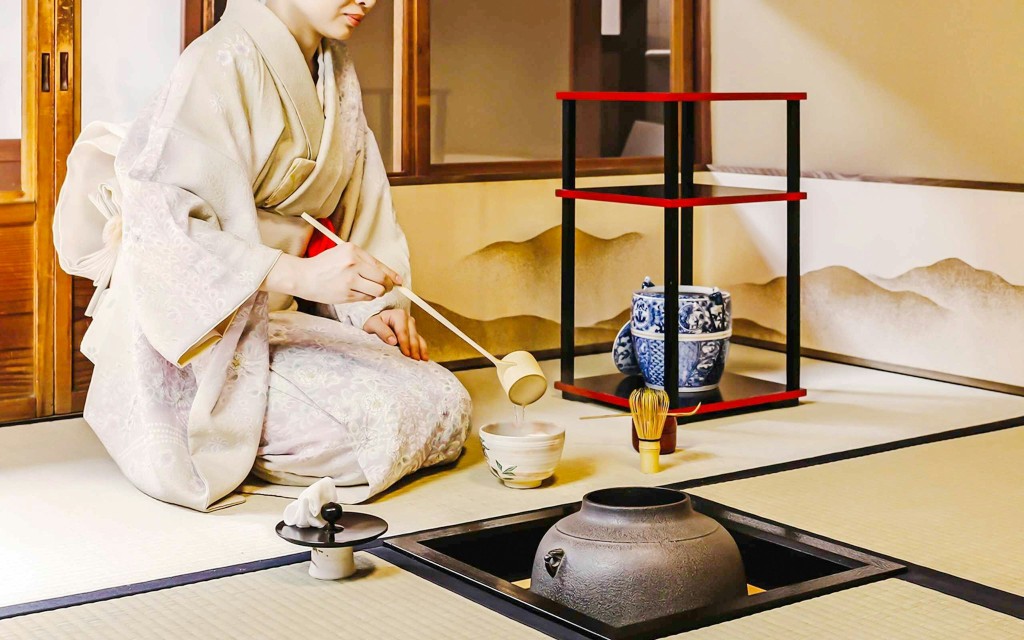
Experience an authentic Japanese tea ceremony led by an experienced instructor — known for preserving one of Japan’s most respected tea traditions.
Features
-
Learn how to handle the tea bowl properly as a guest
-
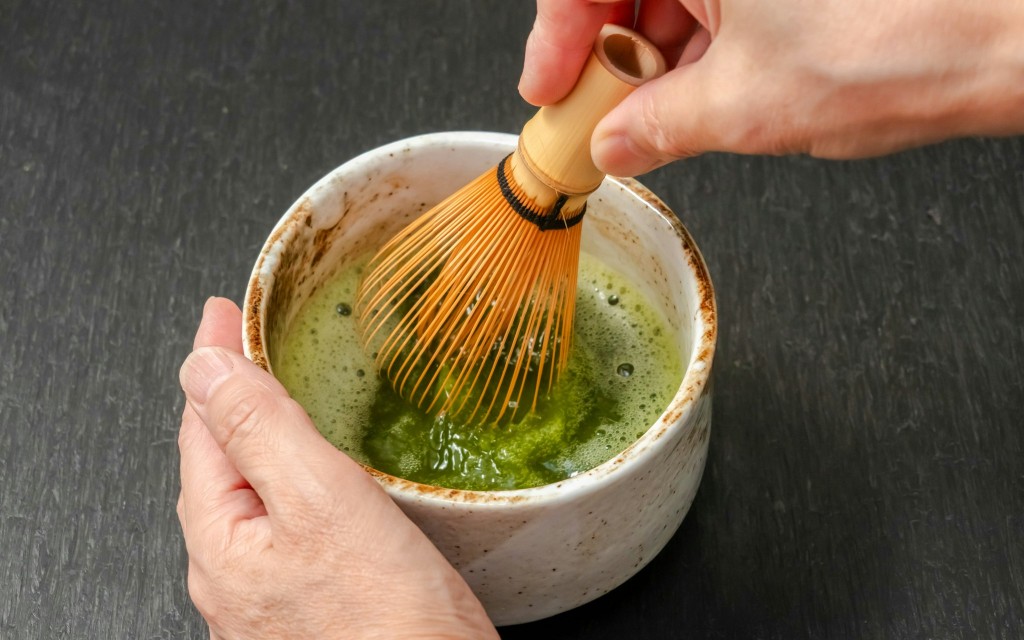
Prepare and whisk matcha using traditional utensils
-
Observe the movements and sequence that define the ceremony
-
Experience the quiet, respectful atmosphere of a traditional tea room
Upgrades
Enhance your experience by choosing the kimono upgrade — wear elegant Japanese attire during the ceremony and capture memorable photos throughout the house.
What's Included
Know Before You Go
What to bring
-
Please bring your booking confirmation, either in digital or printed form, to present upon arrival.
-
You must wear socks, as shoes are not permitted inside the tatami tea room.
What’s not allowed
-
Guests must not engage in loud conversations or disruptive behaviour, as the tea ceremony requires a quiet and respectful atmosphere.
-
Guests who arrive late beyond their scheduled session time may not be accommodated.
Accessibility
- Chairs are available for guests who are unable to sit on tatami mats, but you should inform the instructor in advance if you require one.
Additional information
-
This is a shared tea ceremony experience conducted with other participants.
-
The seating capacity may reach approximately 13 guests during high season.
-
The tea room requires a calm and quiet atmosphere throughout the session.
-
If small children become disruptive during the ceremony, guests may be asked to step outside in order to maintain the setting.
-
Guests who select the kimono option must arrive at least 20 minutes before the session begins for dressing.
-
For children under 7–8 years old who select the kimono option, a yukata will be provided instead of a kimono.
-
The kimono option requires a minimum booking of two guests.
Instructions
What to Expect
About Kinkaku-ji (Golden Pavilion) Tickets, Tours & Visitor Information
Kinkaku-ji, officially called Rokuon-ji, is a Zen Buddhist temple in Kyoto famed for its stunning top two floors covered entirely in gold leaf. Originally built in the 14th century as a retirement villa for shogun Ashikaga Yoshimitsu, it was later converted into a temple. The temple’s architecture harmoniously blends Zen principles with elegant design, creating a serene atmosphere that attracts millions of visitors annually. The site features the iconic Golden Pavilion, set amidst meticulously landscaped gardens, ponds, and walking paths. Visitors enjoy exploring the different viewing platforms, each offering unique perspectives of the pavilion's shimmering exterior and the surrounding nature. Inside, the temple houses Buddhist relics and art, adding spiritual depth to the visit. The gardens are designed to symbolize tranquility, reflecting the pavilion's architecture and the natural environment. Unique to Kinkaku-ji is its history of reconstruction after a fire in 1950, symbolizing resilience and cultural preservation. The site embodies a perfect fusion of historical significance, spiritual ambiance, and aesthetic beauty, making it a must-see cultural treasure in Japan.
Highlights
Why Book Online?
Booking your Kinkaku-ji tickets online guarantees skip-the-line access, ensuring a stress-free visit. You’ll enjoy guaranteed entry during peak times and can better plan your day by comparing available tours and packages. Secure your spot instantly and avoid the hassle of long lines or sold-out days, making your trip smoother and more enjoyable.
History
Constructed in 1397, Kinkaku-ji originally served as the retirement villa of shogun Ashikaga Yoshimitsu. After his death, it was transformed into a Zen temple and has since become a symbol of Kyoto’s cultural heritage. The pavilion's gold leaf exterior was added during the 20th century, enhancing its iconic appearance. The temple complex endured destruction by arson in 1950, but was meticulously rebuilt to preserve its historical accuracy. Throughout centuries, Kinkaku-ji has been admired for its impeccable architecture, spiritual significance, and stunning location on the mirror-like pond, reflecting its gold façade and the lush surroundings. It remains one of Japan’s most visited and beloved cultural symbols, embodying centuries of history, art, and Zen philosophy.
Opening Hours
Kinkaku-ji generally operates from around 9:00 AM to 5:00 PM, with last entry around 4:30 PM. Hours may vary seasonally, and special events can affect opening times. It is recommended to arrive early to enjoy your visit without crowds.
Best Time to Visit
Visit during early mornings or late afternoons for fewer crowds and optimal lighting. Spring (March to May) and autumn (October to November) offer the most picturesque scenery.
What to See Inside
Inside Kinkaku-ji, visitors can view the pavilion from multiple angles, each offering unique photographic opportunities. The interior houses Buddhist relics and artworks, reflecting its spiritual significance. The surrounding gardens and reflecting pond enhance the tranquil atmosphere, making it a perfect spot for reflection and nature appreciation. The gardens include walking paths, stone bridges, and moss-covered grounds that embody classic Japanese landscape design. Viewing platforms provide expansive views of the pavilion's shimmering gold leaf exterior and the lush environment, creating a harmonious blend of architecture and nature.
Things to Know
Wear comfortable shoes as you will walk on uneven paths and gardens. Photography is allowed outside but restrictions may apply inside the pavilion. Visiting during off-peak hours can enhance your experience by reducing crowds. Be respectful of the peaceful atmosphere and avoid loud noises.
Visitor Rules
Please do not touch or climb on the structures. Stay on designated paths. No eating or drinking inside the temple premises. Refrain from flash photography. Maintain silence in sacred areas to respect other visitors.
Is It Worth Visiting?
A visit to Kinkaku-ji offers a rare opportunity to witness Japan’s architectural elegance, spiritual ambiance, and natural beauty in one breathtaking site. Its iconic golden exterior and tranquil surroundings make it a memorable destination for travelers seeking cultural enrichment and scenic serenity. Exploring this UNESCO World Heritage site provides a deep connection to Japanese heritage and Zen principles, making it a truly worthwhile experience.
Frequently Asked Questions
Spring and autumn are the best seasons to experience vibrant foliage and mild weather, ideal for sightseeing and photography.
Allocate around 1 to 2 hours to explore the gardens, take photos, and enjoy the peaceful atmosphere.
Yes, guided tours are available and can enhance your understanding of the site's history and architecture.
Photography is generally permitted outside but may be restricted inside to preserve the artifacts and spiritual environment.
The grounds are wheelchair accessible, but some pathways may be uneven. Assistance might be necessary in certain areas.
Yes, a modest entrance fee applies, which helps with maintenance and preservation efforts.
Special event days or seasonal renovations may affect access; it's best to check updated schedules before planning your visit.
How to Get There
Take a bus or train to Kita-Kyoto Station, then enjoy a short bus ride to Kinkaku-ji. Walking from the bus stop to the pavilion takes around 10 minutes through scenic streets and gardens.
Dress modestly and comfortably; avoid revealing clothing. Good walking shoes are recommended due to uneven terrain. Consider weather conditions, especially if visiting during rain or cold seasons.