Kyoto's Top Temples Guided Tour: Fushimi Inari, Kiyomizu-dera & Kinkaku-ji from Osaka/Kyoto (From Osaka: Hotel Pick-Up)
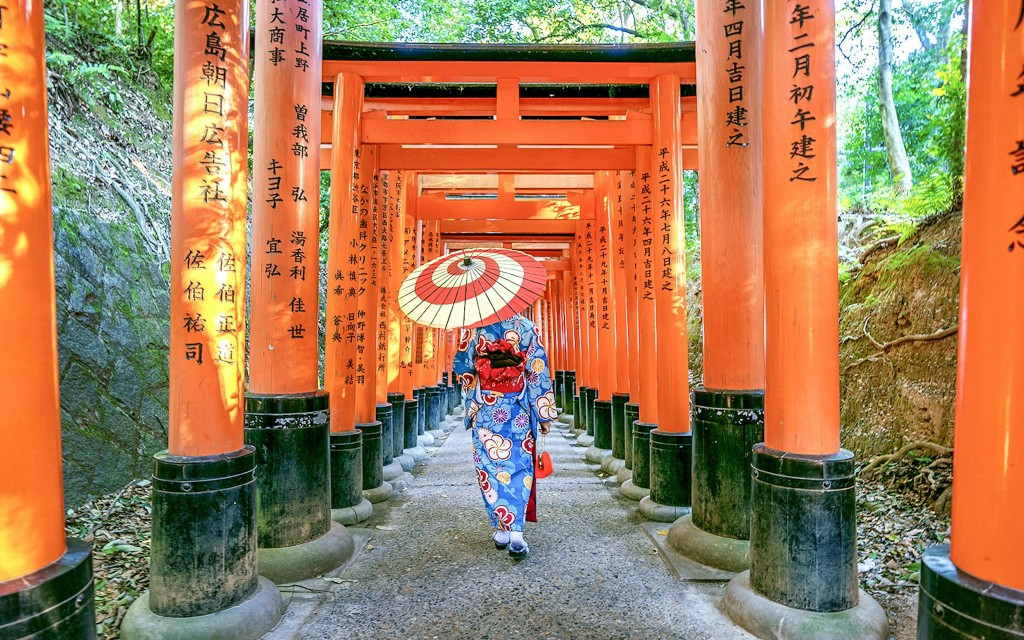
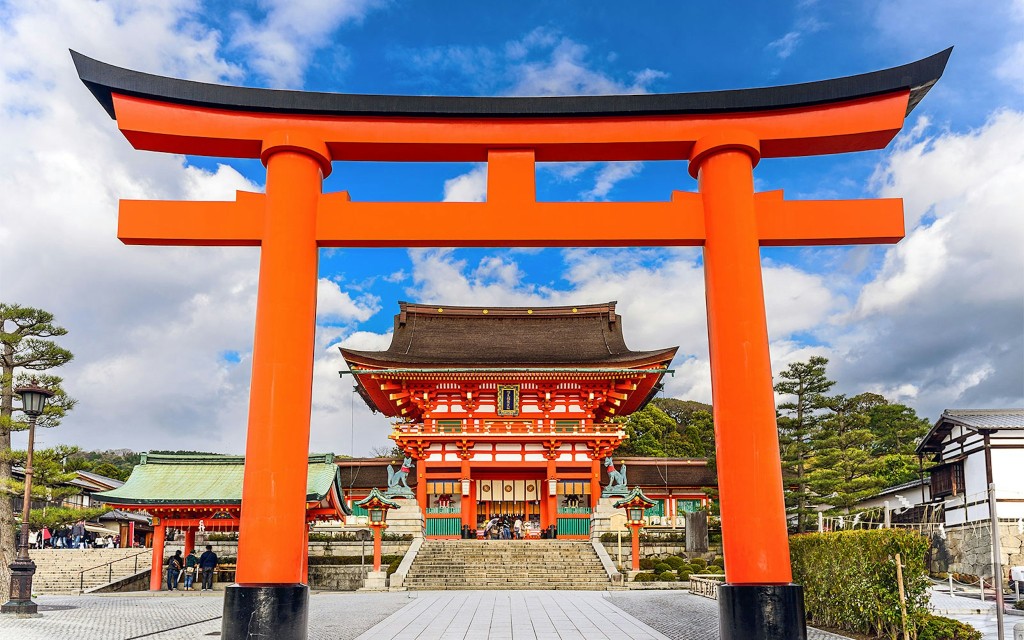
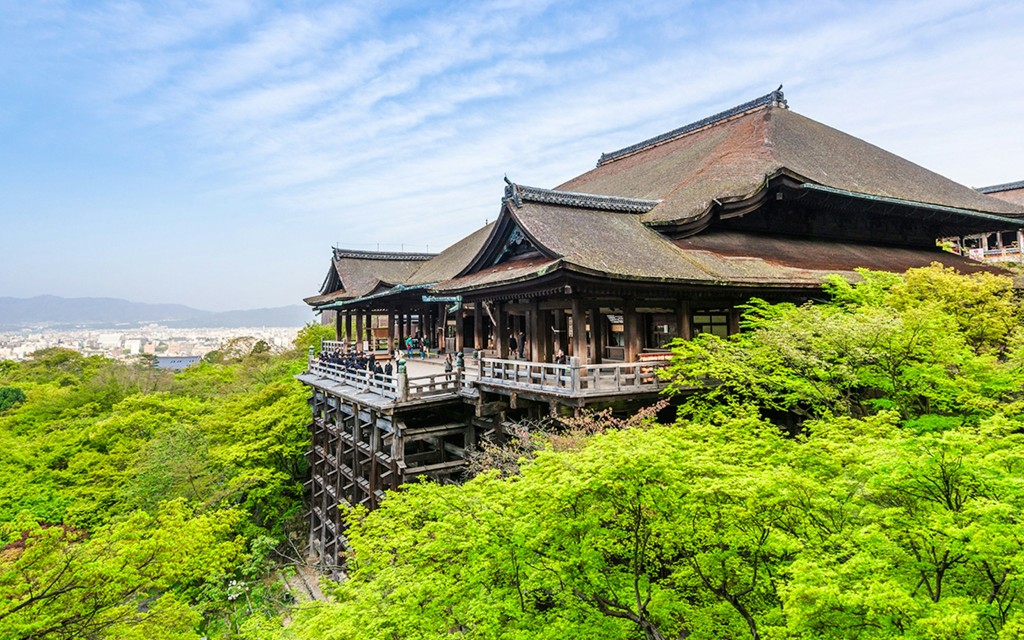
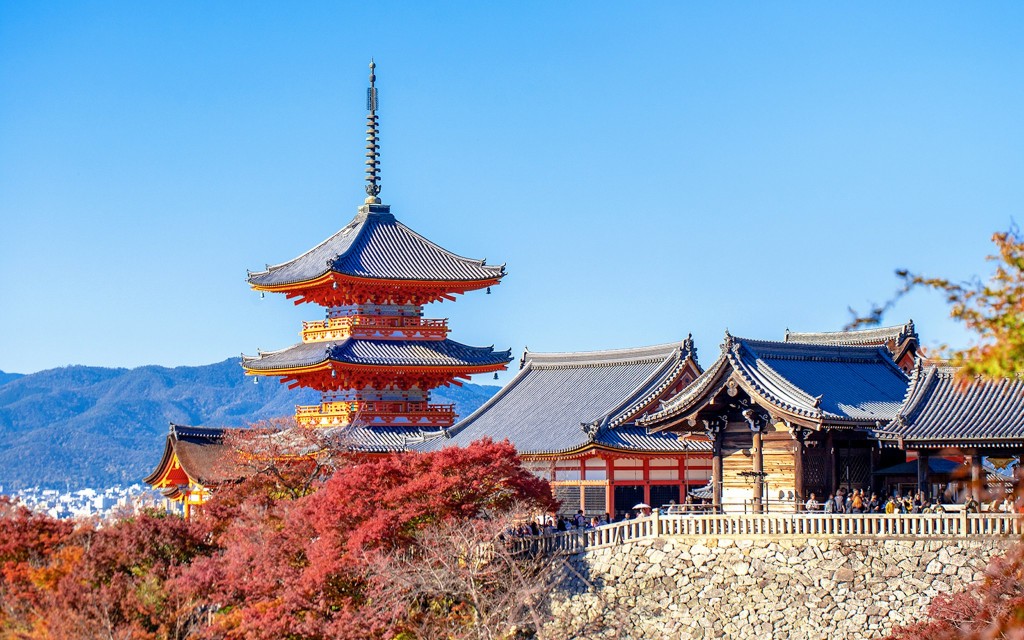


Capture the breathtaking beauty of the torii tunnel, scenic views from the mountain trail, and the traditional shrine architecture that defines this historic site.
Fushimi Inari Shrine, one of Kyoto’s most iconic landmarks, offers a captivating experience with its thousands of vibrant torii gates. This sacred site is renowned for its picturesque pathways that wind through lush forested slopes, creating a mystical atmosphere. Visitors find inspiration in its spiritual significance and stunning scenery, making it a must-visit destination in Japan.
Dress modestly and comfortably, suitable for walking and mild outdoor conditions. Avoid revealing attire, especially when entering shrine buildings.
What's Included
What's Excluded
Know Before You Go
Accessibility
-
This experience is not wheelchair and pram/stroller accessible.
-
This experience involves a lot of walking, and paths may be uneven. This tour is not recommended for pregnant women and guests with mobility issues.
Recommendations
-
The order of the itinerary and visits to certain attractions may be adjusted due to traffic and weather conditions.
-
Always carry your passport, important documents, and valuables with you, and keep them safe. Any loss, theft, or damage will be your responsibility.
-
For safety reasons, elderly guests, expectant mothers, and those with cardiovascular conditions (e.g. high blood pressure, heart disease) should travel with a family member or companion.
-
Guests aged 70+ must be in good health, provide a medical certificate, and be accompanied by a relative or friend aged 22+.
-
Comply with all local laws and regulations in Japan, and do not carry prohibited items.
-
Respect local customs, and avoid behaviors that could be considered disrespectful.
-
Be punctual for pick-up at the designated location. Late arrivals, no-shows, or joining midway will result in forfeiting your booking with no refund.
-
Meals are not included—please budget for your own food. Note that some restaurants may not allow outside food.
-
If you are prone to motion sickness, please prepare suitable medication in advance.
-
Guests under 18 must travel with an adult.
-
You’ll also have 3 hours of free time to explore at your own pace.
-
Recommended: Walk from Kiyomizu Temple (tickets at own expense) through Nissanzaka and Ishibaka-koji, continue to Gion’s Hanami-koji, and finish at Yasaka Shrine. Guests can decide how much to cover based on their time and interest.
-
Shinsaibashi & Dotonbori (Approx. 1 hr, free time): End the day shopping in Shinsaibashi or trying local dishes such as takoyaki and okonomiyaki in Dotonbori.
-
Interested guests can put on a kimono and visit Kiyomizu Temple. You can choose to return the kimono at any of the many shops, including Kiyomizu Temple and Fushimi Inari Shrine. We recommend borrowing at Kiyomizu Temple and returning to Fushimi Inari. Please note: expenses are self-paid.
Instructions
What to Expect
About Fushimi Inari Shrine Tickets, Tours & Visitor Information
Fushimi Inari Shrine is a historic Shinto sanctuary dedicated to Inari, the god of rice, prosperity, and business. Established over 1,300 years ago, it serves as a spiritual hub for millions of worshippers and travelers alike. The shrine’s most distinctive feature is its thousands of vermilion torii gates, which form hiking trails leading up to Mount Inari. These gates, donated by businesses and individuals, symbolize prosperity and good fortune. The shrine complex includes main halls, smaller auxiliary shrines, and scenic lookout points offering panoramic views of Kyoto. Visitors can explore the entire grounds at their own pace, discovering hidden cultural treasures along the paths. The atmosphere varies from serene during early mornings to lively during festivals, providing a versatile experience for all visitors. The site’s blend of tradition, natural beauty, and cultural significance makes it a unique place for reflection and exploration.
Highlights
Why Book Online?
Booking your Fushimi Inari Shrine visit online ensures skip-the-line access, guaranteeing quick entry and saving valuable time. It allows for better planning with instant confirmation and the ability to compare different ticket options, making your trip more convenient and stress-free.
History
Fushimi Inari Shrine was founded in 711 AD and has a long-standing significance in Japanese culture. Its primary purpose is to honor Inari, the rice god, and to pray for agricultural prosperity and business success. Over centuries, the shrine grew in importance, with the iconic torii gates donated by merchants, reflecting the shrine’s connection to commerce and prosperity. The preservation of traditional shrine architecture and its spiritual ambiance has continued to attract pilgrims and tourists alike. The site also plays a vital role in seasonal festivals, particularly the annual Inari Festival, which draws thousands of worshippers. Despite modernization, the shrine retains its sacred aura, offering visitors a glimpse into Japan’s spiritual heritage and cultural history.
Opening Hours
The shrine is open 24 hours, but visiting during daylight is recommended for safety and best experience. Main buildings are accessible during daytime hours, typically from dawn to dusk.
Best Time to Visit
Visit early in the morning or late afternoon to avoid crowds and enjoy the tranquil atmosphere. Spring (March–May) and autumn (October–November) offer particularly scenic views.
What to See Inside
Inside Fushimi Inari Shrine, visitors can explore the impressive main shrine buildings dedicated to Inari. As you ascend the mountain trail, you'll pass through countless torii gates that create a captivating tunnel effect. Along the way, smaller auxiliary shrines and scenic viewing platforms offer peaceful spots for reflection. The higher trails lead to breathtaking viewpoints overlooking Kyoto. Each section of the shrine tells a story, whether it’s sacred statues, ema plaques, or traditional lanterns. The route also includes lush forested areas that enhance the mystical atmosphere, perfect for photography or quiet contemplation.
Things to Know
Wear comfortable walking shoes as the trails can be steep and uneven. Arrive early to avoid crowds and enjoy the quiet serenity. Respect the sacred nature of the site by maintaining a respectful demeanor and not disturbing worshippers. No photography is allowed inside the main shrine buildings. Carry water and protect yourself from weather elements during hikes.
Visitor Rules
Keep noise levels low in sacred areas. Do not touch or climb on shrine structures. Follow designated paths and pathways. Dispose of trash appropriately. Respect local customs and etiquette at all times.
Is It Worth Visiting?
Visiting Fushimi Inari Shrine offers a profound cultural experience, breathtaking scenery, and the chance to immerse yourself in Japan’s spiritual traditions. Its unique vermilion torii gates create an unforgettable atmosphere that combines natural beauty with historical significance. Whether you're seeking tranquility, cultural insight, or stunning photo opportunities, it’s a must-see destination that truly enriches your visit to Kyoto.
Frequently Asked Questions
No, the shrine is free to visit and open to the public year-round.
It typically takes about 2 to 3 hours to hike the main trail and enjoy the viewpoints.
While the shrine is technically open 24/7, visual experience and safety are best during daylight hours.
Yes, there are small shops and stalls selling snacks, drinks, and souvenirs along the trails.
The trails can be steep and uneven, so accessibility may be limited for some visitors.
Photography is allowed in outdoor areas, but inside shrine buildings it may be restricted.
Spring (March–May) and autumn (October–November) are ideal for scenic beauty and pleasant weather.
How to Get There
Take the JR Nara Line to Inari Station, just a short walk from the shrine entrance. Alternatively, several bus routes serve near the site. From Kyoto Station, it's about a 10-minute train ride and a short walk.
Dress modestly and comfortably, suitable for walking and mild outdoor conditions. Avoid revealing attire, especially when entering shrine buildings.