




Kyoto: Kimono & Tea Ceremony Experience near Nishiki Market (Kimono & Tea Ceremony Experience)


Kyoto: Kimono Tea Ceremony Experience at Kyoto Orizuruya, Gion (Kimono & Tea Ceremony Experience)

Garden Teahouse: Private Tea Ceremony Experience (Garden Teahouse - Private Tea Ceremony Experience in Kyoto)

Tea Ceremony Meditation: Make Your Own Matcha with a Tea Master (Standard Plan)
Discover the art of traditional Japanese tea with a visit to the Kyoto Tea Ceremony Experience. This immersive cultural activity offers a rare glimpse into centuries-old customs and rituals that define Japan's refined tea culture. Whether you're a seasoned tea enthusiast or a curious traveler, this experience promises meaningful insights and tranquil moments amid Kyoto's historic atmosphere. Relax and connect with Kyoto’s rich heritage as you engage in a ceremonial tea session led by expert hosts. Feel the serenity of ancient traditions wrapped in beautiful surroundings, creating a memory that will linger long after your visit. Prepare to be charmed by Japan’s elegant hospitality and timeless artistry.
What to Expect
Highlights
About Kyoto Tea Ceremony Experience
The Kyoto Tea Ceremony Experience is a captivating activity designed to introduce visitors to the intricate traditions of Japanese tea culture. Set in a charming, authentic setting, the experience typically involves a detailed demonstration and participation in a Japanese tea ceremony, known locally as 'chanoyu' or 'chado'. Visitors get to learn about the history, philosophy, and precise steps involved in preparing and serving matcha green tea. The experience is often divided into several segments: an introduction to the significance of tea in Japanese society, a walkthrough of the ceremonial tools and their symbolism, and a hands-on participation where guests prepare and enjoy the tea alongside accompanying traditional sweets. What makes this experience truly unique is the combination of cultural education and sensory relaxation, set against Kyoto’s historic backdrop. The authentic setting, often styled in traditional tatami rooms, enhances the immersion, making each visitor feel transported to a bygone era of refined Japanese hospitality.
Why Book Online?
Booking your Kyoto Tea Ceremony Experience online guarantees skip-the-line access and secured entry, allowing you to plan your day with confidence. Online reservations often include exclusive deals and package options, making it easier to compare experiences and find the best value. Save time, avoid hassle, and enjoy a smoother trip by securing your spot in advance.
History
The Japanese tea ceremony has roots dating back over 800 years, originating during the Muromachi period and evolving into an elegant cultural practice. Kyoto, historically Japan's imperial capital, became a hub for tea culture, with many historic tea houses and schools established during the peaceful Edo period. The ritual emphasizes harmony, respect, purity, and tranquility, principles that continue to influence Japanese culture today. Historically, the ceremony evolved from Chinese Zen practices, shaping an art form that combines simple aesthetics with profound symbolism. It was originally reserved for the aristocracy and samurai classes but gradually became accessible to the wider public, especially in Kyoto’s charming tea houses and temples. Preserving these traditions has been crucial in maintaining Kyoto’s reputation as Japan’s cultural heart, with many original tea rooms and museums dedicated to its rich history.
Opening Hours
The activity generally operates daily from mornings to late afternoons, with specific time slots available for reservations. Participants are encouraged to arrive a few minutes early to settle in and enjoy the tranquil ambiance.
Best Time to Visit
Opt for early mornings or late afternoons to avoid crowds and enjoy a more peaceful experience. Visiting during spring’s cherry blossom season or autumn’s foliage period adds scenic beauty to your visit.
What to See Inside
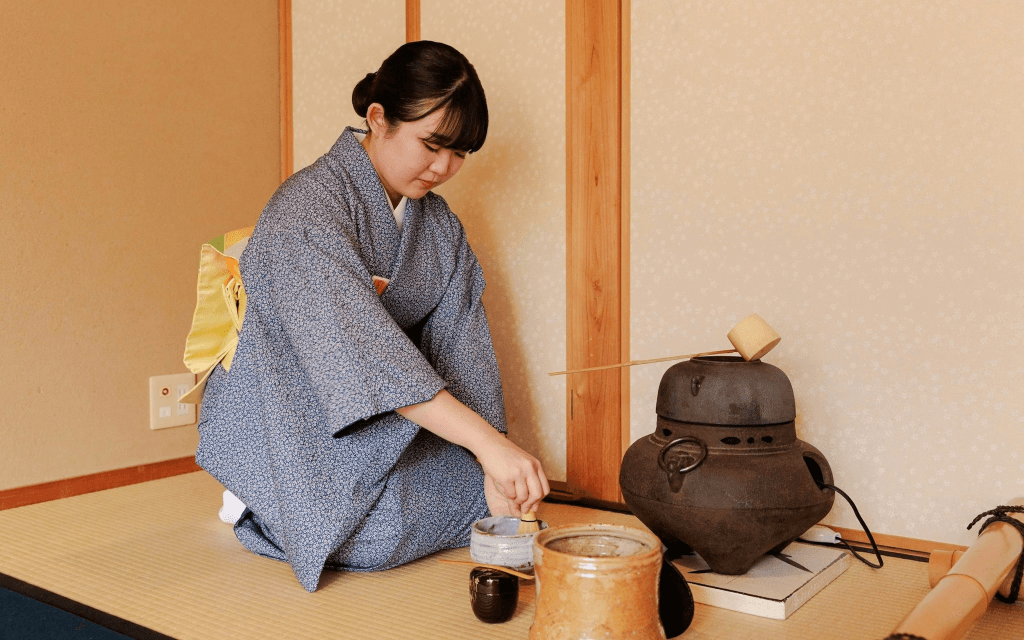
Inside the Kyoto Tea Ceremony Experience venue, you'll find plush tatami rooms decorated with traditional Japanese aesthetics. The setting includes elegant tea utensils, scrolls, and seasonal décor that reflect Kyoto’s cultural charm. Participants will observe the meticulous preparation of matcha using bamboo whisks, lime-scented hot water, and finely crafted bowls. Additional features might include displays of antique tea implements and calligraphy, providing visitors a comprehensive cultural perspective. Some venues also offer tea tastings paired with Japanese sweets, enhancing the sensory journey. Overall, the interior design emphasizes harmony, mindfulness, and aesthetic simplicity, reinforcing the serenity integral to the ceremony.
Things to Know
Arrive a few minutes early to settle in and fully participate. Dress comfortably in modest attire suitable for indoor activities. Cameras are often not permitted inside the ceremony area to preserve the tranquility. Consider dietary restrictions if tasting Japanese sweets. Booking in advance is recommended, especially during peak seasons.
Visitor Rules
Remain respectful of the ceremony and other guests. Silence mobile devices and photography inside the tea room unless permitted. Follow the host's instructions carefully. Do not touch the ceremonial utensils unless invited. Maintain a quiet, attentive demeanor throughout the experience.
Is It Worth Visiting?
The Kyoto Tea Ceremony Experience offers a rare opportunity to immerse yourself in Japan’s elegant cultural tradition. Its authentic setting, expert guidance, and peaceful ambiance make it a memorable highlight of any trip to Kyoto. Whether you seek cultural enrichment or simply a moment of calm, this experience is truly worth experiencing.
Frequently Asked Questions
Most sessions last between 60 to 90 minutes, including preparation, participation, and reflection.
Absolutely. The ceremony is designed for all levels, and hosts guide you through each step regardless of experience.
Yes, children can participate, but they should be respectful and attentive during the ceremony.
Cancellation policies vary; some bookings may be refundable if canceled within a specified period. Check the terms when booking.
Yes, especially during peak seasons, to secure your preferred time slot and ensure availability.
Comfortable, modest attire is recommended. Traditional kimono attire is optional but enhances the experience.
Group bookings are accepted; it's advisable to reserve in advance to accommodate larger parties.
How to Get There
Reach Kyoto’s city center by train or bus from major transportation hubs. From Kyoto Station, take local buses or subway lines toward Gion or Higashiyama districts, then walk a short distance to the venue. Walking through traditional streets adds to the cultural immersion.