Combo Guided Tour: Basilica Cistern + Blue Mosque + Hagia Sophia with Skip-the-Line Tickets (Skip the Line Tickets with English Guided Tour)
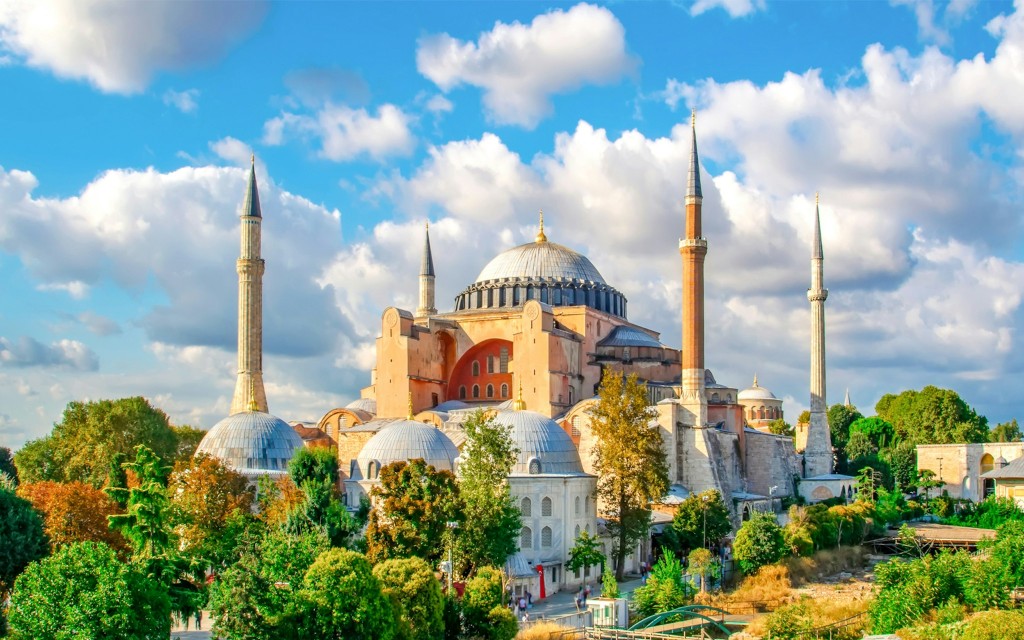


Capture the grandeur of Hagia Sophia’s iconic dome, mosaics, and architectural details that showcase centuries of craftsmanship.
Hagia Sophia stands as a breathtaking monument of history, architecture, and spirituality in Istanbul. Once a cathedral, then a mosque, and now a museum, it offers visitors a chance to explore centuries of cultural transformation. Visiting this iconic site provides a unique glimpse into Byzantine and Ottoman civilizations, making it a must-see destination. Imagine walking through grand halls adorned with intricate mosaics and towering domes that have witnessed centuries of history. The atmosphere is awe-inspiring, blending artistry with spiritual significance. Whether you're fascinated by architecture, history, or simply seeking an unforgettable experience, Hagia Sophia promises a journey through time and culture.
Modest attire is required; shoulders and knees should be covered. Scarves or shawls are recommended for women and respectful clothing for men.
Your experience
Check these three must-visit locations in Istanbul off your list with one ticket. Explore the Basilica Cistern, Hagia Sophia, and the Blue Mosque in just a few hours, without waiting for long entry lines or hassles. Expert storytelling and a mix of live guided tours and multilingual audio guides, this experience brings centuries of history to life. All sites are within walking distance, making this an efficient and enriching way to see the city’s highlights in a single day.
Basilica Cistern
Explore the 6th-century underground water reservoir, which is the Basilica Cistern. As you walk on raised platforms above the water, you’ll be surrounded by more than 300 marble columns, many repurposed from ancient temples. Walk to the far end of the cistern to see the ancient Medusa heads, resting beneath the surface. Continue exploring the site at your own pace with your audio guide, available in 7+ languages.
Hagia Sophia
Step into Hagia Sophia and its Upper Gallery, where emperors once watched religious ceremonies from above. Catch the golden mosaics and the fusion of Christian and Islamic art and architecture, all under one massive dome. Learn about the stories from Hagia Sophia’s time as a church, mosque, and museum with an expert English-speaking guide and a multilingual audio guide.
Blue Mosque
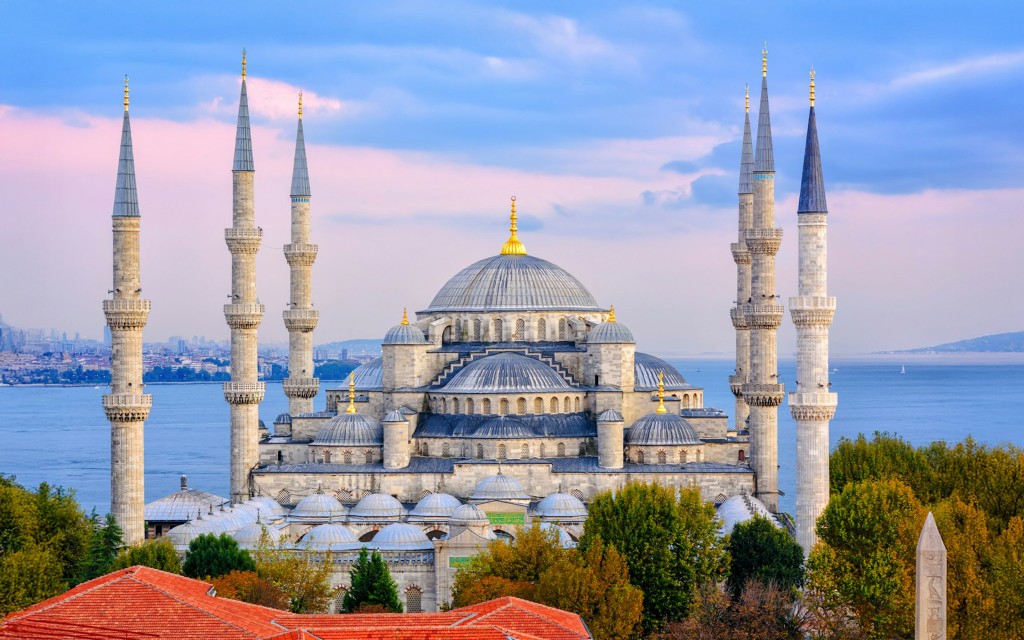
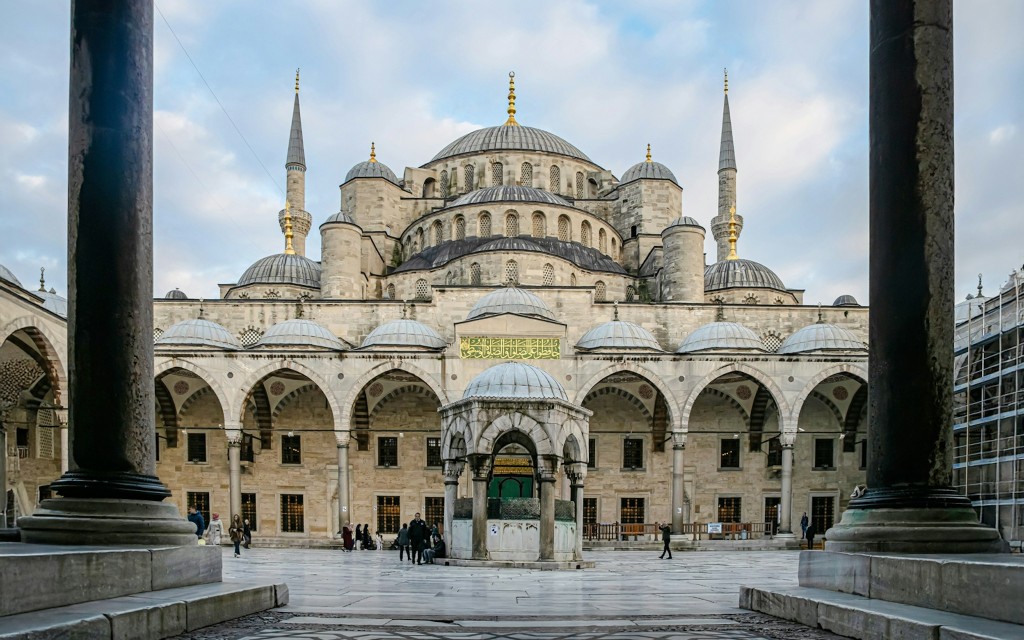
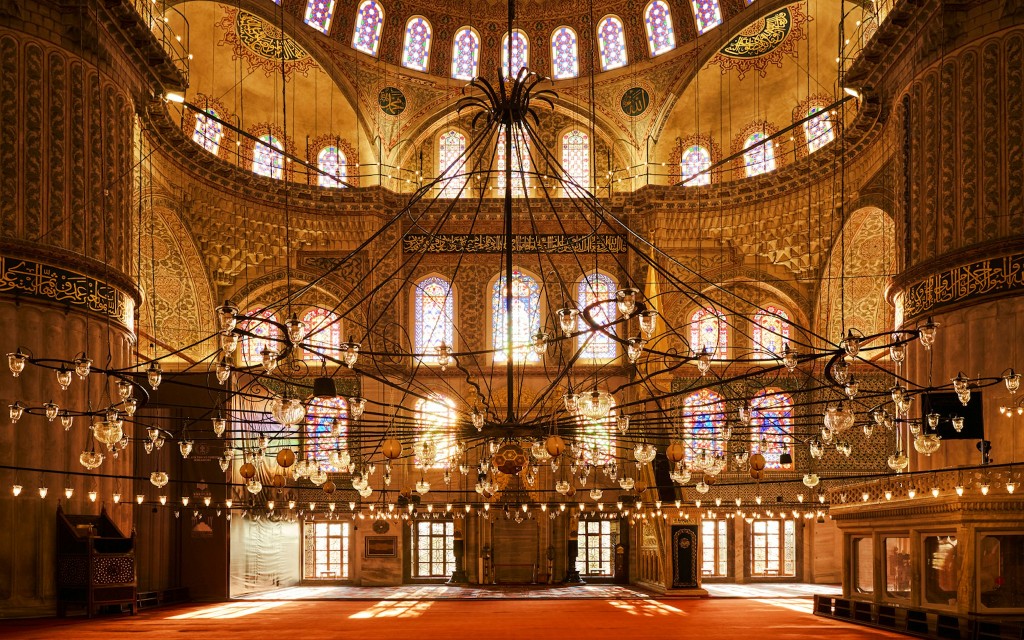
Explore the Blue Mosque, famous for its six minarets and brilliant blue İznik tilework. Enter the vast prayer hall, gaze at its architectural design, and learn how it continues to function as an active place of worship today. Don’t forget to look up—the soaring domes and painted ceilings are as impressive as the space below.
What's Included
What's Excluded
Know Before You Go
What to bring
Basilica Cistern
-
Choose sturdy shoes with a good grip, as some areas may be wet or slippery.
-
Stay ahead of the game and download the audio app beforehand to avoid any network glitches at the location.
-
Make sure your phone is fully charged for tickets, photos, and audio use.
-
The underground remains cool and damp even in the summer. Bring along a light jacket or layer to stay warm.
Hagia Sophia
-
Wear supportive shoes and consider bringing a hat, sunglasses, and a refillable water bottle for comfort outside.
-
Keep earphones handy if you plan to use an audio guide.
-
Bring some cash for nearby cafés, souvenirs, or small purchases.
Blue Mosque
-
Wear modest clothing that covers your shoulders and knees.
-
Women should bring a headscarf for entry into prayer areas.
-
Carry a small bag to hold your shoes when you take them off at the entrance.
What's not allowed
Basilica Cistern
-
Flash photography is not allowed, as it disrupts the lighting and other visitors.
-
Tripods and selfie sticks are prohibited due to space and safety concerns.
-
You cannot eat or drink inside the cistern.
Hagia Sophia
-
Visitors are not permitted in certain areas during prayer times.
-
Flash photography is not allowed.
-
Visitors are required to dress modestly – so please cover your head, shoulders, and knees. Women are also required to wear scarves.
Blue Mosque
-
Shoes must be taken off before entering and cannot be worn inside the mosque.
-
Clothing that exposes shoulders or knees is not permitted; dress modestly.
Accessibility
Basilica Cistern
- The site is not wheelchair accessible, as the interior has uneven, damp flooring and low lighting that make movement unsafe.
Hagia Sophia
- The site is not wheelchair accessible; while the ground floor can be reached by ramps, the Upper Gallery remains off-limits due to steep and uneven historic stairways.
Blue Mosque
- The site is not wheelchair accessible, as entry involves cobblestone paths and small steps that make independent access difficult.
Additional information
Basilica Cistern
-
Your ticket allows you to skip the ticket queue, but all visitors must go through a security check.
-
Arrive early in the morning or visit in the evening to avoid crowds from cruise ship tours.
Hagia Sophia
-
Due to ongoing renovations, certain sections of the interiors may be obstructed by scaffolding.
-
You can bypass the ticket lines, but the security check is mandatory and can take up to 60 minutes between June and August.
-
The ground floor is reserved for prayers, while the second floor is accessible to visitors.
Blue Mosque
-
You can skip the ticket line, but security checks apply to all visitors and may take up to 60 minutes during busy hours.
-
You can buy a scarf or a body cover at the entrance for €1 and €3.
Instructions
What to Expect
About Hagia Sophia Tickets, Tours & Visitor Information
Hagia Sophia, located in Istanbul, is one of the most renowned architectural masterpieces in the world. Originally constructed in 537 AD as a Christian cathedral, it later became a mosque in 1453, and is now a museum since 1935. Its massive dome and stunning mosaics exemplify Byzantine craftsmanship, attracting millions of visitors annually. The structure comprises a vast nave, beautiful minarets added during its Islamic period, and intricate Christian mosaics depicting biblical scenes. Visitors can explore the main hall, the aisles, and the upper galleries to appreciate its artistic details and historical significance. The building's unique blend of Christian and Islamic elements makes it a symbol of cultural convergence. Hagia Sophia’s history reflects the city’s diverse heritage. Its preservation as a museum allows travelers to witness the layers of religious and cultural influences that shaped Istanbul across centuries, making it a vital cultural and historical landmark.
Highlights
Why Book Online?
Booking your Hagia Sophia tickets online guarantees skip-the-line access, ensuring a seamless experience. Secure your entry in advance to avoid long queues, plan your day effectively, and compare different tour options for the best value. Simplify your visit with confirmed tickets and enjoy more time exploring this historic marvel.
History
Hagia Sophia, also known as Ayasofya, was constructed under the direction of the Byzantine Emperor Justinian I and completed in 537 AD. It served as the world's largest cathedral for nearly a thousand years and was a central figure in Christian worship. The structure was converted into a mosque after the Ottoman conquest in 1453, with minarets added and Christian mosaics covered or altered. In 1935, it was transformed into a museum as part of Turkey’s secular reforms, allowing visitors from around the world to explore its rich history. Recently, it has been reconverted into a mosque, though it remains open to visitors outside of prayer times. Its architectural innovations, including the massive dome and elaborate mosaics, symbolize the melding of Byzantine and Islamic cultures, making it a UNESCO World Heritage Site and symbol of Istanbul's layered history.
Opening Hours
Hagia Sophia typically opens early morning until late afternoon, with potential seasonal variations. It is recommended to arrive early or late in the day to avoid peak crowds. Closed on certain religious holidays, so checking specific dates is advised.
Best Time to Visit
Visit during spring (April to June) or early autumn (September to October) for pleasant weather and fewer visitors. Mid-week days tend to be less crowded.
What to See Inside
Inside Hagia Sophia, visitors can admire the majestic central dome, supported by pendentives and towering columns. The interior is decorated with exquisite mosaics depicting Christian iconography, as well as Islamic calligraphic panels added during the Ottoman era. The nave’s massive windows allow natural light to illuminate the intricate designs, creating a mesmerizing atmosphere. The upper galleries provide a panoramic view of the main hall and offer access to the Emperor’s balcony. The minarets surrounding the building narrate its Islamic transformation, while the minbar and mihrab highlight its function as a mosque during the Ottoman period. Exhibits include historic relics, inscriptions, and artistic details that tell the story of this extraordinary site.
Things to Know
Visitors should dress modestly, covering shoulders and knees. It is recommended to arrive early or later in the afternoon to avoid crowds. Respect the religious significance of the site during prayer times. Photography without flash is generally permitted, but avoid taking photos during prayer hours.
Visitor Rules
Please follow instructions from staff, maintain respectful behavior, and avoid touching delicate mosaics. Smoking, eating, and drinking are not allowed inside. Cameras are permitted, but avoid flash photography during service times.
Is It Worth Visiting?
Hagia Sophia’s captivating history, stunning architecture, and spiritual significance make it an unmissable landmark for travelers. Its rich layers of Christian and Islamic art tell stories across centuries, offering a unique cultural experience that leaves a lasting impression. Visiting Hagia Sophia immerses you in the soul of Istanbul's diverse heritage, making it a highlight of any trip.
Frequently Asked Questions
Yes, there is an entry fee, which can be purchased in advance or on-site. Booking online often provides skip-the-line benefits.
Visit early in the morning or late in the afternoon, especially during spring or early autumn, to enjoy fewer crowds and pleasant weather.
Yes, photography is allowed without flash, but be respectful during prayer times and avoid photographing during religious services.
Yes, guided tours are available and often include detailed insights into the history, architecture, and art of Hagia Sophia.
Hagia Sophia has made efforts to improve accessibility, but some areas may have limited access for visitors with mobility challenges.
Allow around 1.5 to 2 hours to fully appreciate the main features and galleries.
It is currently a mosque, so visitors should dress modestly and respect ongoing prayers, although it is also open for general visits.
How to Get There
Hagia Sophia can be reached by public transport, including tram lines and buses. It is a short walk from Sultanahmet Square and other historic sites in Istanbul’s old city.
Modest attire is required; shoulders and knees should be covered. Scarves or shawls are recommended for women and respectful clothing for men.