Cu Chi Tunnels & Mekong Delta: Full-Day Guided Tour from Ho Chi Minh


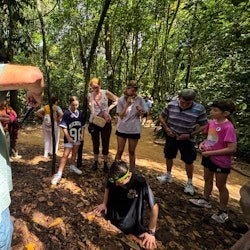



Capture the essence of Vietnam’s wartime history through photos of the tunnels, hidden entrances, and exhibits that tell compelling stories of resilience and ingenuity.
Discover the remarkable Cu Chi Tunnels, a vital part of Vietnam's history and a captivating underground maze. Exploring these tunnels offers a glimpse into the resilience and ingenuity of the Vietnamese people during wartime. As you navigate through the intricate networks, you'll gain a unique perspective on guerrilla warfare tactics and the resilience inherent in the Vietnam War era. Walking through the tunnels, you'll feel immersed in history, with opportunities to see well-preserved sections, bomb Craters, and reconstructed military kitchens. It's an emotional journey that connects you to the past while offering an engaging, educational experience that ignites curiosity and admiration.
Casual, comfortable clothing and sturdy walking shoes are recommended. Avoid overly revealing or formal attire as it’s a historical site and involves physical activity.
What's Included
What's Excluded
What to Expect
About Cu Chi Tunnels Tickets, Tours & Visitor Information
The Cu Chi Tunnels are an extensive network of underground passages located near Ho Chi Minh City. Originally built during the Vietnam War to provide Vietnamese soldiers protection, supply routes, and communication lines, these tunnels span over 200 kilometers. Visitors can explore sections of the tunnels that have been preserved or reconstructed, allowing them to experience firsthand the conditions faced by soldiers. The site includes various sections such as propaganda classrooms, firing ranges, and trap-making stations. Guided tours often detail the ingenious methods used by Viet Cong fighters to camouflage and defend their positions. The tunnels also feature preserved combat areas, underground hospitals, and living quarters, revealing the extensive scope of the Viet Cong’s underground network. This historical site offers insight into Vietnam’s resilience, wartime strategies, and the unbreakable spirit of its people, making it an absolute must-visit for history enthusiasts and curious travelers alike.
Highlights
Why Book Online?
Booking your Cu Chi Tunnels tour online guarantees skip-the-line entry, saving you time and allowing better planning of your trip. Secure your spot, enjoy instant confirmation, and compare different tour options for the best deal to suit your interests and schedule.
History
The Cu Chi Tunnels were constructed beginning in the late 1940s, with extensive expansion during the Vietnam War. They served as strategic bases, communication routes, and hideouts for Viet Cong fighters. The tunnels played a crucial role in the guerrilla warfare that eventually contributed to Vietnam’s victory. After the war, parts of the tunnel system were preserved as a historical site. Today, the Cu Chi Tunnels stand as a powerful symbol of Vietnam’s resilience and ingenuity, attracting millions of visitors eager to learn about this pivotal chapter of history.
Opening Hours
The Cu Chi Tunnels are generally open from early morning until late afternoon. Guided tours are available throughout the day, and special arrangements can be made for early or late visits depending on season or group requirements.
Best Time to Visit
Visit during the dry season from December to April for the most pleasant experience, avoiding the heavy rains and humid weather of the monsoon season.
What to See Inside
Inside the Cu Chi Tunnels, visitors can explore multiple levels of the underground network, including living quarters, kitchens, weapon storage, and medical stations. Sections of the tunnels have been widened for easy walking, while some original narrow passages remain for adventurous explorers. Features such as trap doors and hidden entrances demonstrate guerrilla tactics used during wartime. Informational displays and guided tours enhance your understanding of the strategic significance of the tunnels, offering insights into the resilience of Vietnamese fighters and their ingenuity in wartime engineering.
Things to Know
Wear comfortable shoes suitable for walking and exploring underground. Be prepared for humid conditions inside the tunnels; bring a hat or water bottle if needed. Guided tours are highly recommended for detailed insights and safety.
Visitor Rules
No smoking inside the tunnels, maintain quiet to preserve the site, and follow guided instructions at all times. Photography is permitted but flash photography may be restricted in certain areas.
Is It Worth Visiting?
Visiting the Cu Chi Tunnels offers a rare chance to intimately experience a critical part of Vietnam’s history. The underground networks and exhibits vividly illustrate the resilience and resourcefulness of the Vietnamese people. It’s an educational journey that’s both inspiring and unforgettable, making it a highly worthwhile destination for any traveler interested in history, culture, and wartime ingenuity.
Frequently Asked Questions
Yes, the tunnels have been reinforced and widened for visitor safety, with guided tours ensuring safe navigation.
Most tours last around 2 to 3 hours, including exploration and educational stops.
Access is usually through guided tours, but some sections are open for independent exploration within safety guidelines.
Yes, tickets are required for entry, with options for guided or self-guided visits.
Children over 6 years old can explore, but parental supervision is recommended, especially in narrow or dark sections.
Yes, there are visitor centers, souvenir shops, and nearby cafes offering local cuisine.
While self-exploration is possible, guided tours provide invaluable historical context and safety guidance.
How to Get There
Take a bus or ride-sharing service from Ho Chi Minh City to the Cu Chi Tunnels; many tours include transportation. Once there, follow clear signage or guided instructions for walking to the entrance.
Casual, comfortable clothing and sturdy walking shoes are recommended. Avoid overly revealing or formal attire as it’s a historical site and involves physical activity.