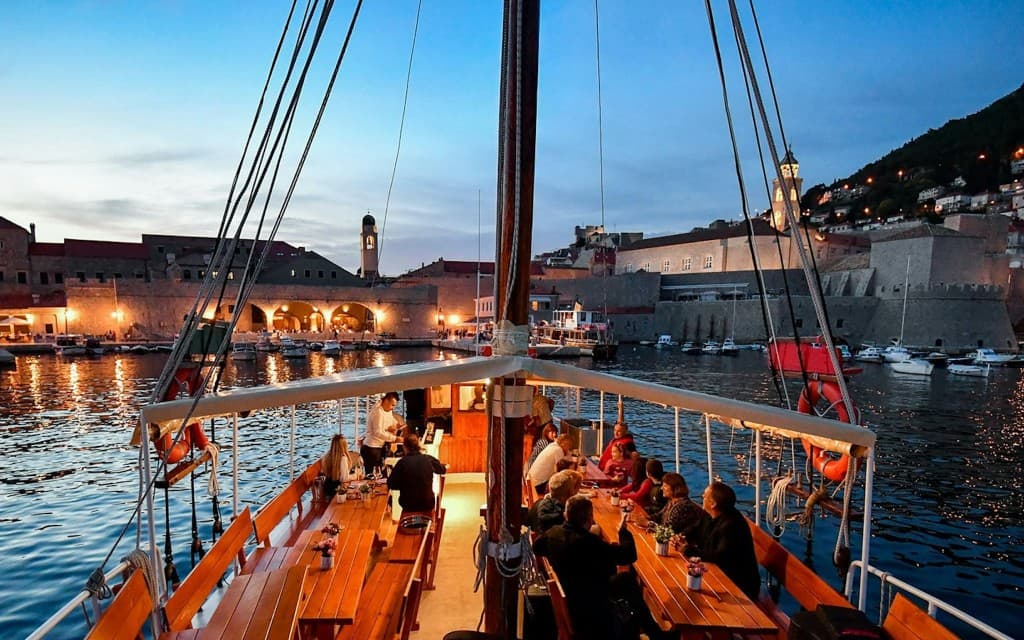

The Dubrovnik City Walls stand as a majestic testament to medieval architecture and historical defense systems. Walking along these ancient fortifications offers a unique glimpse into the city’s rich past and strategic importance. The walls are one of the most iconic landmarks in Dubrovnik, providing visitors with stunning panoramic views of the Old Town and the Adriatic Sea. Exploring the Walls is a deeply immersive experience that combines history, breathtaking scenery, and the thrill of standing atop centuries-old fortifications. Whether you are a history enthusiast, a photographer, or simply seeking spectacular vistas, this walk promises memorable moments and a chance to connect with Dubrovnik’s vibrant heritage.
What to Expect
Highlights
About Dubrovnik City Walls
The Dubrovnik City Walls are a well-preserved fortification system that encircle the historic Old Town, built primarily between the 12th and 17th centuries. These walls were constructed to defend Dubrovnik from invaders and have been an integral part of the city’s identity ever since. The walls stretch approximately 2 kilometers and feature towers, bastions, and charming medieval gateways. Visitors can walk along the top of the walls, exploring towers such as Minceta, Bokar, and Revelin, each offering historical insights and panoramic viewpoints. The walk provides a unique perspective on Dubrovnik’s architecture, its historical fortifications, and the beautiful coastline beyond. Notable features include the large fortress of Minčeta, the fortified gate, and the beautiful views of terracotta rooftops and shimmering sea. The experience immerses visitors in both history and nature, making it a must-see attraction for all who visit this UNESCO World Heritage site.
Why Book Online?
Booking your Dubrovnik City Walls tickets online guarantees priority access, allowing you to skip queues and plan your day efficiently. Online reservations secure your entry and often include discounts, making your visit smoother and more affordable. Compare tour options and enjoy instant confirmation, so you can focus on experiencing this historic masterpiece without worry.
History
The Dubrovnik City Walls date back to the 12th century, reflecting the city’s defensive needs during medieval times. Over centuries, they were fortified and expanded, incorporating various architectural styles and defensive mechanisms. The walls played a crucial role during times of conflict, notably resisting various sieges and invasions. In the 16th century, major reconstruction projects added the formidable fortress of Minčeta, and the walls were upgraded with additional towers and artillery positions to adapt to changing warfare techniques. The walls also served as a symbol of Dubrovnik’s independence, wealth, and strategic importance as a maritime republic. After centuries of military significance, the walls have become a popular tourist destination, symbolizing Dubrovnik’s resilience and history. Their preservation allows visitors today to step back in time and appreciate the engineering skills of medieval builders while enjoying spectacular views as they walk along these historical fortifications.
Opening Hours
The Dubrovnik City Walls are generally open daily from early morning until late afternoon, with seasonal adjustments. It’s advisable to arrive early to avoid peak crowds. Check local signage for specific daily hours, especially during public holidays or special events.
Best Time to Visit
Visit during spring or early autumn for pleasant weather, fewer tourists, and optimal light for photography. Summers tend to be busiest, especially in July and August, while winter offers a quieter experience but shorter daylight hours.
What to See Inside
Inside the walls, you’ll explore a labyrinth of medieval towers, ramparts, and gateways. Start at the Pile Gate, the main entrance, then stroll along the battlements, taking in views of the ancient rooftops and the shimmering sea. Key sights include the Minceta Tower, the largest and most impressive fortification, offering sweeping vistas from its top. The Revelin Fortress provides insights into Dubrovnik’s military history, while the Bokar Tower offers a peaceful spot for photography. The walls are punctuated with observation points, defensive structures, and small museums detailing the city’s past. Walking this path allows you to appreciate the strategic design and architectural ingenuity of Dubrovnik’s defenders across centuries.
Things to Know
Wear comfortable shoes suitable for walking on uneven surfaces. Carry water, sunscreen, and a hat during sunny days. Plan your visit early or late in the day to avoid crowds and heat. Remember that sections of the walls may close temporarily due to weather or maintenance works. The walk involves some climbing and narrow pathways but offers rewarding views and photo opportunities.
Visitor Rules
No running or climbing on the walls. Respect the historical structures and avoid touching or damaging the exhibits. Smoking is prohibited within the walls. Keep noise levels respectful to preserve the experience for all visitors. Children should be supervised at all times, especially in narrow or exposed sections.
Is It Worth Visiting?
Exploring the Dubrovnik City Walls offers a rare chance to walk through medieval history while enjoying breathtaking views of the city and sea. It’s a captivating experience for history buffs, photography enthusiasts, and curious travelers alike. The impressive architecture, scenic vistas, and immersive atmosphere make this a highlight of any Dubrovnik trip, providing memories that will last a lifetime.
Frequently Asked Questions
Typically, the walk lasts about 1.5 to 2 hours, depending on stops for photos and sightseeing.
Yes, but some sections may be narrow or require climbing steps. Supervision is recommended for children and those with mobility issues.
Yes, advanced booking ensures guaranteed entry and allows you to skip the lines during busy times.
The walls may close temporarily in severe weather conditions such as heavy rain or storms for safety reasons.
Comfortable shoes, sun protection, and weather-appropriate clothing are ideal for this outdoor experience.
Yes, guided tours provide detailed historical insights and are available for a richer experience.
Yes, tickets are required for entry. Fees may vary based on age and ticket type.
How to Get There
Reach Dubrovnik’s Old Town on foot from nearby accommodations or public transport. The city walls entrance is centrally located and accessible via the main gates from Stradun street. Public buses serve the city from surrounding areas, with walking distance from bus stops to the gates.