Cape Town: Robben Island Prison Tour + Ferry Transfer

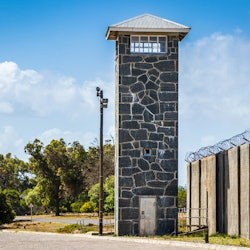
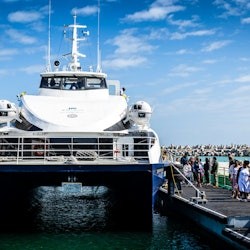



Capture photos of Robben Island’s historic sites, scenic views, and striking landscapes that embody its rich history and natural beauty.
Discover the historic significance and compelling stories behind Robben Island, a UNESCO World Heritage site and symbol of resilience. This tour offers an immersive experience into South Africa’s complex history, taking you through former prison grounds and poignant landmarks. Step back in time and witness firsthand the place where Nelson Mandela spent 18 of his 27 years of imprisonment. Exploring Robben Island promises a powerful, emotional journey filled with insightful guides, breathtaking views of Table Bay, and an understanding of the country's struggle for freedom. Whether you're a history aficionado or a curious traveler, this experience is a vital part of South Africa’s story. Prepare to be inspired by the island’s resilience, and leave with a deeper appreciation of its historical importance and natural beauty.
Wear comfortable clothing suitable for outdoor walking and weather conditions. Sun protection and a hat are advised during sunny days.
What's Included
What's Excluded
What to Expect
About Robben Island Tour Tickets, Tours & Visitor Information
Robben Island, located just off the coast of Cape Town, is a symbol of hope, resilience, and reconciliation. Originally a place of banishment, it later became infamous as a maximum-security prison where political prisoners, including Nelson Mandela, were held during apartheid. Today, the island functions as a museum and UNESCO World Heritage site, offering visitors a chance to explore its storied past. The tour typically includes a ferry ride from the V&A Waterfront, a guided bus tour around the island, and visits to key sites such as the prison cells, the limestone quarry, and Nelson Mandela’s former cell. The guides—many of whom are former inmates—bring a deeply personal perspective that enriches the experience. Robben Island’s combination of historical significance and rugged natural beauty makes it a compelling visit for those interested in human rights, history, or South Africa’s journey to democracy.
Highlights
Why Book Online?
Booking your Robben Island tour online guarantees skip-the-line access and confirmed entry, helping you plan your visit with ease. Compare different tour options for the best value and enjoy a seamless experience from start to finish. Secure your tickets now for a smooth and memorable journey into South Africa’s history.
History
Robben Island's history dates back to the 17th century when it was initially used as a prison and leper colony by the Dutch. Over the centuries, it served various roles including a military base and a maximum-security prison during South Africa’s apartheid era. The island gained international recognition as the site where Nelson Mandela and other political prisoners were detained, symbolizing the struggle for freedom and human rights. In 1999, it was designated a UNESCO World Heritage Site, preserving its historical significance and highlighting its role in South Africa’s fight against racial oppression. Today, the island's prison structures are preserved as museum exhibits, with guided tours led by former inmates providing authentic insights. Its history underscores themes of resistance, resilience, and reconciliation, making it an essential stop for understanding South Africa’s complex past.
Opening Hours
Ferries to Robben Island operate daily, generally from early morning to late afternoon. Tours are scheduled throughout the day, with frequent departures. It is recommended to arrive early for the best experience. Specific times vary seasonally, so checking local schedules before visiting is advised.
Best Time to Visit
Visit during spring or summer to enjoy warm weather, calm seas, and clearer views. Spring, from September to November, offers fewer crowds, while summer from December to February provides longer daylight hours for exploring.
What to See Inside
Inside Robben Island, you’ll explore the historical prison that once held political prisoners, including Nelson Mandela. The guided tour covers multiple sections such as the cell blocks, the limestone quarry where inmates worked under harsh conditions, and the prison yard. Visitors also see preserved buildings used during different periods and learn about the island’s history through informative displays and narratives. The experience provides a profound understanding of the struggle against apartheid, highlighting stories of resilience and hope that resonate deeply. The island’s natural beauty, combined with its historical sites, offers a unique perspective on South Africa’s complex past and ongoing journey toward reconciliation.
Things to Know
Bring comfortable walking shoes, dress appropriately for weather conditions, and arrive early to secure your preferred tour time. The ferry ride can be affected by weather, so check forecasts. Photography is permitted in many areas, but flash photography may be restricted inside the prison cells.
Visitor Rules
Respect the site and its history, refrain from smoking or consuming alcohol on the island, and follow the instructions of guides and staff. No littering or disturbance of the site’s features is allowed. Keep noise to a minimum to preserve the solemn atmosphere.
Is It Worth Visiting?
Visiting Robben Island offers a profound glimpse into South Africa’s turbulent history and inspiring stories of resilience. The guided tours led by former inmates provide authentic and powerful insights, making it an unforgettable educational experience. Its stunning natural setting complements the historical narrative, making it a must-see destination for travelers interested in culture, history, and social justice.
Frequently Asked Questions
The entire experience, including ferry transfers and the guided tour, typically lasts around 3 to 4 hours.
Yes, the island facilities are accessible for visitors with mobility impairments, but it’s recommended to inform staff in advance.
Yes, children are welcome, but parental discretion is advised due to the historical nature of the tour.
Yes, guided tours are offered in several languages, including English, Afrikaans, and others. Check availability when booking.
Bring comfortable walking shoes, sun protection, water, and a camera. Weather-dependent clothing is also advisable.
Ferries operate multiple times daily, with schedules varying seasonally. Early booking is recommended.
Yes, tickets must be purchased in advance for the ferry and tour, which can be done online or on-site.
How to Get There
Take a ferry from the V&A Waterfront in Cape Town; the ride offers stunning views and is part of the experience. Public transport or taxi services are available to the ferry terminal, with walking distance from central Cape Town.
Wear comfortable clothing suitable for outdoor walking and weather conditions. Sun protection and a hat are advised during sunny days.