From Cairo: Half-Day Guided Tour of Giza Pyramids & Sphinx with Hotel Transfers (Arabic Group Tour + Entry Tickets)
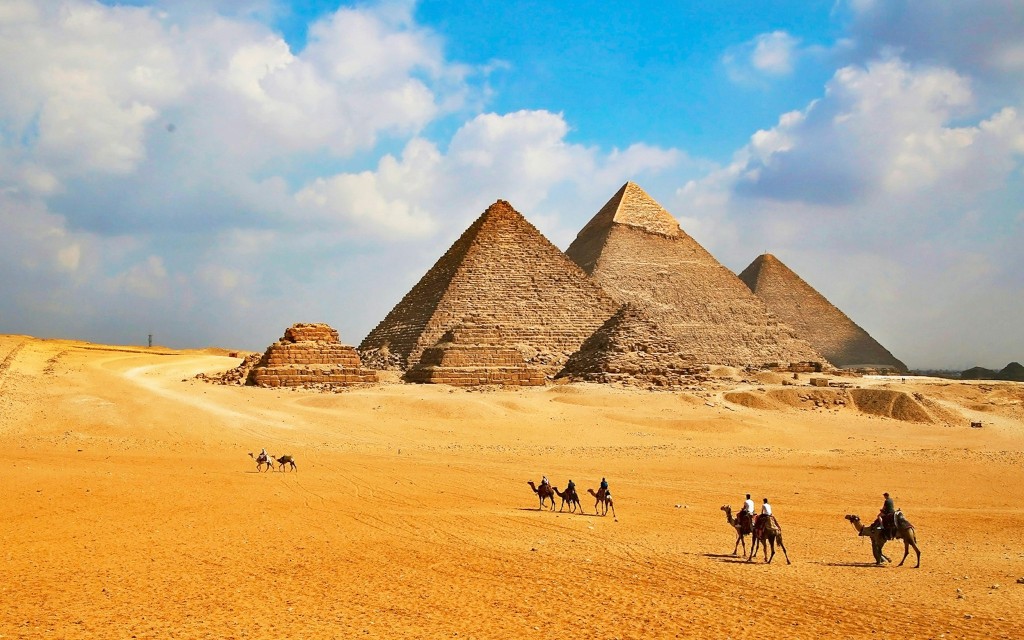
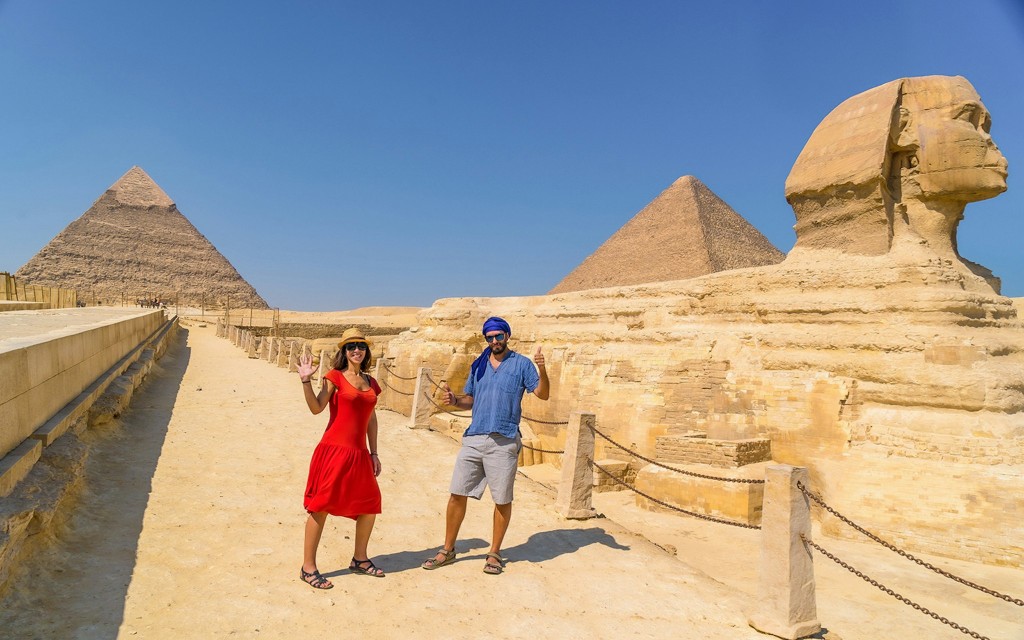
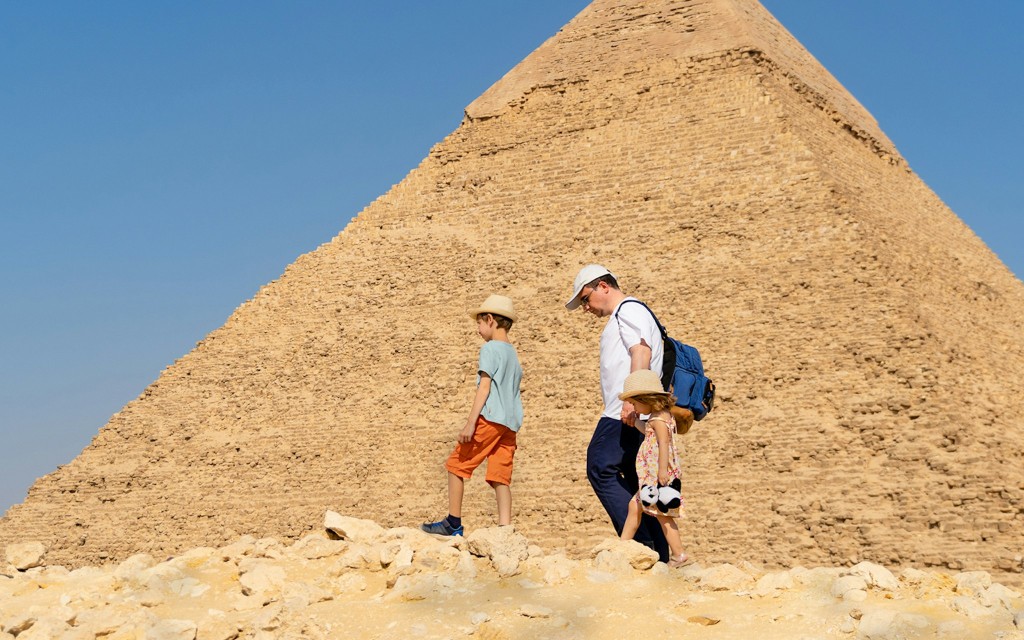
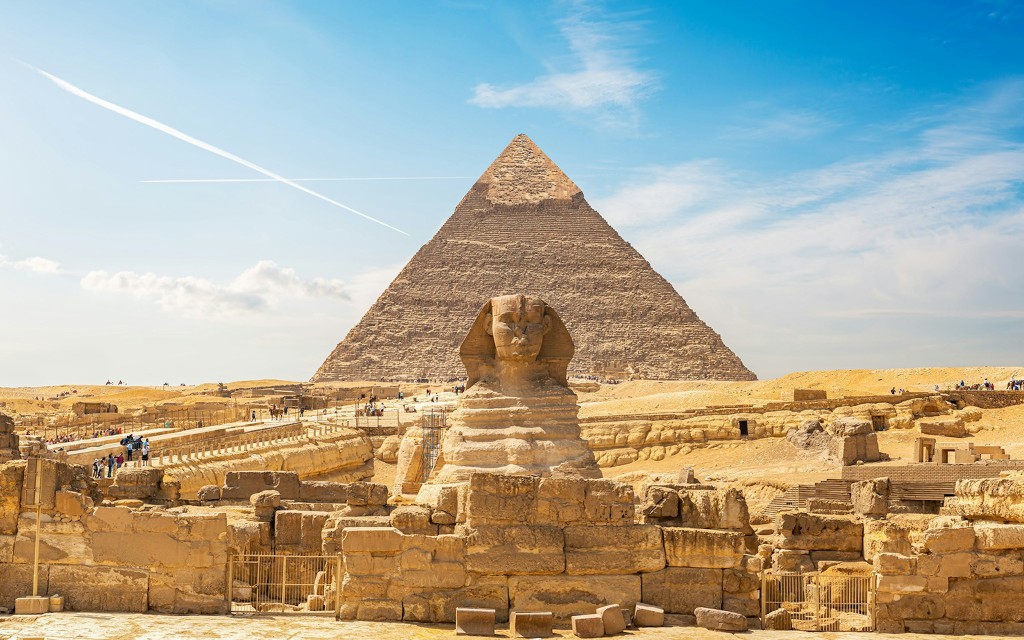


Capture stunning photos of the pyramids, the Sphinx, and panoramic views of Cairo from the Giza Plateau. These iconic landmarks make for postcard-worthy memories and shareable moments.
The Pyramids of Giza are one of the world's most iconic archaeological sites, symbolizing ancient Egypt's grandeur and engineering prowess. Located on the outskirts of Cairo, these majestic structures have fascinated visitors for centuries, offering a glimpse into a civilization that continues to inspire awe. Visiting the Pyramids is more than just viewing ancient stone structures; it's an immersive experience into history that evokes wonder and curiosity. Walking among the pyramids, exploring their mysteries, and witnessing the Sphinx’s enigmatic smile makes every trip unforgettable. Prepare to be transported back in time and experience the legacy of the Pharaohs firsthand.
Wear modest, comfortable clothing and suitable footwear for walking. Hat, sunglasses, and sunscreen are recommended for protection from the sun. Respect the cultural significance of the site with appropriate attire.
Your experience
Explore the Giza Complex with an expert guide — visit the exterior of the pyramids, the Great Sphinx, and historic monuments with smooth round-trip hotel transfers.
Getting started
Your experience includes private or shared round-trip hotel transfers from Cairo or Giza (as selected). Meet your guide and head straight to the Giza Plateau, avoiding the hassle of public transport and ticket lines.
What to expect
-
Guided pyramid exploration: Walk around the pyramids of Khufu, Khafre, and Menkaure with an expert guide, learning about their construction, architectural precision, and the myths and stories surrounding each monument.
-
The Great Sphinx & Valley Temple: Stand before the world-famous Sphinx, look at its scale and symbolism, and explore the nearby Valley Temple of Khafre, learning about its role in ancient Egyptian rituals and royal ceremonies.
-
Surrounding monuments & causeways: Explore smaller tombs, the pyramid causeways, and other historic structures scattered across the plateau, gaining insight into the Giza Complex’s broader layout and historical significance.
-
Panoramic views & photo stops: Visit carefully selected vantage points for iconic pyramid panoramas, camel-line photos, and desert landscapes, ideal for capturing the perfect shot at any time of day.
-
Expert multilingual guidance: An expert guide provides commentary in English, Arabic, German, French, Italian, or Spanish (depending on your selection).
-
Upgrades: Choose between a shared or private tour for a more convenient and flexible visit.
What's Included
Know Before You Go
What to bring
-
Bring your ticket for the experience (covers entry to the Giza Complex and interior access to the Great Pyramid).
-
Valid ID if you are planning to purchase tickets on-site.
-
Bring a hat and sunscreen as the area is mostly open desert
-
Students must bring their ID for discounted entry.
Accessibility
- The site is not fully wheelchair accessible due to uneven terrain.
Additional information
-
Free entry for children below 6 years.
-
Photography with mobile phones is free; additional charges may apply for professional cameras.
-
Avoid engaging with unofficial camel ride vendors to prevent scams or overpricing.
-
During the holy month of Ramadan, the available pickup slots are 8am, 9am, 10am, and 11am.
-
During the holy month of Ramadan (Feb 18 to March 18), operating hours for the Pyramids of Giza are from 8am-4pm.
Instructions
What to Expect
About Pyramids of Giza Tickets, Tours & Visitor Information
The Pyramids of Giza, including the Great Pyramid, are the most famous monuments of ancient Egypt. Built as tombs for Pharaohs, they are a testament to the engineering skills of the ancient Egyptians. The site also features the Sphinx, a colossal limestone statue with the body of a lion and the head of a Pharaoh, symbolizing strength and wisdom. The complex encompasses several pyramids, including the Pyramid of Khafre and the Pyramid of Menkaure, along with interconnected tombs, ceremonial structures, and the Sphinx. Visitors can explore the intricate corridors inside the pyramids, learn about ancient burial practices, and marvel at the precise alignment and construction techniques that have stood for thousands of years. What makes the Giza Plateau unique is its combination of grandeur, historical significance, and the ongoing archaeological discoveries that continually shed light on ancient Egyptian civilization. Visitors can also enjoy panoramic views of Cairo from the site, adding a modern contrast to the ancient marvels.
Highlights
Why Book Online?
Booking your tickets and tours online ensures skip-the-line access, so you can avoid long queues. It guarantees your entry, allowing for a better planned and more relaxed visit. Plus, you can compare different tour options and enjoy instant confirmation for a seamless experience.
History
The Pyramids of Giza, built during Egypt's Fourth Dynasty over 4,500 years ago, are among the most extraordinary achievements of ancient engineering. The Great Pyramid of Khufu was constructed around 2580-2560 BC and originally stood at 146 meters, making it the tallest man-made structure for over 3,800 years. The pyramids served as monumental tombs for Pharaohs, reflecting their divine status and ensuring their immortality. Throughout history, these structures have endured natural erosion, human activity, and archaeological excavations. They continue to be a symbol of Egypt's rich cultural heritage, attracting millions of visitors who marvel at their scale and historical significance. Recent discoveries around the site reveal new chambers and inscriptions, deepening our understanding of Ancient Egyptian beliefs and practices.
Opening Hours
The Pyramids are open daily from early morning to late afternoon, with specific hours often from 8:00 AM to 5:00 PM. Extended hours may be available during certain seasons or special events. Guided tours are available throughout the day, and early morning visits are recommended to avoid crowds and enjoy cooler temperatures.
Best Time to Visit
Plan your visit during the cooler months between October and April, when daytime temperatures are more comfortable for exploring the open-air site.
What to See Inside
Inside the pyramids, visitors can explore narrow passageways, burial chambers, and ancient inscriptions. The Great Pyramid's internal galleries lead to burial chambers that showcase ancient construction skills. The Sphinx near the pyramids offers a closer look at its iconic features and historical symbolism. Guided tours often include access to lesser-visited tombs and explanations of Egypt’s rich burial traditions, making your visit both educational and awe-inspiring.
Things to Know
Wear comfortable footwear suitable for walking and climbing, carry water, and stay hydrated in the heat. Respect the site by not touching or damaging the structures. Remember that photography inside some tombs may be restricted. Arrive early to avoid crowds and enjoy a more peaceful experience.
Visitor Rules
Do not climb on the pyramids or Sphinx. Refrain from touching or removing artifacts. Use designated pathways and avoid disturbing the site. Keep noise levels respectful and avoid littering. Follow the instructions of guides and staff during your visit.
Is It Worth Visiting?
Visiting the Pyramids of Giza provides a profound connection to one of humanity's greatest achievements. The site’s grandeur and historical mystery make it a must-see for history enthusiasts and travelers seeking an unforgettable cultural experience. Standing amidst these ancient monuments offers a unique perspective on Egypt’s glorious past and enduring legacy.
Frequently Asked Questions
Plan for approximately 3 to 4 hours to explore the pyramids, Sphinx, and surrounding area comfortably.
Yes, guided tours are available and recommended for a deeper understanding of the history and significance of the pyramids.
Access inside some pyramids is limited and may require additional tickets. Check availability and book in advance if interested.
Photography is generally permitted outside but may be restricted inside certain tombs or chambers.
The best time is from October to April when daytime temperatures are cooler and more pleasant for sightseeing.
Accessibility options are limited; contact your tour provider in advance for assistance or plan accordingly.
Wear comfortable, modest clothing, a hat, and comfortable walking shoes suitable for climbing and uneven surfaces.
How to Get There
From Cairo, take a taxi or public transport to Giza. The site is easily accessible by bus, or private tours can be arranged. Walking from the entrance to key monuments is recommended to enjoy the surroundings.
Wear modest, comfortable clothing and suitable footwear for walking. Hat, sunglasses, and sunscreen are recommended for protection from the sun. Respect the cultural significance of the site with appropriate attire.