From Cairo: Full-Day Guided Tour of Giza Pyramids, Sphinx, Grand Egyptian Museum & Bazaar with Entry Tickets, Lunch & Hotel Transfers (Private Tour)
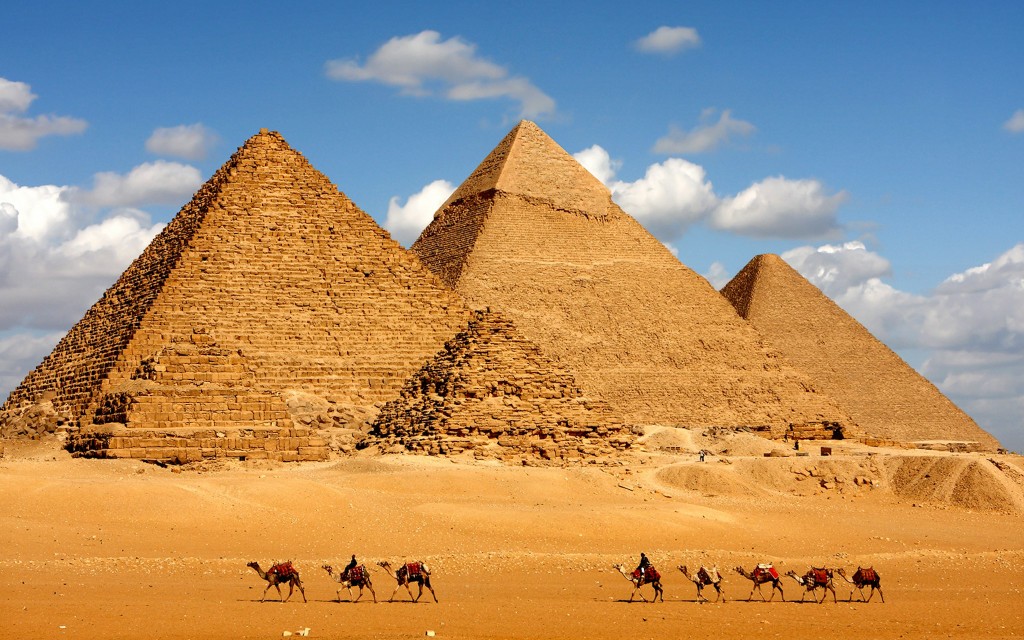
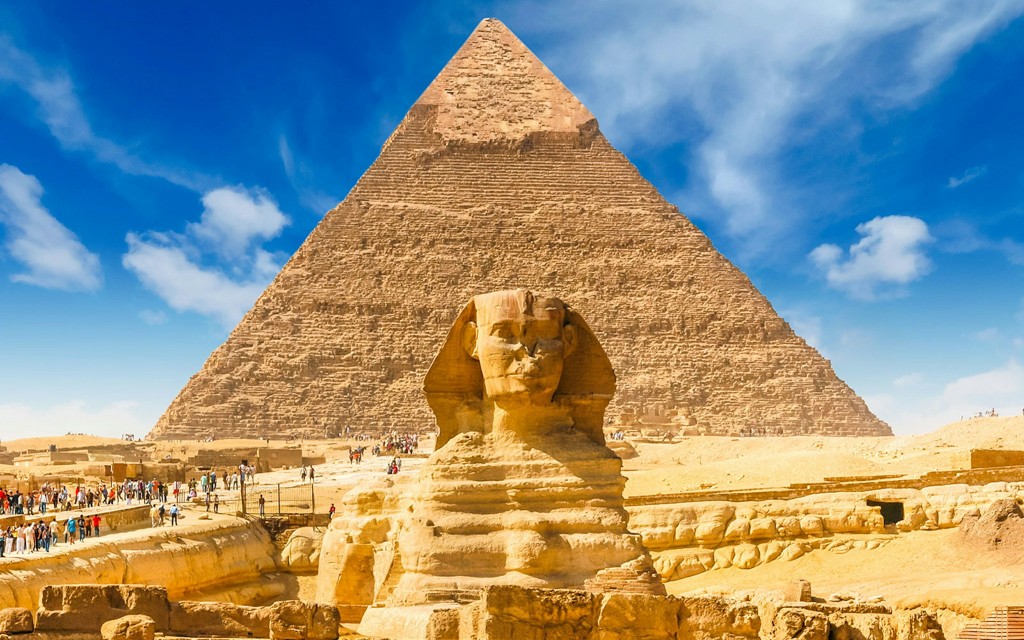
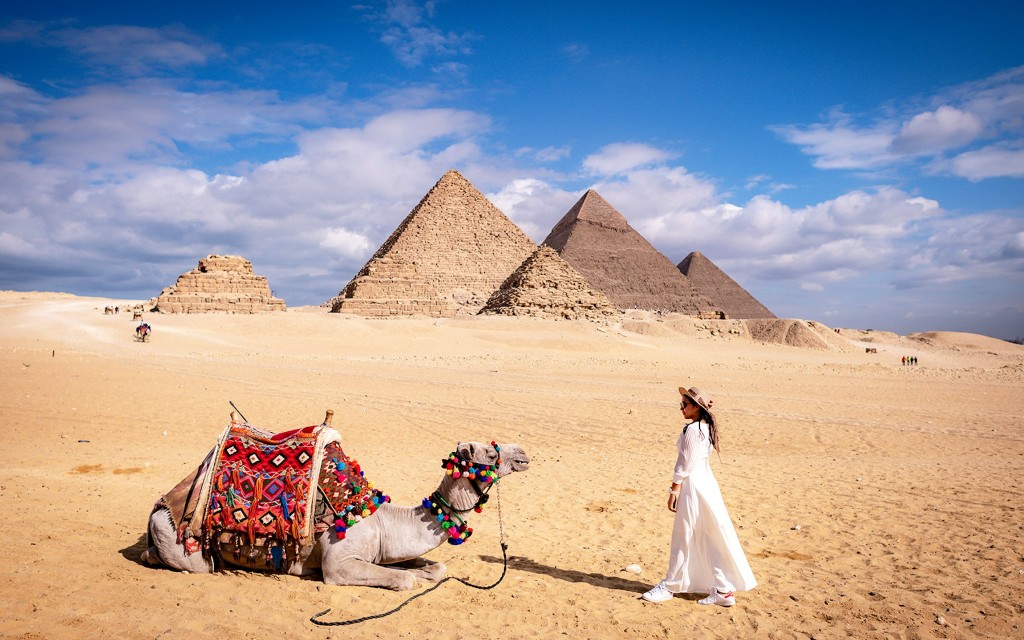


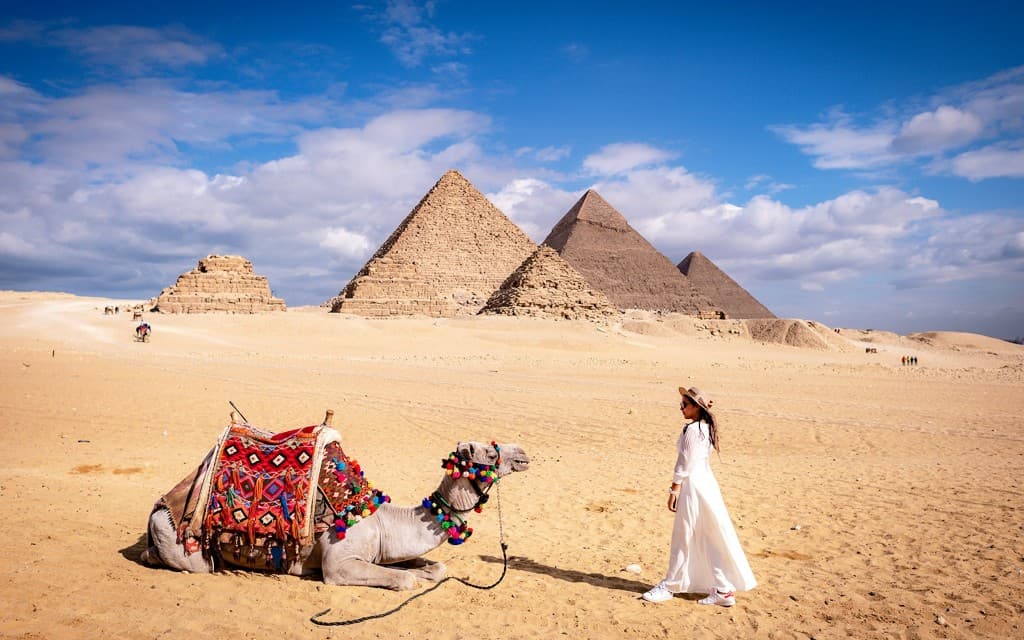




Capture stunning images of the Great Sphinx with the pyramids in the background, marvel at its massive scale, and explore the surrounding archaeological treasures in panoramic shots.
The Great Sphinx of Giza is an iconic symbol of ancient Egypt and one of the world's most renowned monuments. Standing majestically near the Pyramids of Giza, it offers visitors a glimpse into the grandeur of ancient civilization and its enduring mysteries. Experiencing the Sphinx is more than just viewing a statue; it’s an immersive journey into history, culture, and archaeology. Feel the awe as you stand before this colossal sculpture, imagining its original purpose and the secrets it holds. Exploring this historic site promises a memorable adventure into Egypt’s rich heritage.
Dress modestly, with comfortable clothing covering shoulders and knees. Hats, sunglasses, and sunscreen are recommended to protect against the sun. Sturdy shoes are advisable for walking around the site.
Your experience
Check the Pyramids off your bucket list
Set out on a guided tour from Cairo or Giza to the Pyramids of Cheops, Chephren, and Mykerinos—the last standing Wonder of the Ancient World. Capture unforgettable photos at the Great Sphinx and learn about its fascinating history from your Egyptologist guide.
A peek into ancient Egypt
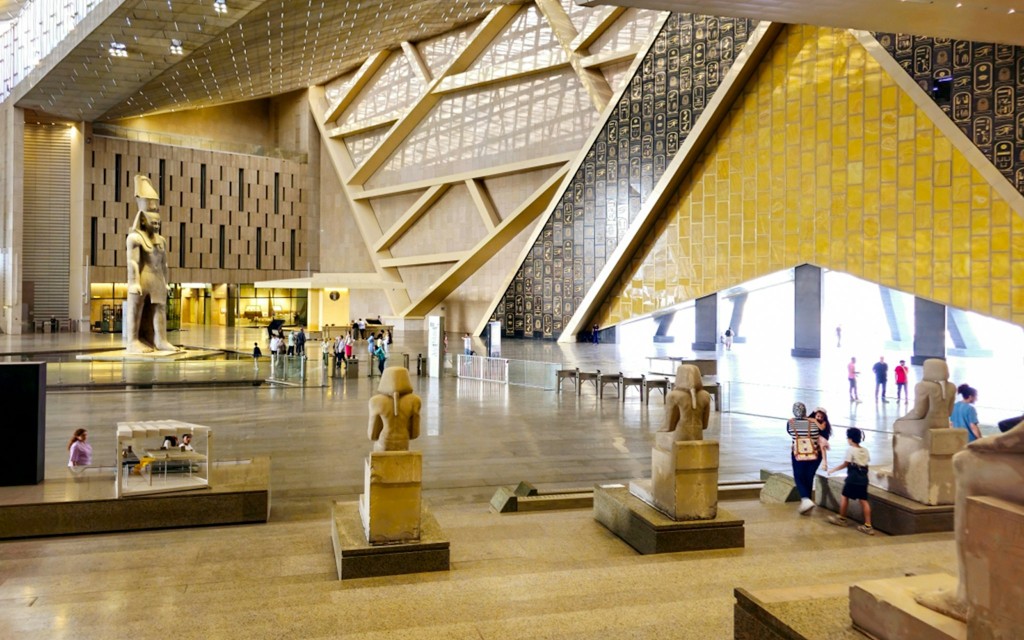
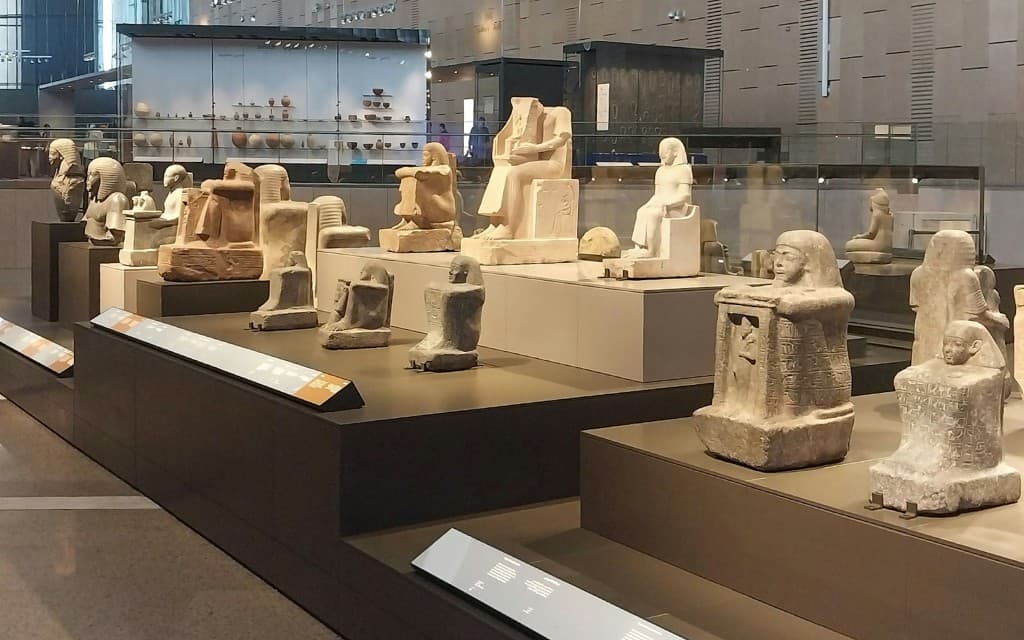
Explore the Grand Egyptian Museum, with access to all main galleries, Tutankhamun’s treasures, and King Khufu’s Solar Boat. Discover over 250,000 artifacts that bring Egypt’s ancient past vividly to life.
A taste of Cairo’s vibrant culture
End your tour at Khan el-Khalili Bazaar, where colorful stalls, handmade crafts, and aromatic spices capture the spirit of Cairo.
What's Included
What's Excluded
Know Before You Go
What to bring
- Carry a valid photo ID or passport and wear comfortable walking shoes.
What’s not allowed
-
Large bags or suitcases are not allowed inside the museum.
-
Professional photography equipment requires prior permission.
-
Food and drinks are not permitted inside the museum exhibits.
-
Sharp objects, weapons, or hazardous items are strictly prohibited.
Accessibility
- The Grand Egyptian Museum and most areas of the Giza Complex are wheelchair accessible, with elevators and accessible restrooms available, though some uneven terrain near the pyramids may require assistance.
Additional Information
-
Tours include hotel pickup and drop-off from Cairo or Giza.
-
Licensed local guides provide historical and cultural insights.
-
Entrance tickets are included unless stated otherwise.
-
Lunch is served at a local restaurant with Egyptian cuisine.
-
Both private and shared group tour options are available.
-
Entry to the Great Pyramid of Khufu is not included and can be purchased separately on the day of your visit at the site.
-
Please note that the Grand Egyptian Museum follows special operating hours during Ramadan:
-
GEM Complex: 8:30am to 5pm
-
Galleries: 9am to 4pm
-
During the holy month of Ramadan, the pickup time will be 7:30am for all tours.
-
During the holy month of Ramadan (Feb 18 to March 18), operating hours for the Pyramids of Giza are from 8am-4pm.
Instructions
What to Expect
About Great Sphinx of Giza Tickets, Tours & Visitor Information
The Great Sphinx of Giza is a limestone statue of a reclining sphinx, a mythical creature with the body of a lion and the head of a Pharaoh, believed to represent King Khafre. It is situated on the Giza Plateau, adjacent to the famous pyramids, and dates back over 4,500 years. The monument measures approximately 73 meters long and 20 meters high, making it one of the largest and oldest statues in the world. Its construction was likely intended to serve as a guardian of the necropolis, embodying strength and wisdom. The Sphinx has endured centuries of natural weathering, looting, and restoration efforts, yet it remains a powerful symbol of ancient Egypt’s architectural and artistic achievements. Visitors can explore the surrounding complex, including nearby temples and esplanades, to better understand the context of the monument’s significance. The site offers insights into Egyptian religious beliefs, royal power, and engineering prowess, making it a must-see destination for history enthusiasts and travelers alike.
Highlights
Why Book Online?
Booking your tickets online guarantees fast, skip-the-line entry and secure access to this popular archaeological wonder. It allows better planning of your visit, saving you time and ensuring a seamless experience. Comparing options and choosing guided tours or combo packages is easier, often at better deals, so you can maximize your exploration of Egypt’s ancient sites.
History
Constructed during the reign of Pharaoh Khafre around 2500 BC, the Great Sphinx has served as a symbol of royal power and divine protection for millennia. Its purpose was likely to guard the pyramid complex and demonstrate the divine authority of the Pharaoh. Over centuries, the Sphinx has witnessed natural erosion, archaeological excavations, and restoration efforts, all contributing to its legendary status. The monument's enigmatic face and massive proportions have fascinated historians and tourists alike. Despite damage and weathering, the Sphinx remains an enduring emblem of ancient Egypt’s architectural ingenuity and spiritual beliefs, continuing to attract millions who seek to connect with its ancient mystique.
Opening Hours
The Giza Plateau typically operates from early morning to late afternoon, with doors closing at sunset. It is recommended to arrive early to avoid crowds and enjoy cooler temperatures. Check local notices for any seasonal variations or special closures.
Best Time to Visit
The most comfortable period is during its cooler months, October through April, when the weather is ideal for sightseeing and outdoor exploration.
What to See Inside
While you can't enter the Sphinx itself, visitors can explore the nearby temples and pathways that reveal the monument’s historical context. The site features the Valley Temple of Khafre and other archaeological remnants that showcase the ancient Egyptian's craftsmanship. Informative displays and signs provide insights into its construction, symbolism, and historical significance. Additionally, viewing platforms around the site offer breathtaking panoramas of the surrounding pyramids and desert landscapes, enriching your understanding of this awe-inspiring complex.
Things to Know
Wear comfortable footwear suitable for walking on uneven surfaces. Bring sun protection, water, and a hat, especially during summer. Respect site regulations and avoid touching or climbing on the monument. Photography is allowed, but flash photography should be minimized to preserve the site.
Visitor Rules
Visitors should remain within designated areas, refrain from touching or climbing on the Sphinx, and follow all security instructions. Littering and vandalism are strictly prohibited. Be respectful of other visitors and the historical significance of the site.
Is It Worth Visiting?
The Great Sphinx of Giza is a timeless symbol of human achievement and Egyptian culture. Visiting this UNESCO World Heritage site offers an extraordinary glimpse into ancient history, inspiring awe and curiosity. Its grandeur and historical significance make it a paramount destination for any traveler interested in archaeology and heritage. Experiencing the Sphinx firsthand provides a deeper connection to Egypt’s rich past and enduring legacy.
Frequently Asked Questions
No, visitors cannot enter the Sphinx itself, but nearby sites and temples are accessible for exploration.
Typically around 2 to 3 hours, depending on your pace and interest in exploring the area.
Yes, the site is well-maintained and regulated; stay within designated areas and follow safety instructions.
Yes, many options including guided tours, audio guides, and combo packages with other sites are available.
October to April offers the most comfortable weather for outdoor sightseeing.
Yes, photography is permitted, but avoid using flash to protect the site and artifacts.
Yes, there are small shops, rest areas, and cafes near the site for visitors’ convenience.
How to Get There
Accessible via public transport from Cairo, including taxis and buses; walking from the city’s main areas is also possible but less convenient. Organized tours often include transportation from central Cairo.
Dress modestly, with comfortable clothing covering shoulders and knees. Hats, sunglasses, and sunscreen are recommended to protect against the sun. Sturdy shoes are advisable for walking around the site.