National Archaeological Museum Entry with Multilingual Audio Guide (Entrance Ticket with Audio Tour)
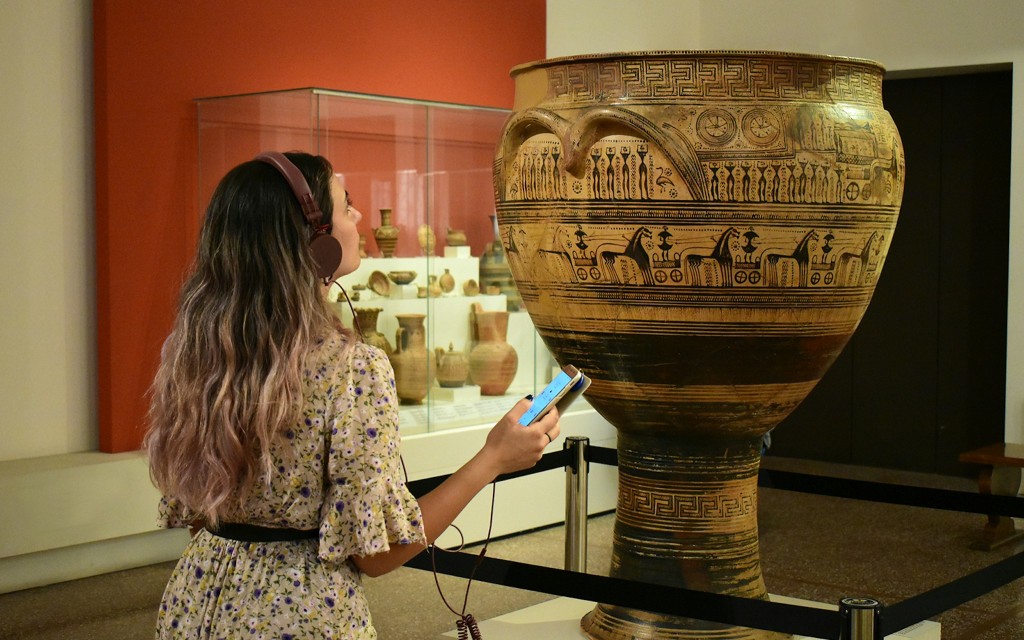

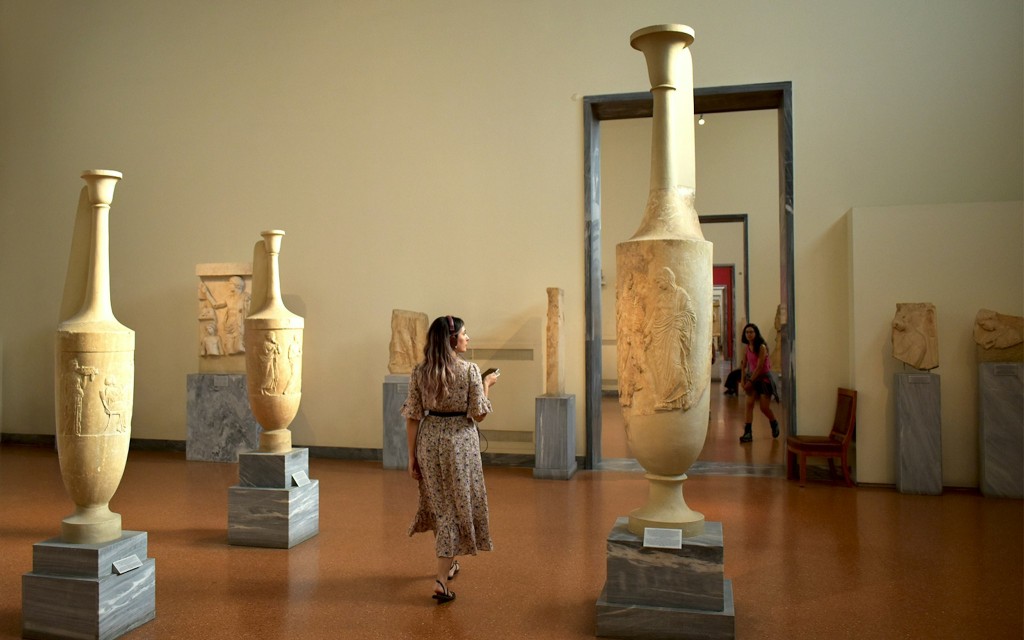
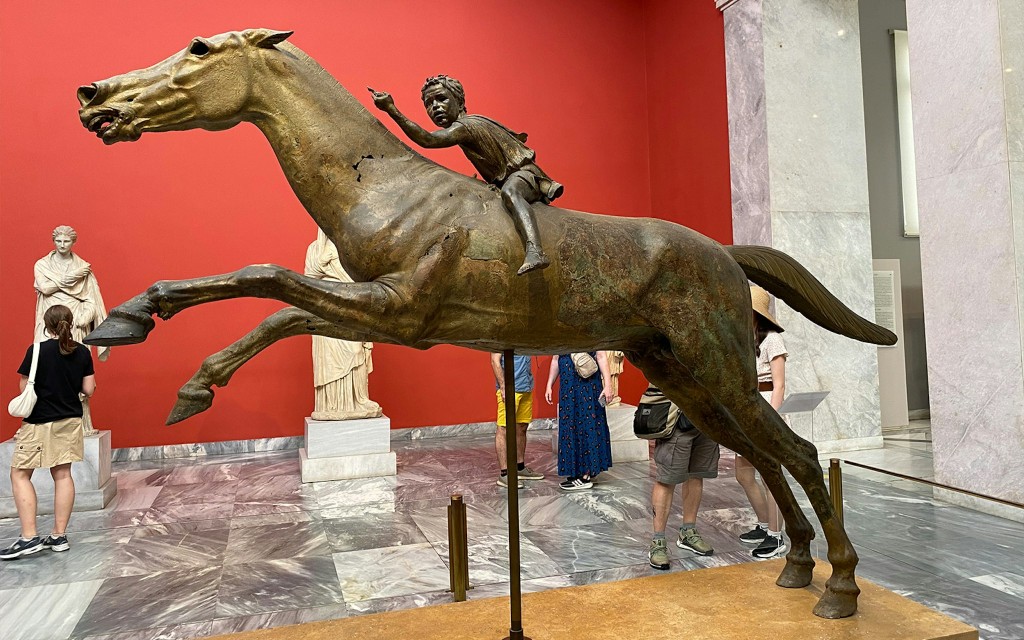


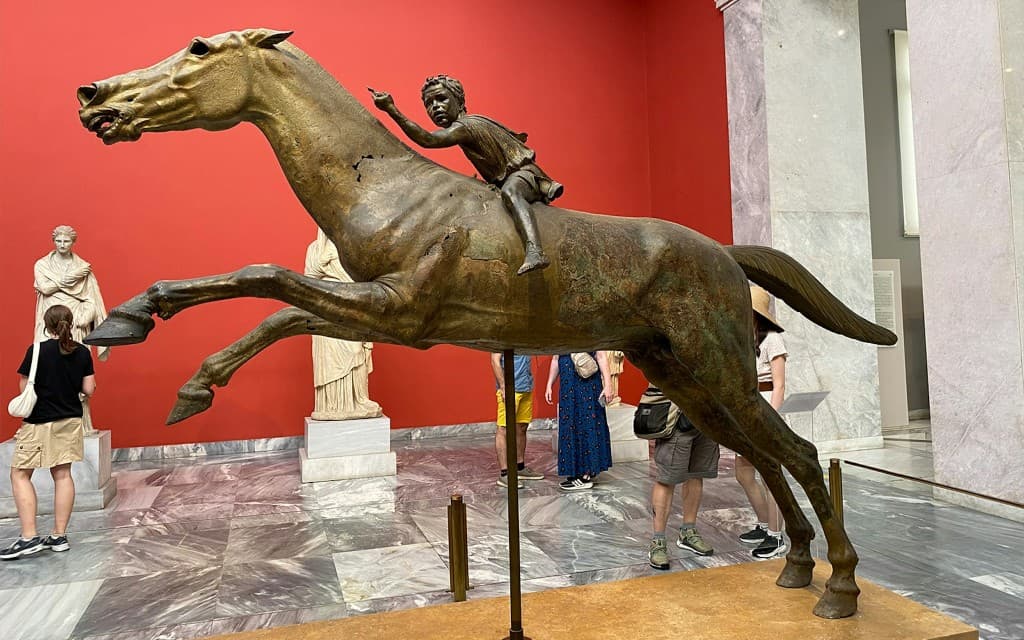
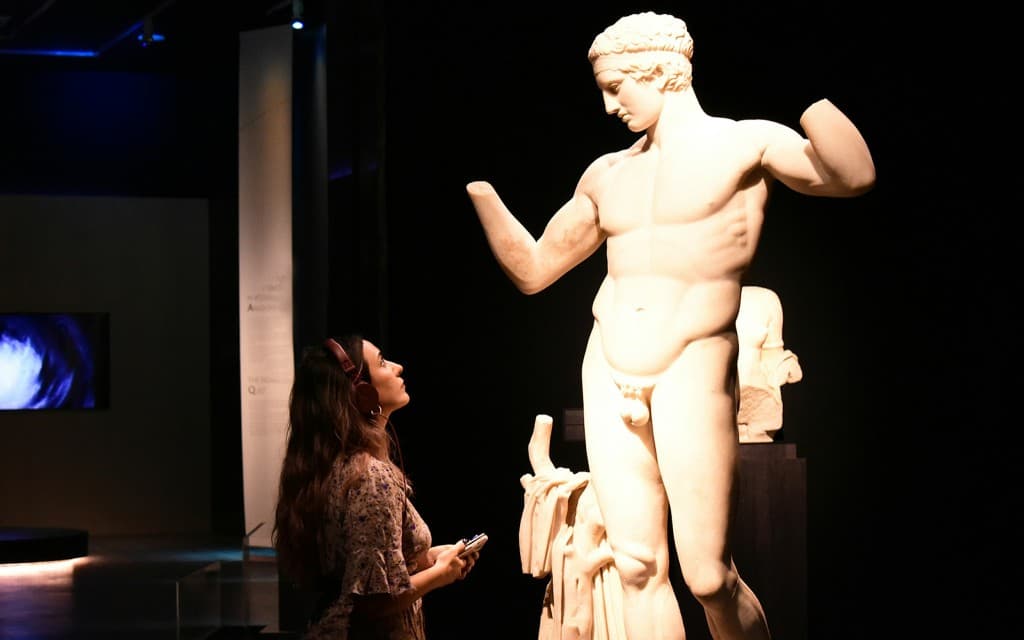
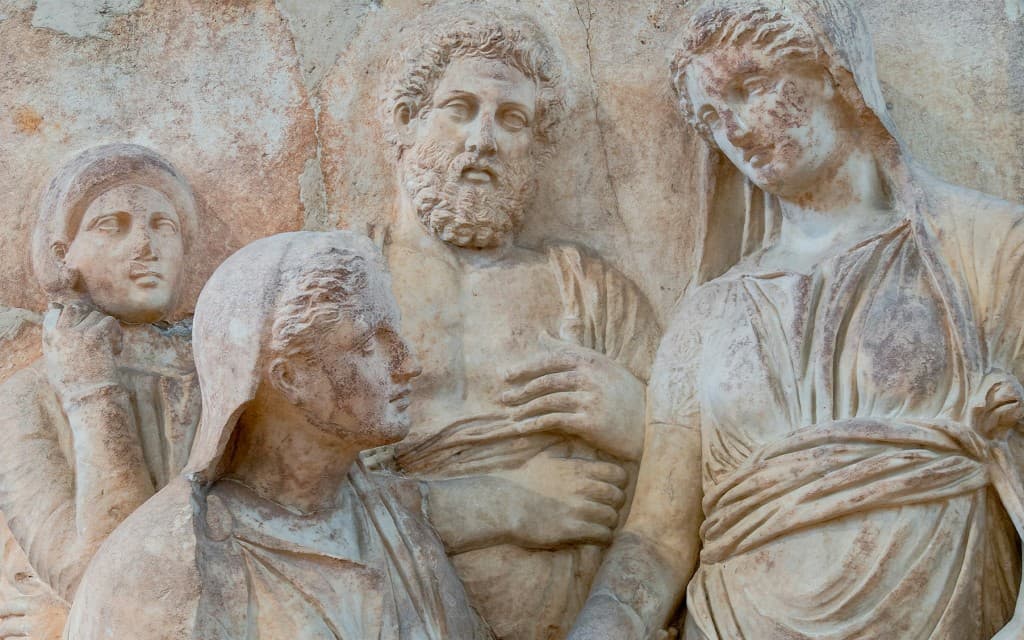
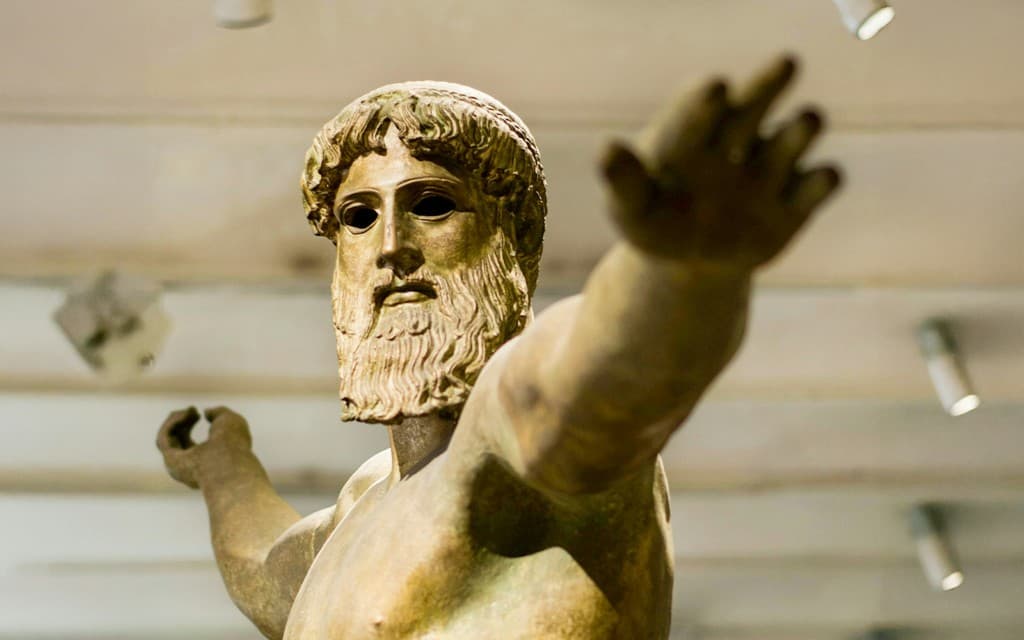

Capture the grandeur of Greek art and architecture with our curated photo spots inside the museum, showcasing masterpieces and iconic exhibits.
The National Archaeological Museum of Athens stands as a testament to Greece's rich cultural heritage. Housing one of the world's most significant collections of ancient artifacts, it offers an unparalleled journey through history. Whether you're an avid history buff or a curious traveler, exploring its exhibits provides a deep dive into Greece's artistic and historical legacy. Walking through the museum is like stepping back in time. The intricate sculptures, ancient jewelry, and pottery tell stories of civilizations long past. Its elegant architecture and carefully curated displays make for an immersive and inspiring experience that stays with visitors long after they leave.
Comfortable clothing and shoes are recommended for exploring the museum. No strict dress code, but modest attire is appreciated, especially if combining a visit with religious sites or formal occasions.
Your experience
With relics and artifacts covering various periods of Greek history, there is a lot to see at the National Archaeological Museum of Athens. Explore this gold mine of Greek history, art, and culture. You'll see a variety of collections here - the collection of Cycladic Antiquities, Egyptian Antiquities, the Stathatos Collection, and more.
Journey into the past with an audio guide
As you wander around looking at the mask of Agamemnon, the bronze statue of Zeus or Poseidon, and the Sphinx statue among others, your audio guide will narrate interesting stories and anecdotes associated with these relics. The combined audio and visuals will make for a powerful storytelling experience as you get a close look at the rich Greek past. You can download the app and the audio guide on your smartphone prior to your visit. Put on headphones for a more immersive experience. If you love stories from the times past, you can listen to this audio guide anytime you want, before and even after your visit.
What's Included
What's Excluded
Know Before You Go
What to bring
- Bring your headphones.
Accessibility
-
This attraction is wheelchair accessible.
-
Guide dogs are allowed into the attraction.
Additional information
-
This ticket includes all parts of the attraction.
-
Photography is allowed (no flash and tripod).
-
WiFi and cloakroom facilities are available at the attraction.
-
The audio guide is available on Android and iOS.
-
Download the ticket and audio tour while on WIFI before your visit as your, mobile signal may be weak at the site.
-
After booking, check your email (including spam) for instructions on how to access and download your audio tour. Make sure your smartphone is fully charged.
-
Expect possible long queues at the entrance, so you may need to wait.
Instructions
What to Expect
About National Archaeological Museum Athens Tickets, Tours & Visitor Information
The National Archaeological Museum Athens is Greece's largest archaeological museum and home to an extensive collection of ancient artifacts, dating from prehistory to late antiquity. It was established in the 19th century to house and display the treasures uncovered from various archaeological sites across Greece. The museum's architecture combines neoclassical elements with modern touches, creating a grand yet welcoming space. The museum's exhibits are organized into thematic sections, including sculptures, everyday objects, jewelry, and pottery. Highlights include the Mask of Agamemnon, the Antikythera Mechanism, and numerous ancient statues that showcase Greek artistry and craftsmanship. Each gallery allows visitors to explore different aspects of Greek life, mythology, and history, providing both educational and aesthetic insights. The museum also hosts temporary exhibitions and educational programs, making every visit unique.
Highlights
Why Book Online?
Booking your tickets online guarantees priority access, helping you skip long lines and plan your visit with ease. You can also compare different tour options and secure the best deals, ensuring a smooth and enjoyable experience at Greece's premier archaeological museum.
History
Founded in the late 19th century, the National Archaeological Museum of Athens was established to preserve and showcase Greece’s invaluable archaeological heritage. The initial collection grew rapidly as excavations across Greece unearthed significant treasures, including statues, jewelry, and pottery. Over the decades, the museum evolved and expanded its premises, becoming a central institution for archaeological research and public education in Greece. The building itself was designed to reflect classical architectural principles, with grand columns and expansive galleries that enhance the display of archaeological finds. Notable discoveries housed here include the Mask of Agamemnon, discovered in Mycenae, and the Antikythera Mechanism, an ancient astronomical device. The museum continues to be a vital link to Greece’s ancient past, inspiring countless visitors with its rich collection and historical significance.
Opening Hours
The museum generally operates from Monday to Sunday, with opening hours from 8:30 AM to 8:00 PM. Closed on public holidays. It is advisable to check specific times during holidays or special events as hours may vary.
Best Time to Visit
Visit during spring (April to June) or fall (September to November) for comfortable weather and fewer crowds, allowing for a more relaxed exploration of the exhibits.
What to See Inside
Inside the museum, you'll find an array of galleries displaying Greek sculptures, ceramics, jewelry, and everyday objects from different historical periods. Key sections include ancient Greece’s artistic and cultural highlights, such as statues, friezes, and funerary art. Special highlights are the Mask of Agamemnon and the Antikythera Mechanism, a complex ancient computer. Interactive exhibits provide insights into Greek mythology and ancient innovations, making it an engaging experience for visitors of all ages.
Things to Know
Plan your visit in advance, especially if you're visiting during peak seasons. Photography may be restricted in certain areas. It's advisable to wear comfortable shoes due to the size of the museum and the amount of walking involved. Temporary exhibitions and events may require separate tickets or reservations.
Visitor Rules
Maintain silence or speak softly to preserve the quiet environment. Do not touch exhibits unless explicitly allowed. Food and drinks are not permitted inside the galleries. Flash photography is generally prohibited to protect delicate artifacts. Keep your belongings in lockers or designated areas.
Is It Worth Visiting?
The National Archaeological Museum Athens is a must-see for history lovers and cultural enthusiasts. Its impressive collection offers a deep understanding of Greek civilization, artistry, and innovation. Visiting provides a unique opportunity to connect with Greece’s ancient roots and witness some of the world's most treasured artifacts in a beautifully curated space.
Frequently Asked Questions
Typically, 2 to 3 hours are enough to explore the main exhibits comfortably.
Yes, guided tours and audio guides are available and can be booked in advance.
Absolutely, children can enjoy the interactive exhibits and discover Greek history in an engaging way.
Yes, the museum is equipped to accommodate visitors with disabilities, including ramps and accessible facilities.
Photography is allowed in most areas, but flash photography and tripods are generally prohibited.
Yes, there is a gift shop offering souvenirs, books, and replicas of artifacts.
Ticket prices vary; discounts are available for students, seniors, and children. Check in advance for specific rates.
How to Get There
The museum is accessible by Athens metro, bus, and on foot from central locations. Use the Metaxourgeio or Monastiraki stations for convenient access when using public transportation.
Reviews (1)
Comfortable clothing and shoes are recommended for exploring the museum. No strict dress code, but modest attire is appreciated, especially if combining a visit with religious sites or formal occasions.