Acropolis & Parthenon Guided Tours with Entry Tickets (Acropolis Parthenon Spanish-Guided Tour)
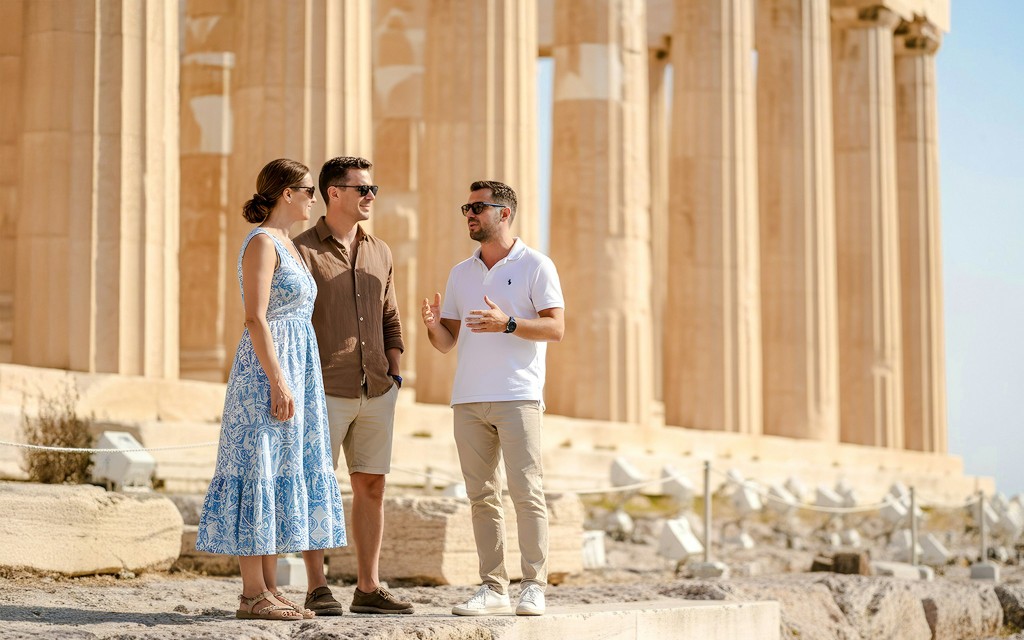

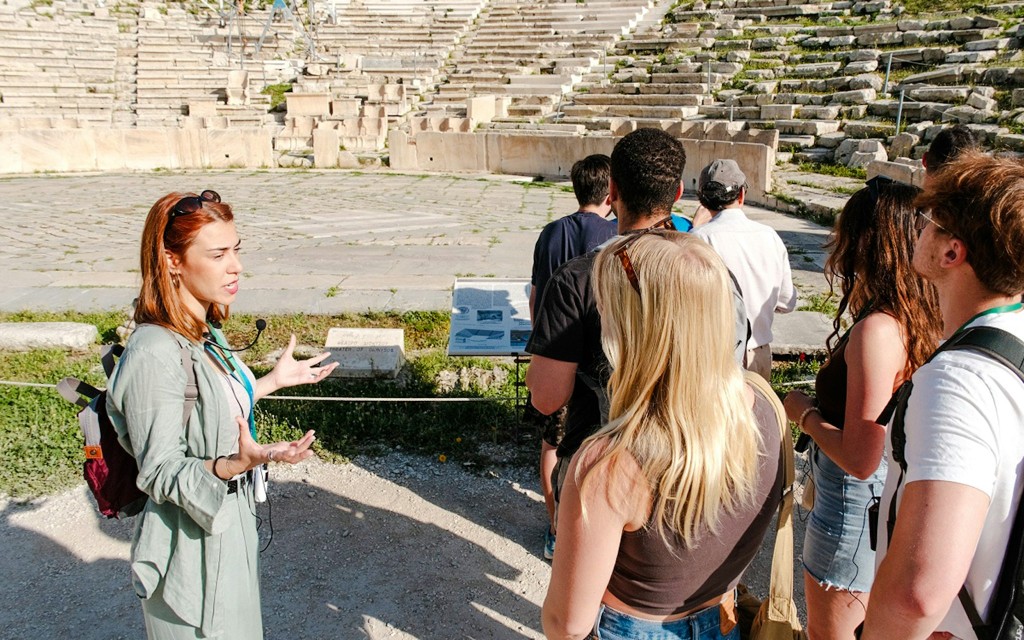
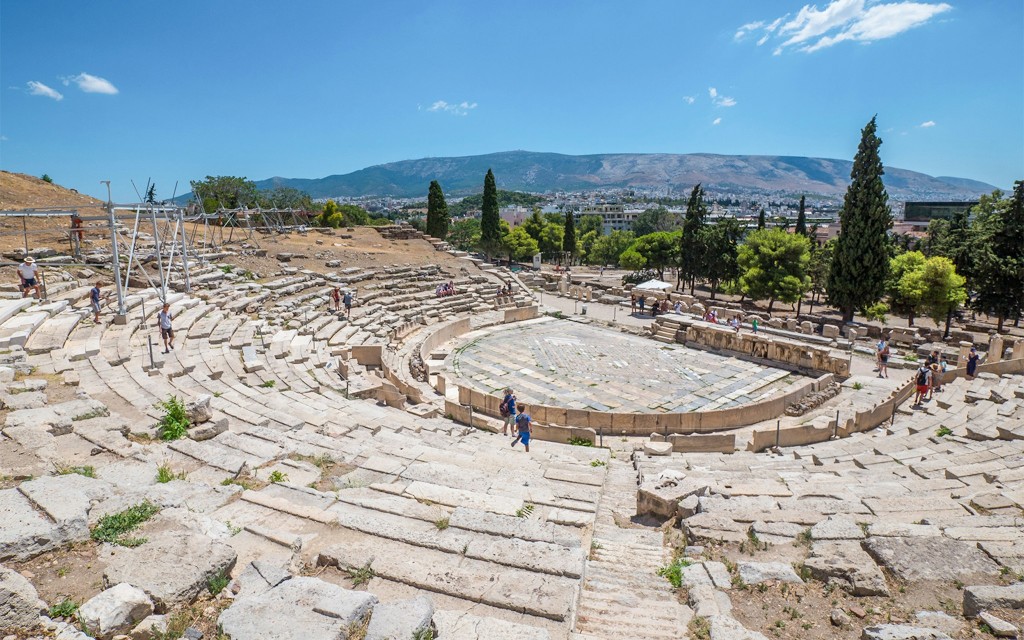


Capture the majesty of the Acropolis with photos of its legendary temples, panoramic city views, and intricate sculptures, creating memories that last a lifetime.
The Acropolis in Athens stands as a timeless symbol of ancient Greece, offering visitors a glimpse into history's grandeur. This iconic archaeological site draws millions of travelers eager to explore its rich heritage and remarkable architecture. Walking through the Acropolis is an immersive journey into classical civilization, where every stone tells a story. Experience panoramic views of Athens from its ancient heights and marvel at historic structures like the Parthenon, Erechtheion, and the Temple of Athena Nike. Whether you're a history enthusiast or a curious traveler, visiting the Acropolis promises an unforgettable adventure amidst majestic ruins.
Dress comfortably and appropriately for warm weather; consider hat, sunglasses, and sunscreen in summer. Modest attire is recommended, especially when visiting religious sites inside the Acropolis.
Your experience
Here’s how you’ll spend your day exploring Athens' most iconic landmarks, the Acropolis, Theater of Dionysus, and Ancient Agora, with an expert guide, immersing yourself in 2500 years of history and culture.
Getting started
Your adventure begins when you meet your guide at the designated spot near the Acropolis. Once your group gathers, your guide gives a brief overview and leads you to explore one of the world’s most significant historical sites.
What to expect
The Acropolis
The Acropolis is a UNESCO World Heritage site, home to the Parthenon, an ancient citadel that was once the heart of Athenian life and remains a powerful symbol of classical Greek culture and democracy. Your guide brings the Acropolis to life, sharing captivating stories about the Parthenon’s role in ancient Greek democracy, the myth of Athena and Poseidon’s rivalry, and the architectural genius behind the Temple of Athena Nike.
Explore landmarks like the Erechtheion, famous for its Caryatid columns, and pass through the grand Propylaea gateway with sweeping views of Athens. Visit the Theater of Dionysus, where ancient dramas were performed, and the Odeon of Herodes Atticus, a beautifully preserved amphitheater still used for performances today.
Acropolis Museum
Explore the Acropolis Museum, home to a remarkable collection of artifacts from the Parthenon and other ancient structures. Check out the Parthenon Marbles and see the restored Frieze of the Parthenon, which vividly depicts Athenian life and traditions.
Ancient Agora
Depending on the tour you choose, after visiting the Acropolis, your guide will take you to the Ancient Agora, once the vibrant heart of ancient Athens’ political, social, and commercial life. As you explore the Agora, your guide will bring the bustling marketplace to life, pointing out where Socrates and other famous philosophers once debated and where citizens gathered to discuss politics and daily affairs.
Just a short walk from the ruins, step into the Stoa of Attalos, a reconstructed building that now houses the Museum of the Ancient Agora. Inside, your guide will highlight key artifacts—statues, inscriptions, and everyday objects—that offer a glimpse into ancient Athenian life. The tour also includes a visit to the Temple of Hephaestus, one of the best-preserved ancient Greek temples, dedicated to the god of craftsmanship and metalworking.
Temple of Poseidon
Depending on the tour you choose, you can visit the Temple of Poseidon at Cape Sounion with a guide by your side. Walk among its 2,400-year-old marble columns, learn about its role in Greek mythology and naval history, and soak in the stunning sunset Aegean views!
Old Town
On private tours, your guide will take you through Athens’ charming Old Town and share stories about the city’s evolution, pointing out local tavernas, artisanal boutiques, and hidden gems.
What's Included
What's Excluded
Know Before You Go
What to bring
-
Have your passport, ID, and student ID ready for a seamless experience.
-
Wear comfortable shoes, as the sites have uneven terrain and involve a fair amount of walking.
-
Bring a hat, sunscreen, and a water bottle, especially during warmer months, as many areas have little shade.
What's not allowed
-
Large bags and luggage are not permitted at the sites due to security restrictions.
-
Pets are not allowed, except for service animals with the proper documentation.
-
Drones and tripods are not allowed at these archaeological sites.
-
Food and drinks, other than water, are not allowed inside museums and certain protected areas.
Accessibility
-
The Acropolis has limited accessibility for visitors with mobility challenges. While there is an elevator near the South Slope entrance, its operation is managed entirely by the venue and may not always be available. This tour does not use the elevator entrance, so guests who rely on elevator access may be unable to meet the group after entering. For this reason, elevator-dependent visitors are not recommended to join this tour.
-
The Acropolis Museum and Stoa of Attalos Museum are fully wheelchair accessible with ramps and elevators.
-
The Temple of Poseidon is not wheelchair accessible due to uneven terrain and stairs.
-
The Ancient Agora has partial accessibility, with a ramp at the north entrance and some manageable pathways.
-
Plaka (Old Town) is not fully wheelchair accessible, with cobbled streets and slopes, but some areas have step-free access.
Additional information
-
Note: The Acropolis Parthenon operates on a timed entry system, requiring visitors to book a date and time slot in advance. Arrive 30 minutes early for a hassle-free experience—you can enter up to 15 minutes before or after your chosen time slot.
-
The Acropolis offers free admission on select days, including March 6, April 18, May 18, the last weekend of September, October 28, and the first Sundays from November to March.
-
The Acropolis Museum also offers free admission on March 6 (Melina Mercouri Day), March 25 (National Holiday), May 18 (International Day of Museums), and October 28 (National Holiday).
Concession eligibility
The Acropolis:
-
Children & young people: EU citizens up to 25 years old receive free admission with a valid ID or passport. Non-EU visitors aged 6 to 25 are eligible for reduced admission, while children under 5 years old, regardless of nationality, enter for free with valid identification.
-
Senior citizens: EU citizens 65 and over qualify for reduced admission with a valid ID.
-
Persons with disabilities: Free entry for visitors with 67% disability or higher and one escort, with a valid ID or disability certificate.
-
Greek citizens (special categories): Free or discounted entry for unemployed citizens with an ID and unemployment card, and for large families with a valid certificate. If a child has disabilities, a Disability Certificate is also required.
Acropolis Museum:
-
Children & young people: Free entry for EU citizens up to 18 years old with a valid ID. Non-EU visitors up to 18 years old are eligible for reduced admission.
-
Senior citizens: EU citizens 65 and over qualify for reduced admission with a valid ID.
-
Persons with disabilities: Free entry for visitors with a disability certificate, along with one escort if applicable.
Instructions
What to Expect
About Acropolis Tickets, Tours & Visitor Information
The Acropolis of Athens is an ancient citadel perched atop a rocky hill, representing the pinnacle of Greek architectural and artistic achievement. It served as a religious and cultural center for over a millennium, housing temples, altars, and monuments dedicated to the gods of Olympus. Today, the site is a UNESCO World Heritage Site, attracting millions who come to admire the surviving structures like the Parthenon, built in the 5th century BC, which epitomizes Doric architecture. The Acropolis Museum nearby showcases artifacts unearthed from the site, providing deeper insights into its history. Exploring the Acropolis involves navigating steep, uneven paths and stairs, offering an active yet rewarding experience. The site is well-preserved and meticulously restored, allowing visitors to appreciate ancient Greek craftsmanship and urban planning. Its strategic location and majestic views make it one of the most important and iconic landmarks in Greece, symbolizing democracy, culture, and artistic achievement.
Highlights
Why Book Online?
Booking tickets online for the Acropolis guarantees fast, skip-the-line access, allowing you to plan your visit without hassle. Securing your entry in advance ensures guaranteed admission on busy days and helps you make the most of your sightseeing time. Comparing different ticket options online offers the best deals and additional guided tour packages, enhancing your experience and saving money.
History
The Acropolis’s history stretches back over 2,500 years, serving as a fortified citadel during the heights of Athens’ power. Constructed primarily in the 5th century BC, it became a symbol of Athenian democracy and artistic achievement. Over centuries, the site has witnessed various invasions, conversions, and restorations. It suffered damage during wars and from natural events but has been preserved and restored through ongoing archaeological efforts. Today, it stands as a testament to ancient Greek civilization, attracting millions eager to understand its historical significance and architectural brilliance.
Opening Hours
The Acropolis generally opens daily from early morning to late afternoon, with specific hours varying seasonally. It is advisable to arrive early to avoid crowds, especially during peak months. The site may close on public holidays or for maintenance, so check local schedules beforehand.
Best Time to Visit
Visit during spring (April to June) or fall (September to October) for ideal weather and fewer visitors. Early mornings or late afternoons provide softer light for photography and a quieter experience.
What to See Inside
Inside the Acropolis, visitors can marvel at the architectural masterpieces such as the Parthenon, Erechtheion, and the Propylaea. The Parthenon, dedicated to Athena, features exquisite sculptures and a stunning design that exemplifies classical Greece. The Erechtheion is known for its unique asymmetric structure and Caryatids, the sculpted female figures serving as columns. The site also includes the Temple of Athena Nike and various smaller ruins and statues, each bearing historical significance. Nearby, the Acropolis Museum provides a detailed overview of the site's history, displaying artifacts and sculptures uncovered during excavations. The museum also offers interactive exhibits and panoramic views, complementing your visit to the ancient ruins.
Things to Know
Wear comfortable shoes suitable for walking and uneven surfaces. Bring water, especially during hot months. Photography is generally permitted, but flash may be restricted inside certain areas. Respect the site’s rules and avoid touching or climbing on the ruins to preserve its integrity.
Visitor Rules
No smoking, pets, or large bags are allowed inside. Please follow designated pathways and do not lean on or tamper with the structures. Maintain silence to respect other visitors and the historical importance of the site.
Is It Worth Visiting?
Visiting the Acropolis immerses you in the birthplace of Western civilization, offering breathtaking views and a palpable sense of history. Its iconic structures embody artistic and architectural excellence that have influenced cultures worldwide. A trip here enriches understanding of ancient Greece and leaves lasting memories of a glorious past.
Frequently Asked Questions
Most visitors spend about 2 to 3 hours exploring the site and the museum.
Limited facilities are available; contact in advance for accessibility options.
Tickets can be purchased both online for convenience and at the entrance on the day of your visit.
Yes, guided tours are available and can be booked in advance for a more enriching experience.
Spring and fall offer the most pleasant weather and fewer crowds.
Measures are in place for visitor safety; check with local authorities for current guidelines.
Photography is generally permitted without flash, but avoid using tripods or professional equipment without permission.
How to Get There
Accessible via Athens metro, disembark at the Acropoli station, followed by a short walk uphill. Alternatively, numerous buses and taxis service the area, with walking routes leading directly to the entrance.
Reviews (3)
Dress comfortably and appropriately for warm weather; consider hat, sunglasses, and sunscreen in summer. Modest attire is recommended, especially when visiting religious sites inside the Acropolis.